BitcoinWorld Crucial Update: Binance to Delist 8 Spot Trading Pairs – What Traders Must Know Attention all crypto traders: Binance, the world’s largest cryptocurrency exchange, has just dropped important news. The platform will delist eight specific spot trading pairs from its marketplace. This move directly impacts portfolios holding CHR, ENJ, HAEDAL, LISTA, POWR, PROVE, UMA, or ZRX against major pairs like BTC, BNB, or FDUSD. If you’re active in these […] This post Crucial Update: Binance to Delist 8 Spot Trading Pairs – What Traders Must Know first appeared on BitcoinWorld.BitcoinWorld Crucial Update: Binance to Delist 8 Spot Trading Pairs – What Traders Must Know Attention all crypto traders: Binance, the world’s largest cryptocurrency exchange, has just dropped important news. The platform will delist eight specific spot trading pairs from its marketplace. This move directly impacts portfolios holding CHR, ENJ, HAEDAL, LISTA, POWR, PROVE, UMA, or ZRX against major pairs like BTC, BNB, or FDUSD. If you’re active in these […] This post Crucial Update: Binance to Delist 8 Spot Trading Pairs – What Traders Must Know first appeared on BitcoinWorld.

Crucial Update: Binance to Delist 8 Spot Trading Pairs – What Traders Must Know
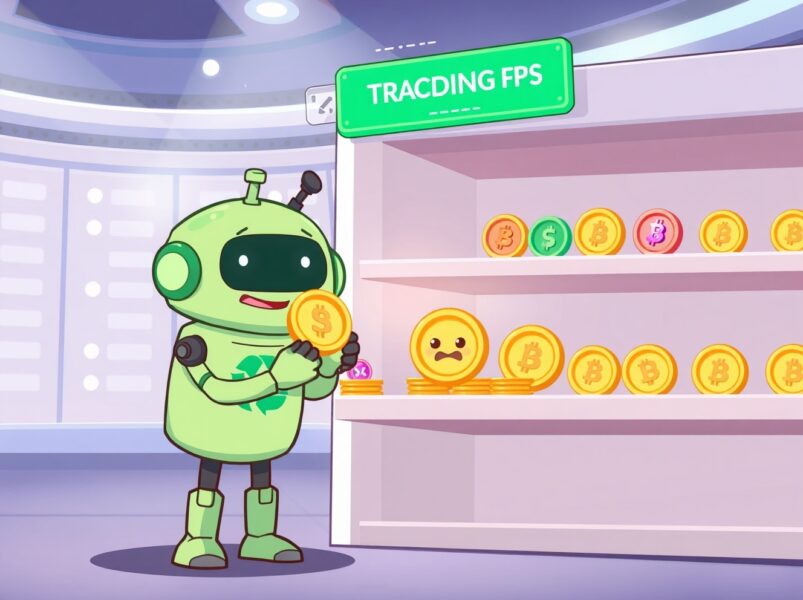
A cartoon robot delisting spot trading pairs from a digital crypto exchange shelf.

BitcoinWorld

Crucial Update: Binance to Delist 8 Spot Trading Pairs – What Traders Must Know

Attention all crypto traders: Binance, the world’s largest cryptocurrency exchange, has just dropped important news. The platform will delist eight specific spot trading pairs from its marketplace. This move directly impacts portfolios holding CHR, ENJ, HAEDAL, LISTA, POWR, PROVE, UMA, or ZRX against major pairs like BTC, BNB, or FDUSD. If you’re active in these markets, understanding the implications is not just helpful—it’s essential for protecting your assets.

Which Spot Trading Pairs Is Binance Delisting?

Binance has set a firm date for the removal. The delisting will take effect at 03:00 UTC on December 12. The specific spot trading pairs being removed are:

  • CHR/BTC
  • ENJ/BTC
  • HAEDAL/FDUSD
  • LISTA/BNB
  • POWR/BTC
  • PROVE/BNB
  • UMA/BTC
  • ZRX/BTC

It is crucial to note that this action only affects these specific trading pairs. The underlying tokens themselves (like CHR or ENJ) may still be available for trading against other currencies, such as USDT or on other exchanges. However, the removal of a BTC or BNB pairing is often a significant liquidity event.

Why Would Binance Delist Trading Pairs?

Exchanges like Binance regularly review all listed markets. The decision to delist spot trading pairs is not taken lightly. Typically, it follows a periodic review based on several critical factors. These include poor liquidity, low trading volume, or concerns about a project’s development activity and commitment. By removing underperforming pairs, Binance aims to maintain a healthy, efficient marketplace for its users and protect them from highly illiquid or volatile markets.

For traders, this is a reminder of the importance of due diligence. Investing in tokens with strong fundamentals, active development, and healthy exchange volume can help mitigate the risk of sudden delistings.

What Should You Do If You Hold These Assets?

First, don’t panic. A pair delisting does not mean your tokens vanish. However, you must take proactive steps before the deadline. Here is your actionable checklist:

  • Check Your Holdings: Immediately review your Binance spot wallet for any of the affected tokens in the delisted pairs.
  • Sell or Convert: Before December 12, you can sell these tokens for another cryptocurrency that you wish to hold. Alternatively, you can convert them into a different, stable trading pair that remains active.
  • Consider Withdrawal: If you believe in the long-term potential of the token, you can withdraw it to a private, self-custody wallet. From there, you could hold it or trade it on another supporting exchange.
  • Do Not Leave Orders Open: Cancel any open orders (like limit buys or sells) for these pairs, as they will be automatically removed by Binance at the time of delisting.

How Does This Affect the Broader Crypto Market?

While a single exchange delisting eight pairs is a routine market hygiene event, it sends a signal. It highlights the importance of liquidity and project vitality in the volatile crypto space. For the projects involved, losing a major trading pair on the world’s largest exchange can impact price and accessibility in the short term. Therefore, it often prompts community discussion and can lead to increased development transparency from the project teams.

For the ecosystem, such periodic reviews by major exchanges help maintain overall market integrity. They encourage projects to stay compliant, innovative, and engaged with their communities to retain their listing status.

Final Summary: Stay Informed and Proactive

In summary, Binance’s decision to delist these eight spot trading pairs is a standard operational procedure focused on market quality. The immediate impact is confined to traders actively using those specific markets on Binance. The key takeaway is to always stay informed about exchange announcements and manage your portfolio actively. By understanding the reasons behind such moves and knowing your options, you can navigate these events smoothly and keep your trading strategy on track.

Frequently Asked Questions (FAQs)

Q1: Does delisting a trading pair mean the token is being removed completely?
A: Not necessarily. Binance is only removing specific pairings (like CHR/BTC). The CHR token may still be tradable as CHR/USDT or on other exchanges. Always check the token’s other available markets.

Q2: What happens if I don’t do anything before the delisting date?
A: After delisting, you will no longer be able to trade that specific pair on Binance. Your tokens will remain in your spot wallet, but you will need to trade them via a different active pair or withdraw them to trade elsewhere.

Q3: Will this delisting cause the token price to crash?
A: It can create selling pressure as traders exit the delisted pair, potentially impacting the price. However, the long-term price depends more on the project’s fundamentals and its liquidity on other platforms.

Q4: Can a delisted trading pair be relisted in the future?
A: Yes, if the token project addresses the issues that led to the delisting (e.g., improves liquidity or development activity), Binance could potentially relist the pair after a future review.

Q5: Are other exchanges likely to follow Binance and delist these pairs?
A> While other exchanges make independent decisions, a delisting by a major player like Binance often prompts other platforms to review the token, though it doesn’t guarantee they will delist it.

Found this guide on the Binance delisting helpful? Navigating exchange updates is key to smart crypto trading. Help other traders stay informed by sharing this article on your social media channels like Twitter or Telegram.

To learn more about the latest cryptocurrency exchange trends, explore our article on key developments shaping crypto market liquidity and regulatory compliance.

This post Crucial Update: Binance to Delist 8 Spot Trading Pairs – What Traders Must Know first appeared on BitcoinWorld.

Market Opportunity
Movement Logo
Movement Price(MOVE)
$0.03193
$0.03193$0.03193
-2.44%
USD
Movement (MOVE) Live Price Chart
Disclaimer: The articles reposted on this site are sourced from public platforms and are provided for informational purposes only. They do not necessarily reflect the views of MEXC. All rights remain with the original authors. If you believe any content infringes on third-party rights, please contact [email protected] for removal. MEXC makes no guarantees regarding the accuracy, completeness, or timeliness of the content and is not responsible for any actions taken based on the information provided. The content does not constitute financial, legal, or other professional advice, nor should it be considered a recommendation or endorsement by MEXC.

You May Also Like

Urgent Analysis: Altcoins Oversold, Signaling a Potential Reversal

Urgent Analysis: Altcoins Oversold, Signaling a Potential Reversal

BitcoinWorld Urgent Analysis: Altcoins Oversold, Signaling a Potential Reversal Are you watching the cryptocurrency market closely, wondering about the next big move for your favorite digital assets? Many investors are feeling the pinch as altcoin prices have seen significant dips recently. However, a fascinating new analysis suggests a turning point might be on the horizon, especially for those holding or looking to acquire altcoins oversold in the current climate. What Does ‘Altcoins Oversold’ Really Mean? The term altcoins oversold refers to a technical analysis condition where the price of an asset has fallen significantly, often below its intrinsic value or recent trading range. This typically indicates that selling pressure has been exhaustive, and a reversal or bounce in price could be imminent. It’s a key indicator many traders look for. According to Negentropic, the X account of Glassnode co-founders Yann Happel and Jan Allemann, altcoins have indeed entered an oversold phase. Their analysis points to an unwinding of excessive leverage in the market, which has contributed to the recent price declines. Think of it as the market shedding its extra weight, preparing for a healthier ascent. Excessive Leverage Unwinds: High leverage can amplify both gains and losses. When prices drop, leveraged positions get liquidated, leading to further selling pressure. This unwinding is often a precursor to market stabilization. Price Correction: This period often follows a rapid run-up, bringing prices back to more sustainable levels. Why Are Altcoins in an Accumulation Zone? Following an oversold phase, assets often enter what analysts call an “accumulation zone.” This is a period where savvy investors and institutions begin to buy up assets, anticipating a future price increase. It’s like collecting valuable items at a discount before their true worth is recognized by the broader market. Negentropic’s insights suggest that many altcoins oversold are now sitting in this crucial accumulation zone. Historically, such periods of consolidation precede an uptrend. It’s not an instant rebound, but rather a gradual build-up of buying interest and demand. This phase is characterized by: Reduced Volatility: Prices tend to stabilize, moving sideways rather than experiencing sharp drops. Increased Buying Interest: Long-term holders and institutional players see these lower prices as attractive entry points. Foundation Building: A strong base is formed, which can support future price growth. Understanding this cycle is vital for anyone looking to make informed decisions in the volatile crypto space. It requires patience and a strategic approach, rather than reacting to short-term market noise. Navigating the Market: Opportunities and Risks for Altcoins While the notion of altcoins oversold entering an accumulation zone sounds promising, it’s crucial to approach the market with a balanced perspective. This period presents both significant opportunities and inherent risks that investors must consider. Potential Opportunities: Bargain Prices: For long-term investors, buying quality altcoins at depressed prices can lead to substantial returns if the anticipated uptrend materializes. Diversification: This could be an opportune time to diversify your portfolio with promising projects that have been unfairly punished by broader market sentiment. Future Growth: Many innovative altcoin projects continue to build and develop, irrespective of short-term price movements. An accumulation phase allows investors to position themselves for their long-term success. Inherent Risks: Further Downside: While oversold, there’s no guarantee prices won’t drop further. Market sentiment can shift unexpectedly, and external factors can impact crypto values. Prolonged Consolidation: The “period of consolidation” mentioned by Negentropic could be longer than anticipated, testing investors’ patience. Project Viability: Not all altcoins will recover. It’s essential to conduct thorough research into the fundamentals of each project you consider. To mitigate risks, consider strategies like Dollar-Cost Averaging (DCA), where you invest a fixed amount regularly, regardless of price. This can smooth out your average purchase price over time. Always remember to do your own research (DYOR) and never invest more than you can afford to lose. What’s Next for the Altcoin Market? The analysis by Negentropic suggests that after this period of consolidation, we can expect altcoins to begin an uptrend. This doesn’t mean a straight shot upwards; markets move in waves. However, the foundational work of deleveraging and accumulation sets the stage for potential positive price action. It’s a time for strategic thinking rather than impulsive trading. Keep an eye on on-chain data, market sentiment, and macroeconomic factors. The crypto market is dynamic, and while technical indicators provide valuable insights, they are just one piece of the puzzle. In conclusion, the current state of altcoins oversold presents a compelling narrative for those willing to look beyond the immediate price charts. The insights from Glassnode co-founders highlight a potential shift from capitulation to cautious optimism, paving the way for future growth. Patience, research, and a clear strategy will be your best allies in navigating this exciting phase of the market. Frequently Asked Questions (FAQs) Q1: What does “oversold” mean in cryptocurrency trading? A1: “Oversold” is a technical indicator suggesting that an asset’s price has fallen significantly, often implying that selling pressure is exhausted and a price reversal or bounce may be near. It doesn’t guarantee a bounce but signals a potential shift. Q2: How is “excessive leverage unwinding” related to altcoins being oversold? A2: Excessive leverage unwinding means that many traders who used borrowed funds to amplify their positions are being forced to sell as prices drop, leading to liquidations. This intensifies selling pressure, driving prices down further, often into oversold territory. Once this unwinding is complete, the market can stabilize. Q3: What is an “accumulation zone” and why is it important for altcoins? A3: An “accumulation zone” is a period after an asset has been oversold, where smart money and long-term investors begin buying, anticipating future price appreciation. It’s important for altcoins because it suggests a potential bottoming process and the building of a strong foundation before a new uptrend begins. Q4: How long does the consolidation period typically last after altcoins are oversold? A4: The duration of a consolidation period can vary widely, from weeks to several months, depending on market sentiment, macroeconomic conditions, and specific altcoin fundamentals. There’s no fixed timeline, and patience is key during this phase. Q5: What should investors do when altcoins are in an accumulation zone? A5: Investors might consider strategies like Dollar-Cost Averaging (DCA) to buy gradually, conduct thorough research (DYOR) on specific projects, and maintain a long-term perspective. It’s also wise to manage risk by not over-allocating to any single asset and only investing what you can afford to lose. If you found this analysis helpful, consider sharing it with your fellow crypto enthusiasts! Your insights could help others navigate these crucial market phases. Spread the knowledge and empower your community! To learn more about the latest altcoin market trends, explore our article on key developments shaping altcoins price action. This post Urgent Analysis: Altcoins Oversold, Signaling a Potential Reversal first appeared on BitcoinWorld.
Share
Coinstats2025/09/27 07:40
Wall Street Bets on XRP: Adoption-Driven Peak by 2026

Wall Street Bets on XRP: Adoption-Driven Peak by 2026

The post Wall Street Bets on XRP: Adoption-Driven Peak by 2026 appeared on BitcoinEthereumNews.com. XRP as Wall Street’s Financial Rails: Canary Capital CEO Sees
Share
BitcoinEthereumNews2025/12/23 15:58
Saab receives ground combat orders from Lithuania

Saab receives ground combat orders from Lithuania

STOCKHOLM, Dec. 23, 2025 /PRNewswire/ — Saab has received orders from Lithuania for the AT4 weapon as well as ammunition for the Carl-Gustaf weapon with a combined
Share
AI Journal2025/12/23 16:30