Federal Reserve Governor Bessent Urges Cautious ‘Wait and See’ Stance on Rate Cuts
BitcoinWorld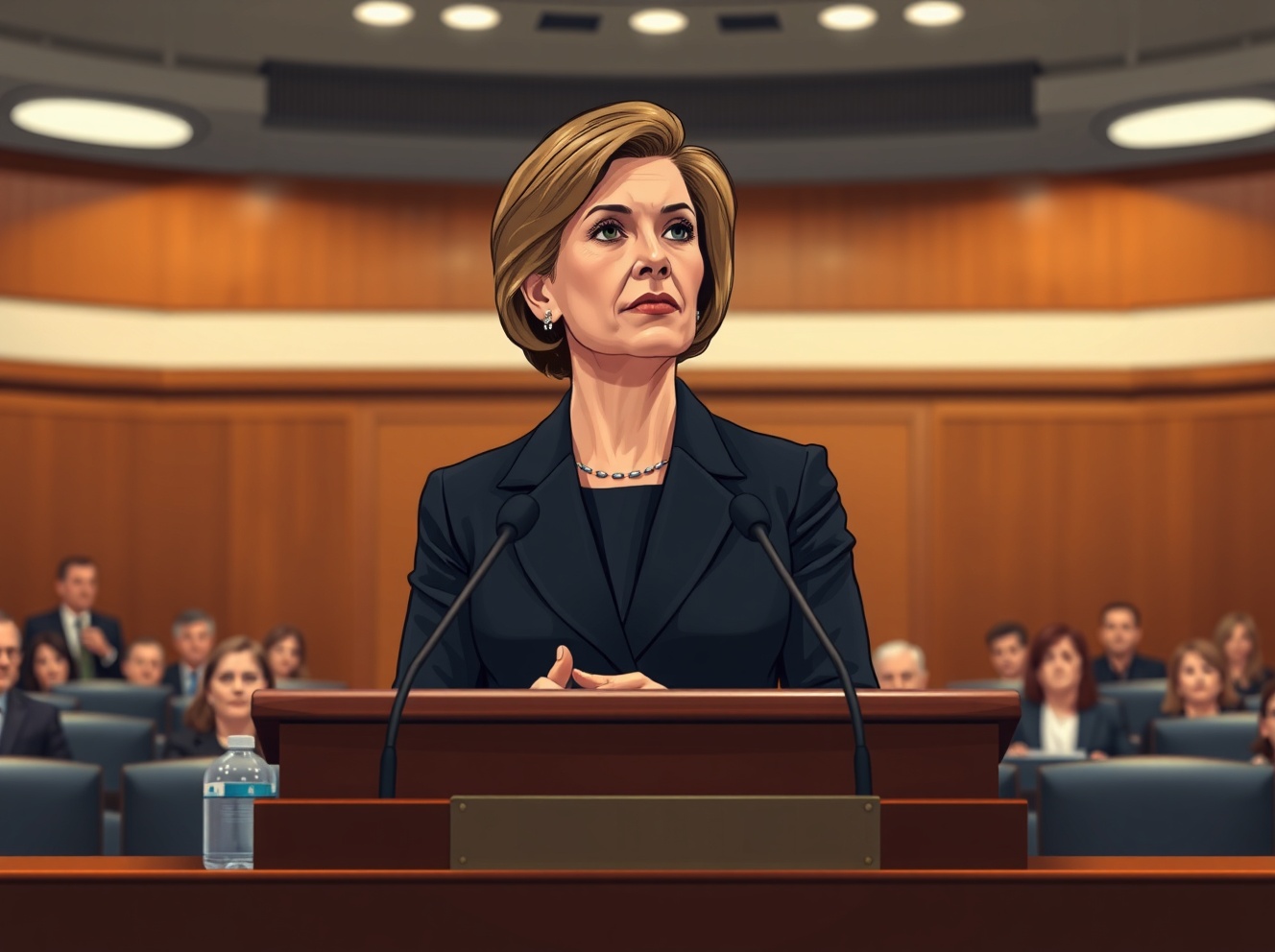
Federal Reserve Governor Bessent Urges Cautious ‘Wait and See’ Stance on Rate Cuts
WASHINGTON, D.C. – March 15, 2025 – Federal Reserve Governor Elaine Bessent today articulated a position of deliberate patience, suggesting the central bank should adopt a “wait and see” stance before initiating any reductions to the benchmark interest rate. This cautious approach arrives amidst a complex economic landscape marked by stubborn core inflation readings and a surprisingly resilient labor market. Consequently, financial markets are now recalibrating their expectations for the timing and pace of monetary policy easing in the coming months.
Bessent’s ‘Wait and See’ Rationale on Federal Reserve Policy
Governor Bessent’s comments, delivered during a keynote address at the National Association for Business Economics conference, emphasized data dependency. She highlighted several key metrics requiring further observation. Specifically, she pointed to services sector inflation and wage growth trends. These components have proven more persistent than goods inflation in the recent economic cycle.
“The last mile of inflation containment often presents the greatest challenge,” Bessent stated. “While we have seen substantial progress from peak levels, current data does not yet provide the consistent, broad-based evidence needed to confidently declare victory. Therefore, a patient, wait-and-see posture allows us to accumulate more information.” This perspective underscores a central debate within the Federal Open Market Committee (FOMC) regarding the appropriate threshold for policy adjustment.
Analyzing the Current Economic Data Landscape
The call for patience stems directly from recent economic reports. For instance, the latest Consumer Price Index (CPI) and Personal Consumption Expenditures (PCE) price index readings have shown only gradual moderation. Core PCE, the Fed’s preferred inflation gauge, remains above the central bank’s longstanding 2% target. Simultaneously, unemployment claims continue to hover near historic lows, indicating ongoing tightness in the job market.
The Inflation vs. Employment Trade-Off
This creates a classic policy dilemma for the Federal Reserve. Aggressive rate cuts could reignite demand and inflationary pressures. Conversely, maintaining rates too high for too long risks unnecessarily slowing economic growth and increasing unemployment. Bessent’s “wait and see” framework aims to navigate this narrow path. It seeks more conclusive evidence that inflation is sustainably returning to target without a sharp deterioration in labor conditions.
The following table contrasts key data points influencing the current policy debate:
| Metric | Current Reading | Pre-Pandemic Average | Implication for Policy |
|---|---|---|---|
| Core PCE Inflation | 2.8% | ~1.8% | Supports a higher-for-longer stance |
| Unemployment Rate | 3.9% | ~3.7% | Indicates a still-strong labor market |
| Job Openings per Unemployed Worker | 1.3 | ~1.2 | Suggests continued wage pressure potential |
| 3-Month Annualized Core CPI | 3.2% | N/A | Shows progress but not yet at target |
Historical Context of Fed ‘Wait and See’ Approaches
This is not the first instance of the Federal Reserve employing a patient, data-driven strategy. Historically, such periods often follow aggressive tightening cycles. For example, the mid-1990s under Chairman Alan Greenspan featured a prolonged pause. The Fed assessed the impact of prior hikes on the economy before making further moves. Similarly, after the 2015 liftoff from zero rates, the committee proceeded slowly with only one increase in 2016.
Bessent’s argument aligns with this historical precedent of risk management. The potential cost of cutting rates prematurely, only to reverse course, could severely damage the Fed’s credibility. It might also destabilize financial markets. Therefore, gathering more data reduces the probability of a policy error. This careful approach prioritizes long-term price stability over short-term market expectations.
Market Reactions and Future Projections
Financial markets immediately adjusted their forecasts following Governor Bessent’s remarks. Futures pricing for a June rate cut diminished significantly. Meanwhile, Treasury yields across the curve edged higher. The U.S. dollar also strengthened against a basket of major currencies. These movements reflect a recalibration toward a later and potentially shallower easing cycle.
Expert Analysis on the Path Forward
Several prominent economists have weighed in on the “wait and see” doctrine. Many see it as the prudent course given current uncertainties. “Governor Bessent is correctly focusing on the totality of the data,” noted Dr. Anika Chen, Chief Economist at the Brookings Institution. “The labor market has not cracked, and inflation, while cooling, is not yet in the bag. The risks of easing too soon currently outweigh the risks of waiting another quarter or two.” This expert consensus reinforces the view that the Fed’s next move will be highly contingent on incoming economic reports over the spring.
Key reports to watch in the coming months include:
- Monthly Employment Situation Reports: For signs of labor market softening.
- CPI and PCE Releases: For confirmation of disinflationary trends, especially in services.
- Productivity and Unit Labor Cost To gauge underlying wage pressures.
- Consumer and Business Sentiment Surveys: To assess demand-side resilience.
Conclusion
Federal Reserve Governor Elaine Bessent’s advocacy for a “wait and see” approach before cutting interest rates highlights the central bank’s current cautious and data-reliant posture. With inflation not yet definitively conquered and the labor market holding firm, the rationale for patience is clear. Ultimately, the Federal Reserve’s upcoming decisions will hinge on a sequential analysis of economic indicators, prioritizing sustainable price stability over market-imposed timelines. This methodical stance aims to secure a long-term economic expansion without a resurgence of inflationary pressures.
FAQs
Q1: What does a “wait and see” approach mean for the Federal Reserve?
It means the Fed will delay any decision to cut interest rates until it sees more conclusive economic data, particularly several more months of evidence showing inflation is moving sustainably toward its 2% target.
Q2: Why is Governor Bessent urging caution now?
Key inflation measures, especially in the services sector, remain elevated. Additionally, the labor market continues to show remarkable strength, which could sustain wage and price pressures if demand remains too high.
Q3: How do financial markets typically react to a “wait and see” Fed stance?
Markets often push out their expectations for rate cuts, leading to higher bond yields and a stronger U.S. dollar in the near term. Equity markets may experience volatility as investors adjust to a later timeline for monetary easing.
Q4: What economic data is the Fed most closely watching?
The Fed prioritizes the core Personal Consumption Expenditures (PCE) price index, wage growth data, and labor market metrics like the unemployment rate and job openings. They seek a consistent trend across these reports.
Q5: Could the Fed’s patience lead to a policy mistake?
Both acting too soon and waiting too long carry risks. The “wait and see” approach aims to balance these risks by minimizing the chance of cutting rates only to have inflation reaccelerate, which the Fed views as the greater threat to long-term economic stability.
This post Federal Reserve Governor Bessent Urges Cautious ‘Wait and See’ Stance on Rate Cuts first appeared on BitcoinWorld.


You May Also Like

JPMorgan CFO Flags Regulatory Arbitrage Risks From Stablecoins

Chainlink Whale Activity Rises While Price Bleeds for 7 Straight Months