Ripple is providing $1.3 million worth of its Ripple USD (RLUSD) stablecoin to support the launch of a new research initiative at UC Berkeley, aimed at advancing blockchain and digital twin technologies. Ripple Strengthens Partnership With UC Berkeley The new Berkeley Center of Digital Assets (CDA) will be located in UC Berkeley College of Engineering as a center of innovative research, education, and entrepreneurship in the digital asset ecosystem.  The contribution of Ripple is its University Blockchain Research Initiative (UBRI), which has been working with the Berkeley campus since 2018, but is providing funding to an on-campus research center for the first time. To demonstrate the potential of digital twins, Ripple uses the example of the 1,000-acre Kansas farm that can yield approximately 40,000 bushels of wheat. The company is proposing in the near term that such a farm might develop a digital twin of its wheat crop and use it to borrow or get credit at a financial institution, a research that may be extended at the Berkeley campus. UC Berkeley Engineering Launches CDA Initiative The new Berkeley Center of Digital Assets will support research in blockchain and digital twins, among others, according to a statement released by the College of Engineering at UC Berkeley on Wednesday. Tarek Zohdi, Associate Dean of Research at UC Berkeley Engineering and faculty director of the CDA, said that the center has an overarching mission to develop groundbreaking research, education, innovation and entrepreneurship within the wider digital asset technology context. Digital Twins Transform Agriculture Into Tokenized Assets The digital twins are more or less a virtual representation of the real-world assets. They are classified in the broader category of real-world asset (RWA) tokenization in the blockchain space. Studies in the CDA will examine the possibilities of representing, testing, valuing and eventually trading physical assets in the digital realm at the Berkeley campus. As the cryptocurrency and NFT industries already represent elements of the digital asset adoption, the CDA will make its activities focused on the tokenization of actual, physical goods. It encompasses not only agricultural goods such as wheat, but also semiconductors, vehicles, sophisticated machinery, planes, factories, farms and even forests -places where the Berkeley campus researchers intend to use blockchain. Also read: Ripple’s Tokenization Boom: $18.9 Trillion Opportunity for Blockchain Innovators UC Berkeley Expands Ripple Blockchain Collaboration Ripple Senior Director of University Partnerships Lauren Weymouth underscored a long history of collaboration between Ripple and UC Berkeley.  Being one of the pioneering institutions in the Ripple University Blockchain Research Initiative, the Berkeley campus has been one of the key contributors to the advancement of digital assets. The introduction of the Center of Digital Assets is an extension of that legacy, she said. As the CDA is created, Ripple and the Berkeley campus are establishing themselves as leaders in the field of using blockchain in applications well beyond the cryptocurrency sector, and expanding the digital economy to include real-life sectors. Also read: Beta Testing Ripple’s RLUSD Stablecoin Successfully Begins on Leading Blockchains Conclusion Based on the latest research Ripple is not only funding innovation but also shaping the future of real-world asset tokenization. Its donation of 1.3 million dollars to the Center of Digital Assets at UC Berkeley highlights a common interest in the development of blockchain, digital twins, and applications that go well beyond cryptocurrency. For more expert reviews and crypto insights, visit our dedicated platform for the latest news and predictions. Follow us on Twitter and LinkedIn, and join our Telegram channel to be instantly informed about breaking news! Summary Ripple has contributed 1.3 million in Ripple USD (RLUSD) to the College of Engineering at UC Berkeley to start the Berkeley Center of Digital Assets. The new hub is going to study blockchain and digital twin technologies, including real-world asset tokenization of wheat, semiconductors, and machinery. This project is a continuation of the partnership between Ripple and UC Berkeley, which began in 2018, and seeks to innovate, educate, and start entrepreneurship within the digital asset ecosystem. Glossary of Key Terms Ripple (XRP Labs):  Blockchain company for payments and crypto solutions. RLUSD:  Ripple’s USD-backed stablecoin. UC Berkeley:  Top California university, partner in blockchain research. CDA:  Berkeley Center for Digital Assets, a new blockchain hub. UBRI:  Ripple’s global blockchain research program for universities. Digital Twins:  Virtual models of real-world assets. RWA Tokenization:  Turning physical assets into digital tokens. Stablecoin:  Crypto tied to a stable asset like the USD. NFTs:  Unique digital tokens proving asset ownership. Frequently Asked Questions about Ripple & UC Berkeley CDA 1. What is Ripple funding at UC Berkeley? Ripple is donating $1.3M in RLUSD to launch the Center for Digital Assets (CDA). 2. What will the CDA focus on? The CDA will research blockchain, digital twins, and tokenization of real-world assets. 3. What are digital twins in this context? They are digital versions of physical assets, like farms, machines, or factories. 4. How long have Ripple and UC Berkeley collaborated? Their partnership dates back to 2018 under Ripple’s University Blockchain Research Initiative (UBRI). Read More: Ripple Donates $1.3M in RLUSD to Launch Digital Assets Center at UC Berkeley">Ripple Donates $1.3M in RLUSD to Launch Digital Assets Center at UC BerkeleyRipple is providing $1.3 million worth of its Ripple USD (RLUSD) stablecoin to support the launch of a new research initiative at UC Berkeley, aimed at advancing blockchain and digital twin technologies. Ripple Strengthens Partnership With UC Berkeley The new Berkeley Center of Digital Assets (CDA) will be located in UC Berkeley College of Engineering as a center of innovative research, education, and entrepreneurship in the digital asset ecosystem.  The contribution of Ripple is its University Blockchain Research Initiative (UBRI), which has been working with the Berkeley campus since 2018, but is providing funding to an on-campus research center for the first time. To demonstrate the potential of digital twins, Ripple uses the example of the 1,000-acre Kansas farm that can yield approximately 40,000 bushels of wheat. The company is proposing in the near term that such a farm might develop a digital twin of its wheat crop and use it to borrow or get credit at a financial institution, a research that may be extended at the Berkeley campus. UC Berkeley Engineering Launches CDA Initiative The new Berkeley Center of Digital Assets will support research in blockchain and digital twins, among others, according to a statement released by the College of Engineering at UC Berkeley on Wednesday. Tarek Zohdi, Associate Dean of Research at UC Berkeley Engineering and faculty director of the CDA, said that the center has an overarching mission to develop groundbreaking research, education, innovation and entrepreneurship within the wider digital asset technology context. Digital Twins Transform Agriculture Into Tokenized Assets The digital twins are more or less a virtual representation of the real-world assets. They are classified in the broader category of real-world asset (RWA) tokenization in the blockchain space. Studies in the CDA will examine the possibilities of representing, testing, valuing and eventually trading physical assets in the digital realm at the Berkeley campus. As the cryptocurrency and NFT industries already represent elements of the digital asset adoption, the CDA will make its activities focused on the tokenization of actual, physical goods. It encompasses not only agricultural goods such as wheat, but also semiconductors, vehicles, sophisticated machinery, planes, factories, farms and even forests -places where the Berkeley campus researchers intend to use blockchain. Also read: Ripple’s Tokenization Boom: $18.9 Trillion Opportunity for Blockchain Innovators UC Berkeley Expands Ripple Blockchain Collaboration Ripple Senior Director of University Partnerships Lauren Weymouth underscored a long history of collaboration between Ripple and UC Berkeley.  Being one of the pioneering institutions in the Ripple University Blockchain Research Initiative, the Berkeley campus has been one of the key contributors to the advancement of digital assets. The introduction of the Center of Digital Assets is an extension of that legacy, she said. As the CDA is created, Ripple and the Berkeley campus are establishing themselves as leaders in the field of using blockchain in applications well beyond the cryptocurrency sector, and expanding the digital economy to include real-life sectors. Also read: Beta Testing Ripple’s RLUSD Stablecoin Successfully Begins on Leading Blockchains Conclusion Based on the latest research Ripple is not only funding innovation but also shaping the future of real-world asset tokenization. Its donation of 1.3 million dollars to the Center of Digital Assets at UC Berkeley highlights a common interest in the development of blockchain, digital twins, and applications that go well beyond cryptocurrency. For more expert reviews and crypto insights, visit our dedicated platform for the latest news and predictions. Follow us on Twitter and LinkedIn, and join our Telegram channel to be instantly informed about breaking news! Summary Ripple has contributed 1.3 million in Ripple USD (RLUSD) to the College of Engineering at UC Berkeley to start the Berkeley Center of Digital Assets. The new hub is going to study blockchain and digital twin technologies, including real-world asset tokenization of wheat, semiconductors, and machinery. This project is a continuation of the partnership between Ripple and UC Berkeley, which began in 2018, and seeks to innovate, educate, and start entrepreneurship within the digital asset ecosystem. Glossary of Key Terms Ripple (XRP Labs):  Blockchain company for payments and crypto solutions. RLUSD:  Ripple’s USD-backed stablecoin. UC Berkeley:  Top California university, partner in blockchain research. CDA:  Berkeley Center for Digital Assets, a new blockchain hub. UBRI:  Ripple’s global blockchain research program for universities. Digital Twins:  Virtual models of real-world assets. RWA Tokenization:  Turning physical assets into digital tokens. Stablecoin:  Crypto tied to a stable asset like the USD. NFTs:  Unique digital tokens proving asset ownership. Frequently Asked Questions about Ripple & UC Berkeley CDA 1. What is Ripple funding at UC Berkeley? Ripple is donating $1.3M in RLUSD to launch the Center for Digital Assets (CDA). 2. What will the CDA focus on? The CDA will research blockchain, digital twins, and tokenization of real-world assets. 3. What are digital twins in this context? They are digital versions of physical assets, like farms, machines, or factories. 4. How long have Ripple and UC Berkeley collaborated? Their partnership dates back to 2018 under Ripple’s University Blockchain Research Initiative (UBRI). Read More: Ripple Donates $1.3M in RLUSD to Launch Digital Assets Center at UC Berkeley">Ripple Donates $1.3M in RLUSD to Launch Digital Assets Center at UC Berkeley
Ripple Donates $1.3M in RLUSD to Launch Digital Assets Center at UC Berkeley

2025/10/04 03:00
5 min read

Ripple is providing $1.3 million worth of its Ripple USD (RLUSD) stablecoin to support the launch of a new research initiative at UC Berkeley, aimed at advancing blockchain and digital twin technologies.

Ripple Strengthens Partnership With UC Berkeley

The new Berkeley Center of Digital Assets (CDA) will be located in UC Berkeley College of Engineering as a center of innovative research, education, and entrepreneurship in the digital asset ecosystem. 

The contribution of Ripple is its University Blockchain Research Initiative (UBRI), which has been working with the Berkeley campus since 2018, but is providing funding to an on-campus research center for the first time.

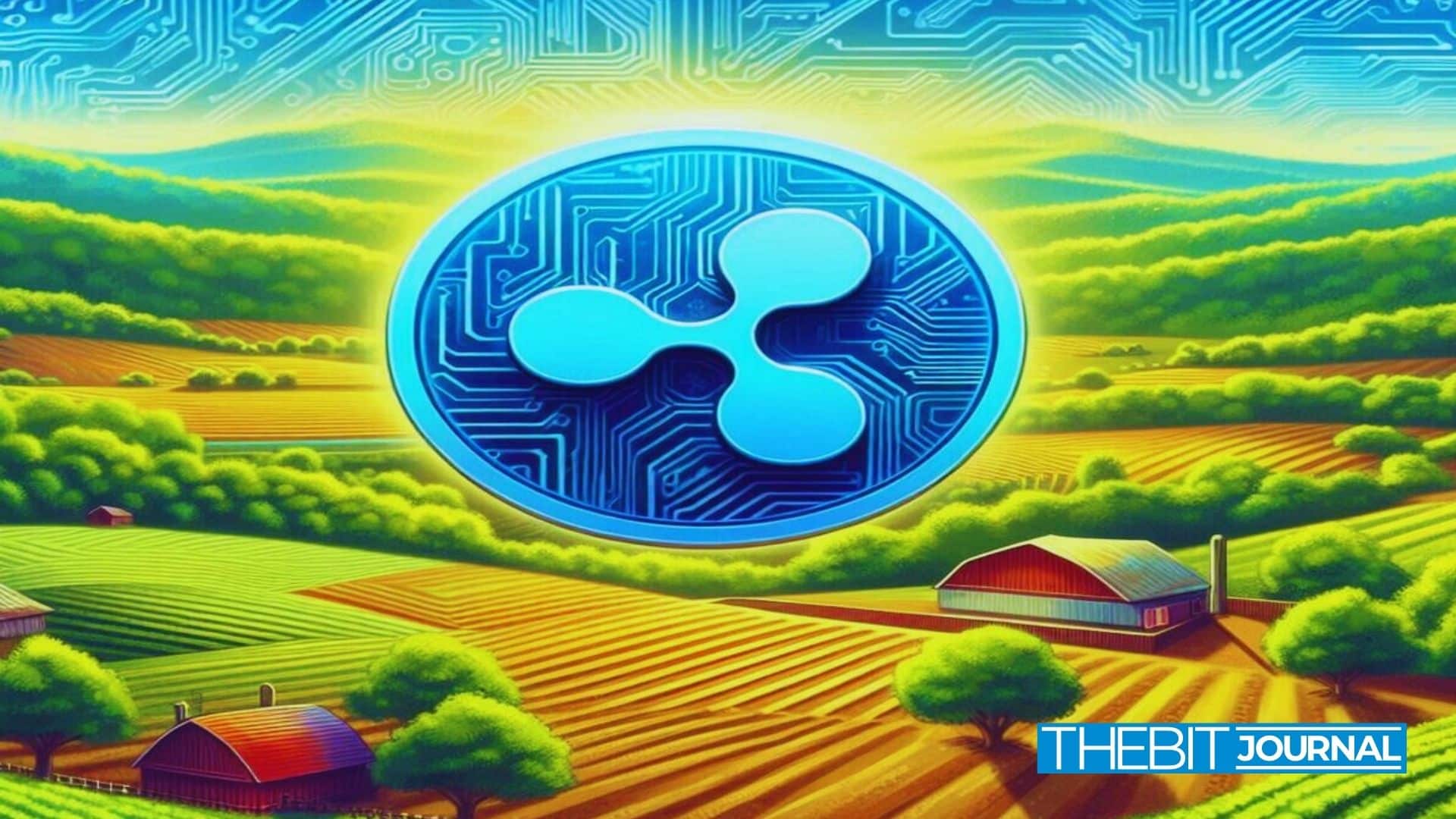
To demonstrate the potential of digital twins, Ripple uses the example of the 1,000-acre Kansas farm that can yield approximately 40,000 bushels of wheat. The company is proposing in the near term that such a farm might develop a digital twin of its wheat crop and use it to borrow or get credit at a financial institution, a research that may be extended at the Berkeley campus.

UC Berkeley Engineering Launches CDA Initiative

The new Berkeley Center of Digital Assets will support research in blockchain and digital twins, among others, according to a statement released by the College of Engineering at UC Berkeley on Wednesday.

Tarek Zohdi, Associate Dean of Research at UC Berkeley Engineering and faculty director of the CDA, said that the center has an overarching mission to develop groundbreaking research, education, innovation and entrepreneurship within the wider digital asset technology context.

Digital Twins Transform Agriculture Into Tokenized Assets

Digital Twins Transform Agriculture Into Tokenized Assets

The digital twins are more or less a virtual representation of the real-world assets. They are classified in the broader category of real-world asset (RWA) tokenization in the blockchain space. Studies in the CDA will examine the possibilities of representing, testing, valuing and eventually trading physical assets in the digital realm at the Berkeley campus.

As the cryptocurrency and NFT industries already represent elements of the digital asset adoption, the CDA will make its activities focused on the tokenization of actual, physical goods. It encompasses not only agricultural goods such as wheat, but also semiconductors, vehicles, sophisticated machinery, planes, factories, farms and even forests -places where the Berkeley campus researchers intend to use blockchain.

Also read: Ripple’s Tokenization Boom: $18.9 Trillion Opportunity for Blockchain Innovators

UC Berkeley Expands Ripple Blockchain Collaboration

Ripple Senior Director of University Partnerships Lauren Weymouth underscored a long history of collaboration between Ripple and UC Berkeley. 

Being one of the pioneering institutions in the Ripple University Blockchain Research Initiative, the Berkeley campus has been one of the key contributors to the advancement of digital assets. The introduction of the Center of Digital Assets is an extension of that legacy, she said.

As the CDA is created, Ripple and the Berkeley campus are establishing themselves as leaders in the field of using blockchain in applications well beyond the cryptocurrency sector, and expanding the digital economy to include real-life sectors.

Also read: Beta Testing Ripple’s RLUSD Stablecoin Successfully Begins on Leading Blockchains

Conclusion

Based on the latest research Ripple is not only funding innovation but also shaping the future of real-world asset tokenization. Its donation of 1.3 million dollars to the Center of Digital Assets at UC Berkeley highlights a common interest in the development of blockchain, digital twins, and applications that go well beyond cryptocurrency.

For more expert reviews and crypto insights, visit our dedicated platform for the latest news and predictions.

Follow us on Twitter and LinkedIn, and join our Telegram channel to be instantly informed about breaking news!

Summary

Ripple has contributed 1.3 million in Ripple USD (RLUSD) to the College of Engineering at UC Berkeley to start the Berkeley Center of Digital Assets. The new hub is going to study blockchain and digital twin technologies, including real-world asset tokenization of wheat, semiconductors, and machinery. This project is a continuation of the partnership between Ripple and UC Berkeley, which began in 2018, and seeks to innovate, educate, and start entrepreneurship within the digital asset ecosystem.

Glossary of Key Terms

Ripple (XRP Labs):  Blockchain company for payments and crypto solutions.

RLUSD:  Ripple’s USD-backed stablecoin.

UC Berkeley:  Top California university, partner in blockchain research.

CDA:  Berkeley Center for Digital Assets, a new blockchain hub.

UBRI:  Ripple’s global blockchain research program for universities.

Digital Twins:  Virtual models of real-world assets.

RWA Tokenization:  Turning physical assets into digital tokens.

Stablecoin:  Crypto tied to a stable asset like the USD.

NFTs:  Unique digital tokens proving asset ownership.

Frequently Asked Questions about Ripple & UC Berkeley CDA

1. What is Ripple funding at UC Berkeley?

Ripple is donating $1.3M in RLUSD to launch the Center for Digital Assets (CDA).

2. What will the CDA focus on?

The CDA will research blockchain, digital twins, and tokenization of real-world assets.

3. What are digital twins in this context?

They are digital versions of physical assets, like farms, machines, or factories.

4. How long have Ripple and UC Berkeley collaborated?

Their partnership dates back to 2018 under Ripple’s University Blockchain Research Initiative (UBRI).

Read More: Ripple Donates $1.3M in RLUSD to Launch Digital Assets Center at UC Berkeley">Ripple Donates $1.3M in RLUSD to Launch Digital Assets Center at UC Berkeley

Market Opportunity
Harvest Finance Logo
Harvest Finance Price(FARM)
$13,03
$13,03$13,03
+1,47%
USD
Harvest Finance (FARM) Live Price Chart
Disclaimer: The articles reposted on this site are sourced from public platforms and are provided for informational purposes only. They do not necessarily reflect the views of MEXC. All rights remain with the original authors. If you believe any content infringes on third-party rights, please contact [email protected] for removal. MEXC makes no guarantees regarding the accuracy, completeness, or timeliness of the content and is not responsible for any actions taken based on the information provided. The content does not constitute financial, legal, or other professional advice, nor should it be considered a recommendation or endorsement by MEXC.

You May Also Like

Canada Canadian Portfolio Investment in Foreign Securities rose from previous $9.04B to $17.41B in July

Canada Canadian Portfolio Investment in Foreign Securities rose from previous $9.04B to $17.41B in July

The post Canada Canadian Portfolio Investment in Foreign Securities rose from previous $9.04B to $17.41B in July appeared on BitcoinEthereumNews.com. Information on these pages contains forward-looking statements that involve risks and uncertainties. Markets and instruments profiled on this page are for informational purposes only and should not in any way come across as a recommendation to buy or sell in these assets. You should do your own thorough research before making any investment decisions. FXStreet does not in any way guarantee that this information is free from mistakes, errors, or material misstatements. It also does not guarantee that this information is of a timely nature. Investing in Open Markets involves a great deal of risk, including the loss of all or a portion of your investment, as well as emotional distress. All risks, losses and costs associated with investing, including total loss of principal, are your responsibility. The views and opinions expressed in this article are those of the authors and do not necessarily reflect the official policy or position of FXStreet nor its advertisers. The author will not be held responsible for information that is found at the end of links posted on this page. If not otherwise explicitly mentioned in the body of the article, at the time of writing, the author has no position in any stock mentioned in this article and no business relationship with any company mentioned. The author has not received compensation for writing this article, other than from FXStreet. FXStreet and the author do not provide personalized recommendations. The author makes no representations as to the accuracy, completeness, or suitability of this information. FXStreet and the author will not be liable for any errors, omissions or any losses, injuries or damages arising from this information and its display or use. Errors and omissions excepted. The author and FXStreet are not registered investment advisors and nothing in this article is intended…
Share
BitcoinEthereumNews2025/09/18 02:38
A 3821% surge in 20 years: Why are Pokémon cards valuable investments?

A 3821% surge in 20 years: Why are Pokémon cards valuable investments?

By David Unyime Nkanta Compiled by: TechFlow The Pokémon trading card game is extremely popular around the world, especially in Japan. These cards are very valuable, especially the rare ones. (Image source: Twitter / FADA Pack Magic @FadaPackMagic) Pokémon trading cards have gone from amusement park items to one of the world's hottest alternative investments. According to data from analytics firm Card Ladder, the Pokémon card market has grown 3,821% in value since 2004, far outpacing the S&P 500's 483% increase and Meta Platforms' 1,844% growth. From hobby to high-yield asset Pokémon trading cards, launched by Nintendo in 1996, have become a popular investment, traded across platforms including eBay, TCGplayer, and international expos. The market has seen explosive growth during the pandemic, as stimulus policies and lockdowns have driven collectors toward alternative assets. For some, the investment has yielded life-changing returns. Lucas Shaw, a 27-year-old account manager in Ohio, said the profits from selling the cards helped him pay for his wedding rings and celebrations. Similarly, Justin Wilson, a 32-year-old advertising manager in Oklahoma City, estimates the total value of his collection of 500 cards and 100 sealed items at about $100,000. He considers Pokémon cards part of his investment portfolio, alongside his Roth IRA and securities accounts. The appeal of Pokémon cards lies not only in financial gain but also in their emotional resonance. "You have to collect them all," Wilson said, referencing the series's classic slogan. For many, the cards represent both childhood nostalgia and speculative opportunity. Where does the value of rare Pokémon cards come from? A classic Poké Ball toy with matching Pokémon trading cards. Zapdos, Ninetales, and a trainer card are clearly visible. Image credit: Thimo Pedersen/Unsplash Unlike stocks, Pokémon cards don't generate dividends; their value depends on their rarity, condition, and cultural significance. Cards graded as perfect PSA 10 by the Professional Sports Authenticator (PSA) often fetch exorbitant prices. The most dramatic example occurred in 2022, when influencer Logan Paul purchased a near-perfect "Pikachu Illustrator" card for $5.3 million, setting a Guinness World Record for the most expensive Pokémon card ever sold privately. This event further ignited market interest and highlighted the speculative potential of high-level cards. Risks of the Pokémon Card Market Financial advisors warn against considering collectibles as the core of a portfolio. Card prices are extremely volatile, influenced by hype, media coverage, and collector sentiment. Counterfeit cards also remain a potential threat, with scams frequently occurring. Image source: Flickr/c0rnnibblets Still, the resilience of the Pokémon brand provides some stability to the market. Pokémon spans video games, movies, and merchandise, and unlike sports trading cards, the characters are immune to scandals, making them a safer investment for some collectors. The Future of Collectibles Investing The rapid rise of Pokémon cards reflects a broader shift in people's perception of value. As digital assets like Bitcoin face regulatory scrutiny and tech stocks undergo a market correction, tangible collectibles offer a nostalgic and potentially profitable haven. While the sustainability of its value remains uncertain, the 3,821% growth over the past 20 years has established Pokémon trading cards as the most vivid example of how a childhood hobby can transform into a multi-million dollar investment.
Share
PANews2025/09/18 18:00
Liberty All-Star® Growth Fund, Inc. January 2026 Monthly Update

Liberty All-Star® Growth Fund, Inc. January 2026 Monthly Update

BOSTON–(BUSINESS WIRE)–Below is the January 2026 Monthly Update for the Liberty All-Star Growth Fund, Inc. (NYSE: ASG). Liberty All-Star Growth Fund, Inc. Ticker
Share
AI Journal2026/02/14 09:00