The post U.S. Bitcoin Reserve Is the “Only Real Solution,” Says Senator Cynthia Lummis appeared first on Coinpedia Fintech News Senator Cynthia Lummis has called Bitcoin the “only real solution” to help address the U.S. national debt. She says Bitcoin is not just another asset but a key tool that could strengthen the country’s finances over time.  According to Lummis, Bitcoin’s limited supply and potential for long-term growth make it similar to how gold reserves once supported national finances. She praised President Donald Trump and his administration for supporting the plan and expressed confidence that the reserve would eventually be implemented. Government Exploring a Bitcoin Reserve Initially, some policymakers suggested revaluing U.S. gold holdings to buy Bitcoin. But Lummis now says the Treasury and White House are exploring other options. This means Bitcoin could become part of the national reserve without using gold. Treasury Secretary Scott Bessent and White House officials are reviewing how a Bitcoin reserve could work, signaling that the government is taking the plan seriously. Also Read :   Trump’s First Electoral Test Suffers Blow – What Does It Mean for Crypto Policy?   , No New Taxes: Reserve Will Use Seized Bitcoin A key question was how the U.S. would fund the reserve. Lummis clarified that no new taxpayer money would be spent. Instead, the reserve would use Bitcoin the government already owns from criminal case seizures. After a recent forfeiture, the U.S. now holds roughly 130,000 BTC, valued at over $34 billion, making it one of the largest government Bitcoin holdings in the world. The Treasury also said more Bitcoin could be added later using “budget-neutral” methods, without extra spending. Bitcoin Reserve Gains Momentum Interest in Bitcoin in government circles is growing. Earlier this year, President Trump signed an executive order to create a reserve framework. Analysts, including Galaxy Digital’s Alex Thorn, expect the reserve structure to be finalized before the end of 2025. Supporters say a Bitcoin reserve would protect the U.S. from inflation, diversify national assets, and strengthen the country’s financial future. Critics, however, want more clarity on security, transparency, and management of the reserve. Never Miss a Beat in the Crypto World! Stay ahead with breaking news, expert analysis, and real-time updates on the latest trends in Bitcoin, altcoins, DeFi, NFTs, and more. Subscribe to News FAQs How would a Bitcoin reserve help reduce the U.S. national debt? A Bitcoin reserve could boost national assets, hedge against inflation, and diversify reserves without increasing taxes or spending. Will taxpayers fund the proposed U.S. Bitcoin reserve? No. The reserve would use Bitcoin seized in criminal cases, meaning no new taxes or federal spending would be required. When could the U.S. Bitcoin reserve become official? Analysts expect the reserve framework to be finalized before the end of 2025, following President Trump’s executive order. The post U.S. Bitcoin Reserve Is the “Only Real Solution,” Says Senator Cynthia Lummis appeared first on Coinpedia Fintech News Senator Cynthia Lummis has called Bitcoin the “only real solution” to help address the U.S. national debt. She says Bitcoin is not just another asset but a key tool that could strengthen the country’s finances over time.  According to Lummis, Bitcoin’s limited supply and potential for long-term growth make it similar to how gold reserves once supported national finances. She praised President Donald Trump and his administration for supporting the plan and expressed confidence that the reserve would eventually be implemented. Government Exploring a Bitcoin Reserve Initially, some policymakers suggested revaluing U.S. gold holdings to buy Bitcoin. But Lummis now says the Treasury and White House are exploring other options. This means Bitcoin could become part of the national reserve without using gold. Treasury Secretary Scott Bessent and White House officials are reviewing how a Bitcoin reserve could work, signaling that the government is taking the plan seriously. Also Read :   Trump’s First Electoral Test Suffers Blow – What Does It Mean for Crypto Policy?   , No New Taxes: Reserve Will Use Seized Bitcoin A key question was how the U.S. would fund the reserve. Lummis clarified that no new taxpayer money would be spent. Instead, the reserve would use Bitcoin the government already owns from criminal case seizures. After a recent forfeiture, the U.S. now holds roughly 130,000 BTC, valued at over $34 billion, making it one of the largest government Bitcoin holdings in the world. The Treasury also said more Bitcoin could be added later using “budget-neutral” methods, without extra spending. Bitcoin Reserve Gains Momentum Interest in Bitcoin in government circles is growing. Earlier this year, President Trump signed an executive order to create a reserve framework. Analysts, including Galaxy Digital’s Alex Thorn, expect the reserve structure to be finalized before the end of 2025. Supporters say a Bitcoin reserve would protect the U.S. from inflation, diversify national assets, and strengthen the country’s financial future. Critics, however, want more clarity on security, transparency, and management of the reserve. Never Miss a Beat in the Crypto World! Stay ahead with breaking news, expert analysis, and real-time updates on the latest trends in Bitcoin, altcoins, DeFi, NFTs, and more. Subscribe to News FAQs How would a Bitcoin reserve help reduce the U.S. national debt? A Bitcoin reserve could boost national assets, hedge against inflation, and diversify reserves without increasing taxes or spending. Will taxpayers fund the proposed U.S. Bitcoin reserve? No. The reserve would use Bitcoin seized in criminal cases, meaning no new taxes or federal spending would be required. When could the U.S. Bitcoin reserve become official? Analysts expect the reserve framework to be finalized before the end of 2025, following President Trump’s executive order.

U.S. Bitcoin Reserve Is the “Only Real Solution,” Says Senator Cynthia Lummis
2025/11/05 20:07
3 min read
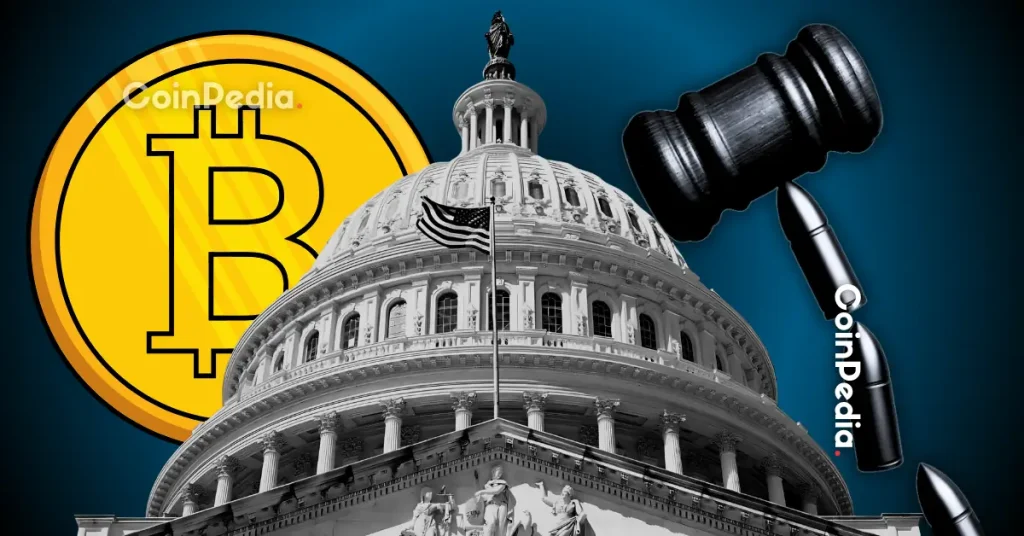
U.S. Bitcoin Reserve

The post U.S. Bitcoin Reserve Is the “Only Real Solution,” Says Senator Cynthia Lummis appeared first on Coinpedia Fintech News

Senator Cynthia Lummis has called Bitcoin the “only real solution” to help address the U.S. national debt. She says Bitcoin is not just another asset but a key tool that could strengthen the country’s finances over time. 

According to Lummis, Bitcoin’s limited supply and potential for long-term growth make it similar to how gold reserves once supported national finances. She praised President Donald Trump and his administration for supporting the plan and expressed confidence that the reserve would eventually be implemented.

Government Exploring a Bitcoin Reserve

Initially, some policymakers suggested revaluing U.S. gold holdings to buy Bitcoin. But Lummis now says the Treasury and White House are exploring other options. This means Bitcoin could become part of the national reserve without using gold.

Treasury Secretary Scott Bessent and White House officials are reviewing how a Bitcoin reserve could work, signaling that the government is taking the plan seriously.

  • Also Read :
  •   Trump’s First Electoral Test Suffers Blow – What Does It Mean for Crypto Policy?
  •   ,

No New Taxes: Reserve Will Use Seized Bitcoin

A key question was how the U.S. would fund the reserve. Lummis clarified that no new taxpayer money would be spent. Instead, the reserve would use Bitcoin the government already owns from criminal case seizures. After a recent forfeiture, the U.S. now holds roughly 130,000 BTC, valued at over $34 billion, making it one of the largest government Bitcoin holdings in the world. The Treasury also said more Bitcoin could be added later using “budget-neutral” methods, without extra spending.

Bitcoin Reserve Gains Momentum

Interest in Bitcoin in government circles is growing. Earlier this year, President Trump signed an executive order to create a reserve framework. Analysts, including Galaxy Digital’s Alex Thorn, expect the reserve structure to be finalized before the end of 2025.

Supporters say a Bitcoin reserve would protect the U.S. from inflation, diversify national assets, and strengthen the country’s financial future. Critics, however, want more clarity on security, transparency, and management of the reserve.

Never Miss a Beat in the Crypto World!

Stay ahead with breaking news, expert analysis, and real-time updates on the latest trends in Bitcoin, altcoins, DeFi, NFTs, and more.

bell icon Subscribe to News

FAQs

How would a Bitcoin reserve help reduce the U.S. national debt?

A Bitcoin reserve could boost national assets, hedge against inflation, and diversify reserves without increasing taxes or spending.

Will taxpayers fund the proposed U.S. Bitcoin reserve?

No. The reserve would use Bitcoin seized in criminal cases, meaning no new taxes or federal spending would be required.

When could the U.S. Bitcoin reserve become official?

Analysts expect the reserve framework to be finalized before the end of 2025, following President Trump’s executive order.

Market Opportunity
Union Logo
Union Price(U)
$0.001163
$0.001163$0.001163
+4.96%
USD
Union (U) Live Price Chart
Disclaimer: The articles reposted on this site are sourced from public platforms and are provided for informational purposes only. They do not necessarily reflect the views of MEXC. All rights remain with the original authors. If you believe any content infringes on third-party rights, please contact [email protected] for removal. MEXC makes no guarantees regarding the accuracy, completeness, or timeliness of the content and is not responsible for any actions taken based on the information provided. The content does not constitute financial, legal, or other professional advice, nor should it be considered a recommendation or endorsement by MEXC.

You May Also Like

USD Sentiment Turns Bearish, Stablecoins and Crypto Could Be Affected

USD Sentiment Turns Bearish, Stablecoins and Crypto Could Be Affected

Institutional investors are showing unprecedented pessimism toward the US Dollar, signaling a potential shift in global currency markets.  According to a recen
Share
Coinstats2026/02/19 05:08
Here’s How Consumers May Benefit From Lower Interest Rates

Here’s How Consumers May Benefit From Lower Interest Rates

The post Here’s How Consumers May Benefit From Lower Interest Rates appeared on BitcoinEthereumNews.com. Topline The Federal Reserve on Wednesday opted to ease interest rates for the first time in months, leading the way for potentially lower mortgage rates, bond yields and a likely boost to cryptocurrency over the coming weeks. Average long-term mortgage rates dropped to their lowest levels in months ahead of the central bank’s policy shift. Copyright{2018} The Associated Press. All rights reserved. Key Facts The central bank’s policymaking panel voted this week to lower interest rates, which have sat between 4.25% and 4.5% since December, to a new range of 4% and 4.25%. How Will Lower Interest Rates Impact Mortgage Rates? Mortgage rates tend to fall before and during a period of interest rate cuts: The average 30-year fixed-rate mortgage dropped to 6.35% from 6.5% last week, the lowest level since October 2024, mortgage buyer Freddie Mac reported. Borrowing costs on 15-year fixed-rate mortgages also dropped to 5.5% from 5.6% as they neared the year-ago rate of 5.27%. When the Federal Reserve lowered the funds rate to between 0% and 0.25% during the pandemic, 30-year mortgage rates hit record lows between 2.7% and 3% by the end of 2020, according to data published by Freddie Mac. Consumers who refinanced their mortgages in 2020 saved about $5.3 billion annually as rates dropped, according to the Consumer Financial Protection Bureau. Similarly, mortgage rates spiked around 7% as interest rates were hiked in 2022 and 2023, though mortgage rates appeared to react within weeks of the Fed opting to cut or raise rates. How Do Treasury Bonds Respond To Lower Interest Rates? Long-term Treasury yields are more directly influenced by interest rates, as lower rates tend to result in lower yields. When the Fed pushed rates to near zero during the pandemic, 10-year Treasury yields fell to an all-time low of 0.5%. As…
Share
BitcoinEthereumNews2025/09/18 05:59
Lumifi Announces Strategic Partnership with Vizient to Strengthen Cybersecurity for Healthcare Organizations

Lumifi Announces Strategic Partnership with Vizient to Strengthen Cybersecurity for Healthcare Organizations

SCOTTSDALE, Ariz.–(BUSINESS WIRE)–Lumifi, a leading provider of comprehensive cybersecurity solutions, is proud to announce its new partnership with Vizient, the
Share
AI Journal2026/02/19 06:31