BitcoinWorld Revolutionary Tokenized Deposit Insurance: FDIC’s Bold New Guidelines Unveiled Are you curious about how your digital deposits could gain federal protection? The U.S. FDIC is making waves by preparing guidelines for tokenized deposit insurance, a move that could reshape the crypto landscape. This development highlights the growing recognition of blockchain’s role in finance while ensuring consumer safety. What Is Tokenized Deposit Insurance and Why Does It Matter? Tokenized deposit insurance refers to the FDIC’s plan to extend coverage to deposits moved onto blockchain networks. According to FDIC Commissioner Travis Hill, this step acknowledges that digitizing deposits doesn’t change their legal standing. Therefore, users can expect the same security as traditional bank accounts. How Do Tokenized Deposits Differ From Stablecoins? Many people confuse tokenized deposits with stablecoins, but they serve distinct purposes. Tokenized deposits represent insured claims on financial institutions, whereas stablecoins are typically backed by fiat reserves without deposit insurance. This key difference means tokenized deposit insurance offers a safer option for blockchain-based savings. Tokenized deposits are legal claims on banks Stablecoins lack federal insurance protection Blockchain technology enhances transaction efficiency What Benefits Does Tokenized Deposit Insurance Offer? The introduction of tokenized deposit insurance brings multiple advantages. First, it boosts trust in digital finance by providing familiar safeguards. Moreover, it encourages innovation by clarifying regulatory expectations. For instance, businesses can develop new products knowing deposits are protected. What Challenges Might Arise With These Guidelines? Implementing tokenized deposit insurance isn’t without hurdles. Regulators must address technical risks like smart contract vulnerabilities. Additionally, educating the public about these new protections will be crucial. However, the FDIC’s proactive approach signals a commitment to overcoming these obstacles. How Can You Prepare for This Change? As the FDIC refines its tokenized deposit insurance guidelines, staying informed is key. Follow official announcements and consult reliable sources. Also, consider how this shift might affect your digital asset strategy. Embracing these changes early could position you for success in the evolving financial ecosystem. Conclusion: A Secure Future for Digital Finance The FDIC’s move to insure tokenized deposits marks a pivotal moment for crypto adoption. By blending traditional safeguards with blockchain innovation, tokenized deposit insurance paves the way for broader acceptance. This initiative not only protects consumers but also legitimizes digital assets in the mainstream economy. Frequently Asked Questions What is tokenized deposit insurance?It’s FDIC coverage for deposits stored on blockchain, ensuring they’re protected like regular bank accounts. How does tokenized deposit insurance differ from bank insurance?It applies the same insurance rules to blockchain-based deposits, offering identical protection through a digital format. Are tokenized deposits safer than stablecoins?Yes, because they come with FDIC insurance, which stablecoins generally lack, making them more secure for holders. When will these guidelines take effect?The FDIC is still preparing them, so no specific date is set, but updates are expected soon. Can individuals access tokenized deposit insurance now?Not yet, as guidelines are in development, but once finalized, users will need to use compliant services. Will this affect crypto regulation broadly?Yes, it sets a precedent for integrating traditional financial protections into the crypto space, influencing future rules. If you found this insight into tokenized deposit insurance helpful, share this article on social media to spread the word about these exciting developments! To learn more about the latest crypto regulation trends, explore our article on key developments shaping blockchain institutional adoption. This post Revolutionary Tokenized Deposit Insurance: FDIC’s Bold New Guidelines Unveiled first appeared on BitcoinWorld.BitcoinWorld Revolutionary Tokenized Deposit Insurance: FDIC’s Bold New Guidelines Unveiled Are you curious about how your digital deposits could gain federal protection? The U.S. FDIC is making waves by preparing guidelines for tokenized deposit insurance, a move that could reshape the crypto landscape. This development highlights the growing recognition of blockchain’s role in finance while ensuring consumer safety. What Is Tokenized Deposit Insurance and Why Does It Matter? Tokenized deposit insurance refers to the FDIC’s plan to extend coverage to deposits moved onto blockchain networks. According to FDIC Commissioner Travis Hill, this step acknowledges that digitizing deposits doesn’t change their legal standing. Therefore, users can expect the same security as traditional bank accounts. How Do Tokenized Deposits Differ From Stablecoins? Many people confuse tokenized deposits with stablecoins, but they serve distinct purposes. Tokenized deposits represent insured claims on financial institutions, whereas stablecoins are typically backed by fiat reserves without deposit insurance. This key difference means tokenized deposit insurance offers a safer option for blockchain-based savings. Tokenized deposits are legal claims on banks Stablecoins lack federal insurance protection Blockchain technology enhances transaction efficiency What Benefits Does Tokenized Deposit Insurance Offer? The introduction of tokenized deposit insurance brings multiple advantages. First, it boosts trust in digital finance by providing familiar safeguards. Moreover, it encourages innovation by clarifying regulatory expectations. For instance, businesses can develop new products knowing deposits are protected. What Challenges Might Arise With These Guidelines? Implementing tokenized deposit insurance isn’t without hurdles. Regulators must address technical risks like smart contract vulnerabilities. Additionally, educating the public about these new protections will be crucial. However, the FDIC’s proactive approach signals a commitment to overcoming these obstacles. How Can You Prepare for This Change? As the FDIC refines its tokenized deposit insurance guidelines, staying informed is key. Follow official announcements and consult reliable sources. Also, consider how this shift might affect your digital asset strategy. Embracing these changes early could position you for success in the evolving financial ecosystem. Conclusion: A Secure Future for Digital Finance The FDIC’s move to insure tokenized deposits marks a pivotal moment for crypto adoption. By blending traditional safeguards with blockchain innovation, tokenized deposit insurance paves the way for broader acceptance. This initiative not only protects consumers but also legitimizes digital assets in the mainstream economy. Frequently Asked Questions What is tokenized deposit insurance?It’s FDIC coverage for deposits stored on blockchain, ensuring they’re protected like regular bank accounts. How does tokenized deposit insurance differ from bank insurance?It applies the same insurance rules to blockchain-based deposits, offering identical protection through a digital format. Are tokenized deposits safer than stablecoins?Yes, because they come with FDIC insurance, which stablecoins generally lack, making them more secure for holders. When will these guidelines take effect?The FDIC is still preparing them, so no specific date is set, but updates are expected soon. Can individuals access tokenized deposit insurance now?Not yet, as guidelines are in development, but once finalized, users will need to use compliant services. Will this affect crypto regulation broadly?Yes, it sets a precedent for integrating traditional financial protections into the crypto space, influencing future rules. If you found this insight into tokenized deposit insurance helpful, share this article on social media to spread the word about these exciting developments! To learn more about the latest crypto regulation trends, explore our article on key developments shaping blockchain institutional adoption. This post Revolutionary Tokenized Deposit Insurance: FDIC’s Bold New Guidelines Unveiled first appeared on BitcoinWorld.

Revolutionary Tokenized Deposit Insurance: FDIC’s Bold New Guidelines Unveiled

2025/11/14 06:25
3 min read

BitcoinWorld

Revolutionary Tokenized Deposit Insurance: FDIC’s Bold New Guidelines Unveiled

Are you curious about how your digital deposits could gain federal protection? The U.S. FDIC is making waves by preparing guidelines for tokenized deposit insurance, a move that could reshape the crypto landscape. This development highlights the growing recognition of blockchain’s role in finance while ensuring consumer safety.

What Is Tokenized Deposit Insurance and Why Does It Matter?

Tokenized deposit insurance refers to the FDIC’s plan to extend coverage to deposits moved onto blockchain networks. According to FDIC Commissioner Travis Hill, this step acknowledges that digitizing deposits doesn’t change their legal standing. Therefore, users can expect the same security as traditional bank accounts.

How Do Tokenized Deposits Differ From Stablecoins?

Many people confuse tokenized deposits with stablecoins, but they serve distinct purposes. Tokenized deposits represent insured claims on financial institutions, whereas stablecoins are typically backed by fiat reserves without deposit insurance. This key difference means tokenized deposit insurance offers a safer option for blockchain-based savings.

  • Tokenized deposits are legal claims on banks
  • Stablecoins lack federal insurance protection
  • Blockchain technology enhances transaction efficiency

What Benefits Does Tokenized Deposit Insurance Offer?

The introduction of tokenized deposit insurance brings multiple advantages. First, it boosts trust in digital finance by providing familiar safeguards. Moreover, it encourages innovation by clarifying regulatory expectations. For instance, businesses can develop new products knowing deposits are protected.

What Challenges Might Arise With These Guidelines?

Implementing tokenized deposit insurance isn’t without hurdles. Regulators must address technical risks like smart contract vulnerabilities. Additionally, educating the public about these new protections will be crucial. However, the FDIC’s proactive approach signals a commitment to overcoming these obstacles.

How Can You Prepare for This Change?

As the FDIC refines its tokenized deposit insurance guidelines, staying informed is key. Follow official announcements and consult reliable sources. Also, consider how this shift might affect your digital asset strategy. Embracing these changes early could position you for success in the evolving financial ecosystem.

Conclusion: A Secure Future for Digital Finance

The FDIC’s move to insure tokenized deposits marks a pivotal moment for crypto adoption. By blending traditional safeguards with blockchain innovation, tokenized deposit insurance paves the way for broader acceptance. This initiative not only protects consumers but also legitimizes digital assets in the mainstream economy.

Frequently Asked Questions

What is tokenized deposit insurance?
It’s FDIC coverage for deposits stored on blockchain, ensuring they’re protected like regular bank accounts.

How does tokenized deposit insurance differ from bank insurance?
It applies the same insurance rules to blockchain-based deposits, offering identical protection through a digital format.

Are tokenized deposits safer than stablecoins?
Yes, because they come with FDIC insurance, which stablecoins generally lack, making them more secure for holders.

When will these guidelines take effect?
The FDIC is still preparing them, so no specific date is set, but updates are expected soon.

Can individuals access tokenized deposit insurance now?
Not yet, as guidelines are in development, but once finalized, users will need to use compliant services.

Will this affect crypto regulation broadly?
Yes, it sets a precedent for integrating traditional financial protections into the crypto space, influencing future rules.

If you found this insight into tokenized deposit insurance helpful, share this article on social media to spread the word about these exciting developments!

To learn more about the latest crypto regulation trends, explore our article on key developments shaping blockchain institutional adoption.

This post Revolutionary Tokenized Deposit Insurance: FDIC’s Bold New Guidelines Unveiled first appeared on BitcoinWorld.

Market Opportunity
Griffin AI Logo
Griffin AI Price(GAIN)
$0.002094
$0.002094$0.002094
+0.47%
USD
Griffin AI (GAIN) Live Price Chart
Disclaimer: The articles reposted on this site are sourced from public platforms and are provided for informational purposes only. They do not necessarily reflect the views of MEXC. All rights remain with the original authors. If you believe any content infringes on third-party rights, please contact [email protected] for removal. MEXC makes no guarantees regarding the accuracy, completeness, or timeliness of the content and is not responsible for any actions taken based on the information provided. The content does not constitute financial, legal, or other professional advice, nor should it be considered a recommendation or endorsement by MEXC.

You May Also Like

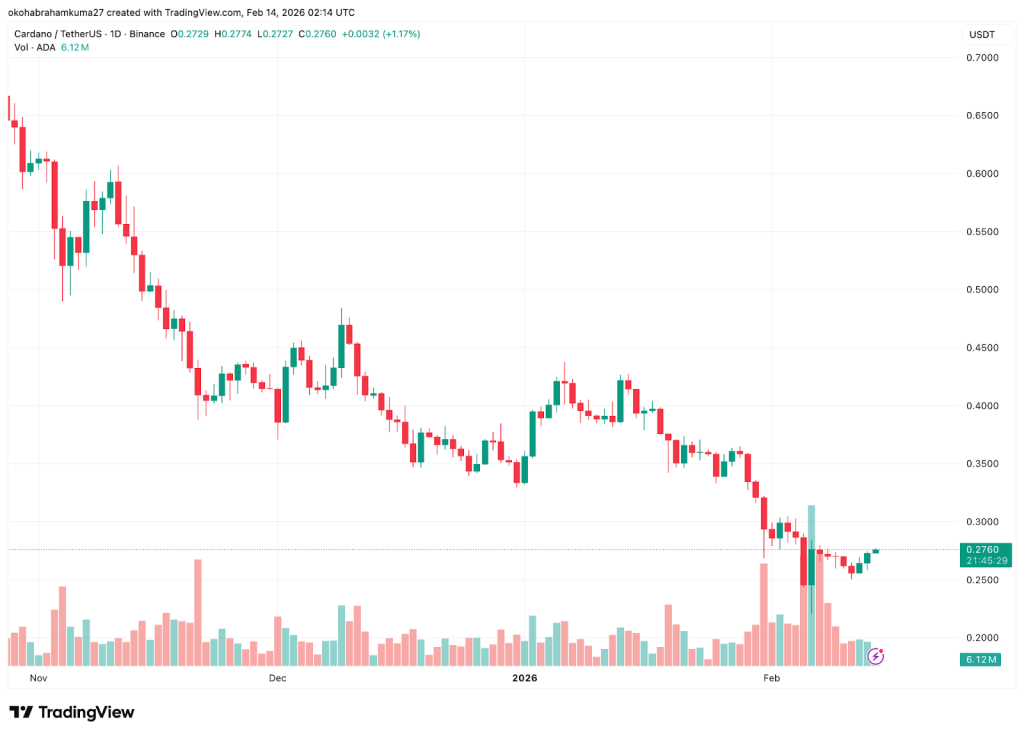
Cardano Price Prediction 2026 vs Tron: European Exchange Giant Merges Crypto Units, but DeepSnitch AI Has the Chance of Performing 60x Better Than the Cardano Price Prediction

Cardano Price Prediction 2026 vs Tron: European Exchange Giant Merges Crypto Units, but DeepSnitch AI Has the Chance of Performing 60x Better Than the Cardano Price Prediction

The Boerse Stuttgart Group, one of Europe’s largest stock exchanges, has announced a strategic merger of its cryptocurrency business with Frankfurt-based trading
Share
Captainaltcoin2026/02/15 04:30
White House Says Trillions Await Bitcoin Pending U.S. Regulatory Clarity

White House Says Trillions Await Bitcoin Pending U.S. Regulatory Clarity

A senior White House official said that “trillions of dollars” in institutional capital remain on the sidelines, waiting for federal regulatory clarity before entering
Share
Ethnews2026/02/15 04:22
CME to launch Solana and XRP futures options on October 13, 2025

CME to launch Solana and XRP futures options on October 13, 2025

The post CME to launch Solana and XRP futures options on October 13, 2025 appeared on BitcoinEthereumNews.com. Key Takeaways CME Group will launch futures options for Solana (SOL) and XRP. The launch date is set for October 13, 2025. CME Group will launch futures options for Solana and XRP on October 13, 2025. The Chicago-based derivatives exchange will add the new crypto derivatives products to its existing digital asset offerings. The launch will provide institutional and retail traders with additional tools to hedge positions and speculate on price movements for both digital assets. The futures options will be based on CME’s existing Solana and XRP futures contracts. Trading will be conducted through CME Globex, the exchange’s electronic trading platform. Source: https://cryptobriefing.com/cme-solana-xrp-futures-options-launch-2025/
Share
BitcoinEthereumNews2025/09/18 01:07