THE NATIONAL GOVERNMENT’S (NG) outstanding debt inched up to P17.562 trillion at the end of October due to a weaker peso. Data from the Bureau of the Treasury (BTr) showed outstanding debt rose by 0.61% to P17.562 trillion in October from P17.46 trillion at end-September.  This was 1.2% higher than the P17.36-trillion projected debt level […]THE NATIONAL GOVERNMENT’S (NG) outstanding debt inched up to P17.562 trillion at the end of October due to a weaker peso. Data from the Bureau of the Treasury (BTr) showed outstanding debt rose by 0.61% to P17.562 trillion in October from P17.46 trillion at end-September.  This was 1.2% higher than the P17.36-trillion projected debt level […]

NG debt rises to P17.56T at end-Oct.

2025/12/03 00:33

THE NATIONAL GOVERNMENT’S (NG) outstanding debt inched up to P17.562 trillion at the end of October due to a weaker peso.

Data from the Bureau of the Treasury (BTr) showed outstanding debt rose by 0.61% to P17.562 trillion in October from P17.46 trillion at end-September. 

This was 1.2% higher than the P17.36-trillion projected debt level by end-2025.

Year on year, NG debt jumped by 9.62% from P16.02 trillion as of October 2024, the BTr said.

The end-October level was also a tad lower than the record-high P17.563 trillion in outstanding debt seen as of July. 

“The expansion was driven by net issuances of domestic and external liabilities, as well as due to the upward revaluation effects of the weaker peso against the US dollar,” the BTr said.

The peso depreciated to P58.771 per dollar at the end of October from P58.149 at end- September, it said.

NG debt is the total amount owed by the Philippine government to creditors such as international financial institutions, development partner-countries, banks, global bondholders and other investors.

In October, the bulk or 68.6% of the debt stock came from domestic sources, while external obligations made up the rest, consistent with the government’s strategy to prioritize local currency financing to reduce foreign exchange risks and help develop the bond market.

Domestic debt went up by 0.6% month on month to P12.05 trillion at end-October from P11.97 trillion at end-September. This was slightly above the P12.04-trillion year-end domestic debt projection.

The net issuance of government securities added P70.65 billion to the outstanding debt, and the peso’s depreciation also increased the valuation of its retail dollar bonds by P1.78 billion.

Year on year, this was 10.61% higher than the P10.89 trillion recorded as of October 2024.

Meanwhile, external liabilities rose by 0.63% to P5.52 trillion at end-October from P5.48 trillion at end-September. This exceeded the P5.32-trillion end-2025 external debt projection by 3.8%.

The month-on-month increase came “behind the net availment of loans of P8.25 billion and upward net adjustments in the peso equivalent of foreign currency debt of P26.1 billion,” the BTr said.

“Peso depreciation against the US dollar added P58.64 billion to the debt total, while peso appreciation against third currencies provided an offset of P32.54 billion.”

The outstanding foreign debt was composed of P2.82 trillion in global bond issuances and P2.7 trillion in loans. External debt securities were made up of P2.39 trillion in US dollar bonds, P257.61 billion in euro bonds, P58.77 billion in Islamic certificates, P57.83 billion in Japanese yen bonds, and P54.77 billion in peso global bonds.

Year on year, foreign debt climbed by 7.53% from P5.13 trillion.

NG-guaranteed liabilities dipped by 0.64% month on month to P344.41 billion at end-October due to net repayments of P1.25 billion and lower valuation of foreign currency guarantees of P0.97 billion.

“The Bureau reaffirmed its commitment to prudent debt and risk management, ensuring that borrowings remain aligned with the government’s long-term fiscal sustainability goals and supportive of a thriving and stable macroeconomic environment toward a prosperous and more inclusive future for Filipinos,” the Treasury said.

NG debt as a share of gross domestic product (GDP) went up to 63.1% at end-September from 60.1% in the same period last year. This is above the 60% threshold deemed sustainable for developing countries.

The Department of Finance expects the NG debt-to-GDP ratio to ease to 61.3% by end-2025 and eventually fall to 58% by 2030. — with inputs from A.R.A.Inosante

Market Opportunity
Omnity Network Logo
Omnity Network Price(OCT)
$0,02702
$0,02702$0,02702
-8,90%
USD
Omnity Network (OCT) Live Price Chart
Disclaimer: The articles reposted on this site are sourced from public platforms and are provided for informational purposes only. They do not necessarily reflect the views of MEXC. All rights remain with the original authors. If you believe any content infringes on third-party rights, please contact [email protected] for removal. MEXC makes no guarantees regarding the accuracy, completeness, or timeliness of the content and is not responsible for any actions taken based on the information provided. The content does not constitute financial, legal, or other professional advice, nor should it be considered a recommendation or endorsement by MEXC.

You May Also Like

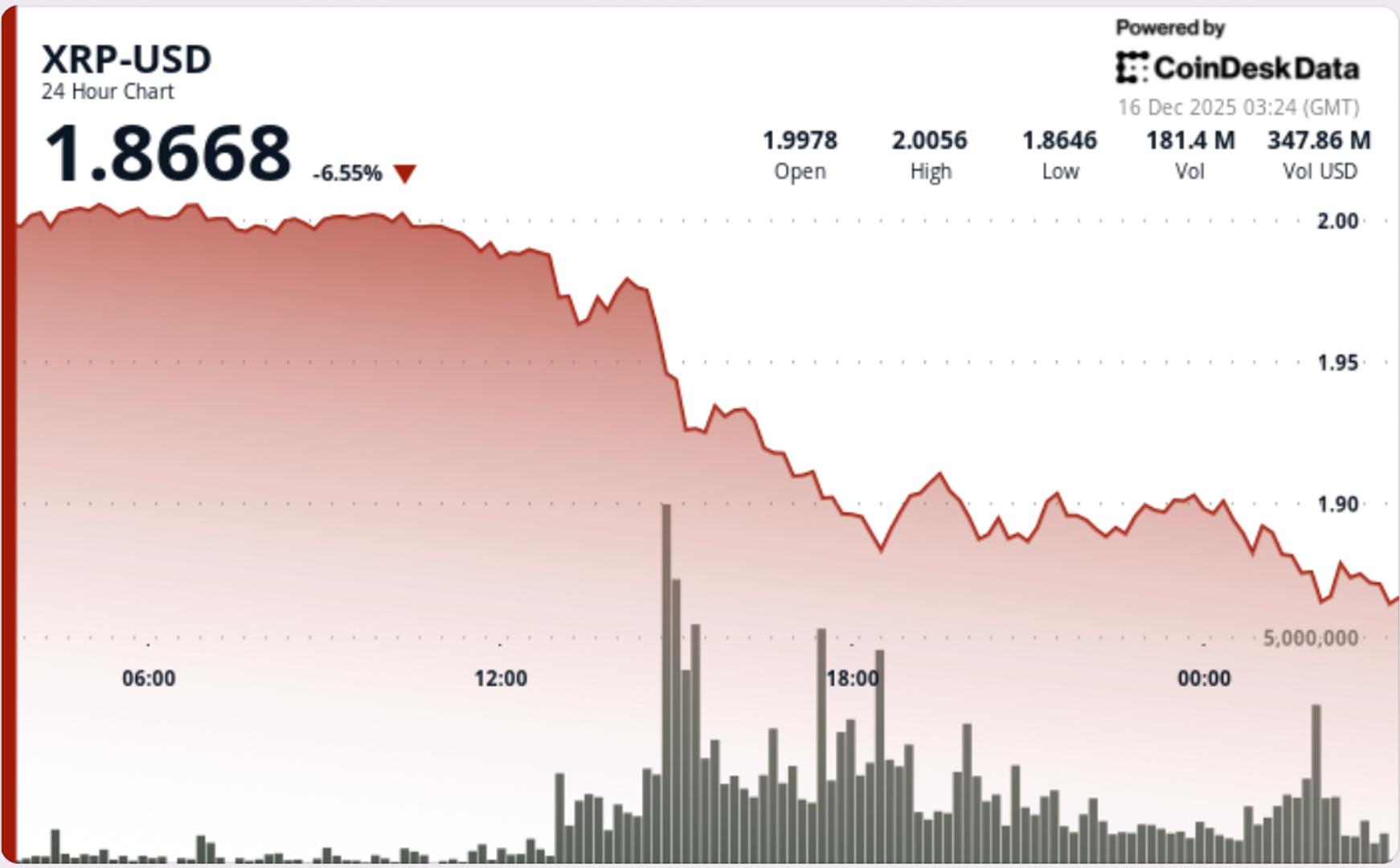
XRP price weakens at critical level, raising risk of deeper pullback

XRP price weakens at critical level, raising risk of deeper pullback

Markets Share Share this article
Copy linkX (Twitter)LinkedInFacebookEmail
XRP price weakens at critical level, raising
Share
Coindesk2025/12/16 11:34
Warsaw Stock Exchange Launches Poland's First Bitcoin ETF

Warsaw Stock Exchange Launches Poland's First Bitcoin ETF

PANews reported on September 19th that according to Cryptobriefing, the Warsaw Stock Exchange has launched Poland's first Bitcoin ETF, marking a significant step forward in the adoption of cryptocurrencies in Eastern Europe. The ETF allows Polish investors to gain exposure to Bitcoin through standard brokerage accounts.
Share
PANews2025/09/19 08:52
Slate Milk Raises $23 Million Series B Round To Bolster Protein Drink’s Rapid Growth

Slate Milk Raises $23 Million Series B Round To Bolster Protein Drink’s Rapid Growth

The post Slate Milk Raises $23 Million Series B Round To Bolster Protein Drink’s Rapid Growth appeared on BitcoinEthereumNews.com. Slate Classic Chocolate milk shake Slate A new slate of functional beverages is about to dominate the ready-to-drink shelf, ushering in a more modern era of easily incorporating more protein in our diets. Today, Slate Milk cofounders Manny Lubin and Josh Belinsky reveal the brand has raised a $23 million Series B funding round. Led by Foundership, a new fund by Yasso frozen greek yogurt cofounders Drew Harrington and Amanda Klane, the money will allow Slate to continue its momentum towards ubiquity as it hits 100,000 points of distribution across 20,000 stores nationwide by the end of 2025. Slate also reveals that it is rolling out several line extensions including a 20 gram protein Strawberry milk at Sprouts Farmers Market, a 30 gram protein Cookies & Cream milk at Target, and a 30 gram protein Salted Caramel flavor at Walmart and Albertsons banner stores. New “Ultra” 42 gram protein options in Chocolate, Vanilla and Salted Caramel will also be available in retailers across the country. “Stores where we may have just had our ready-to-drink lattes, now we’re adding our shakes, and vice versa. We’re adding new partners and executing deeper with our existing partners,” Lubin tells me. The impressive growth is due to Slate’s early entry into the high-protein product space slightly before it caught mainstream attention–ready to execute immediately once consumers craved it most. Slate’s macronutrient ratios are practically unbeatable, largely due to the utilization of ultra-filtered milk. It’s a protein drink that writes a new script about who protein drinks are for. “We’re not sons of dairy farmers. We had no milk history,” Lubin says “We’re just a couple of dudes from the burbs of Boston who like chocolate milk.” Slate cofounder Manny Lubin Slate Another Clean Slate Slate’s brand has evolved significantly in just the past six…
Share
BitcoinEthereumNews2025/09/19 03:08