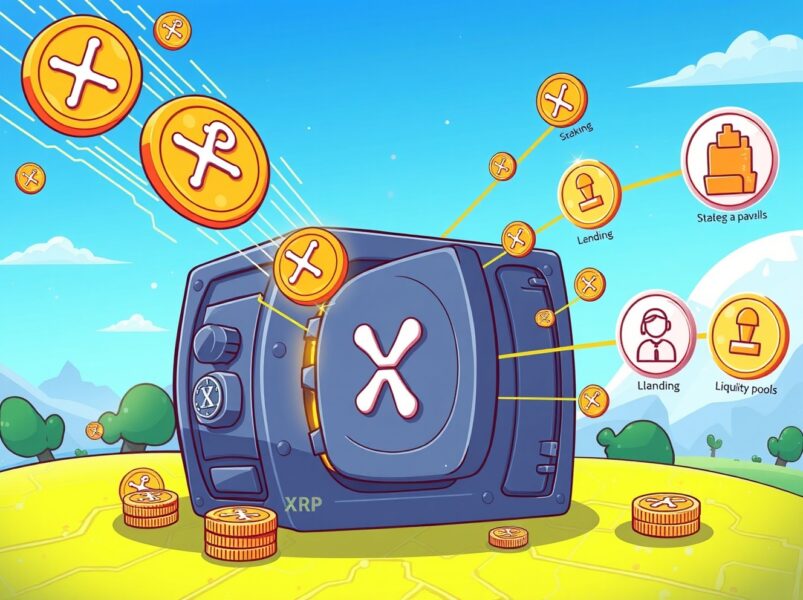
Tether To Launch AI Self-Custodial Wallet Supporting Bitcoin And Stablecoins
TLDR
- Tether’s wallet will support BTC, USDT, XAUT, and USAT with no access to other tokens.
- QVAC will power AI features locally, protecting user data from cloud exposure.
- Tether will use its WDK system to build the wallet with full self-custody features.
- The move signals Tether’s shift from backend services to end-user product offerings.
The upcoming mobile wallet will support only four digital assets: Bitcoin (BTC) via the Lightning Network, Tether (USDT), XAUT (Tether’s gold-backed token), and USAT, the company’s new US-regulated stablecoin. Tether’s choice to restrict the wallet to these assets reflects its focus on transactional utility and long-term value storage.
Unlike most wallets that offer access to a wide range of altcoins, Tether’s wallet avoids exposure to volatile or unverified tokens. This narrow asset scope suggests an emphasis on creating a reliable payment platform rather than a speculative trading environment. The wallet will operate under a 100% self-custodial model, ensuring users retain complete control of their private keys and assets.
Tether refers to this setup as a “hard money” payment rail, designed to facilitate direct, secure, and efficient digital transactions. The limited asset basket supports this approach by reducing complexity while focusing on liquidity, stability, and compliance.
AI Features Powered by QVAC and WDK to Enhance Privacy
The new wallet will run on two proprietary technologies, the Wallet Development Kit (WDK) and QVAC. WDK will handle the wallet’s core financial infrastructure, enabling secure, non-custodial access to supported assets. QVAC, Tether’s in-house local artificial intelligence system, introduces AI-powered functionality processed directly on users’ devices
This architecture avoids cloud-based data processing, which is commonly used by large tech platforms and often criticized for compromising user privacy. Instead, QVAC enables the wallet to perform smart tasks such as transaction management and financial insights while keeping all data local. This approach aims to balance advanced AI features with strong privacy controls.
The local AI design represents a key point of differentiation in the crypto wallet space. By removing cloud dependency, Tether reduces third-party risks and aligns the wallet with privacy-focused market trends.
Strategic Shift Reflects Broader Product Integration
Tether’s wallet initiative follows the recent launch of PearPass, a peer-to-peer password manager also built without cloud reliance. Together, these products show the company’s shift toward vertical integration across its financial technology stack.
By combining self-custody tools, stablecoins, AI systems, and secure access features, Tether is building a unified platform. This shift allows the company to reduce dependence on external providers while expanding its role from infrastructure support to direct user engagement.
The post Tether To Launch AI Self-Custodial Wallet Supporting Bitcoin And Stablecoins appeared first on CoinCentral.
You May Also Like
Why Is Crypto Up Today? – December 4, 2025

Layer Brett Picked As The Best Crypto To Buy Now By Experts Over Pi Coin & VeChain