

Vitalik Buterin: Ethereum DApps Can Shield Internet From Outages and Centralised Failures
- Vitalik Buterin warned that Ethereum must shift focus from chasing market trends like memecoins to fulfilling its original vision as a decentralised “world computer.”
- He celebrated 2025 technical gains but argued the network must now pass a “walkaway test” where apps keep running even if their creators disappear.
- To achieve global scale, Buterin called for a simultaneous push for usability and true decentralisation at both the blockchain infrastructure and application layers in 2026.
Ethereum co-founder Vitalik Buterin said Ethereum’s (ETH) biggest challenge is no longer just shipping upgrades but proving it can deliver on its original goal: a global platform that stays genuinely decentralised.
In a New Year’s message posted Thursday on X, Buterin said Ethereum made “meaningful progress” in 2025, becoming faster, more reliable, and better able to handle growth without giving up its decentralised design. He pointed to improvements that let the network process more activity, reduce congestion, and make it easier for more people to run the software that helps keep Ethereum running.
He said that work moves Ethereum closer to being a shared computing platform, not just another blockchain.
But he warned that technical milestones are only useful if they support the network’s core purpose. “Ethereum needs to do more to meet its own stated goals,” he wrote, pushing back on attempts to “win the next meta,” including tokenised dollars, political memecoins, or efforts to inflate network activity to signal economic success.
Related: Strategy Resumes Bitcoin Buying, Lifting Holdings to 672,497 BTC
A “World Computer”
Buterin said the real target is Ethereum as a “world computer”, so kind of a neutral base for applications that can run without fraud, censorship, or reliance on a central operator, he said.
He highlighted the “walkaway test,” arguing systems should keep working even if their original developers step away. He also argued that users should not feel it if major infrastructure providers go offline or are compromised.
Buterin said Ethereum must hit two goals at once: operate at global scale and remain decentralised, adding that this test extends beyond the blockchain itself to the tools people use to access it and to applications built on Ethereum, many of which still depend on centralised services.
All of these pieces must be improved – they are already being improved, but they must be improved more. Fortunately, we have powerful tools on our side – but we need to apply them, and we will.
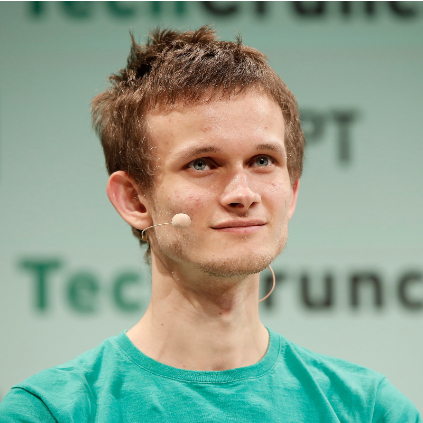 Vitalik Buterin, Ethereum Co-Founder-
Related: Bitmine Amasses 3.41% of Ethereum Supply, Eyes Staking Windfall
The post Vitalik Buterin: Ethereum DApps Can Shield Internet From Outages and Centralised Failures appeared first on Crypto News Australia.
You May Also Like

$2.2 Billion BTC & ETH Options Expiry Kicks Off 2026 Volatility Test

Kusama Coin (KSM) Price Prediction 2025, 2026-2030: Is KSM A Worthy Buy?
