We live in a time where marketing is overwhelmingly digital. Brands compete for attention through social media ads, email campaigns, influencer partnerships, and search engine rankings. With so much emphasis on online visibility, it’s easy to assume that physical promotional products have lost their relevance.
Yet, the opposite is happening.
Practical promotional products continue to play a meaningful role in modern marketing strategies—not as replacements for digital tools, but as powerful complements to them. Their effectiveness lies not in novelty, but in human behavior, memory, and real-world interaction.
Digital Fatigue Is Real
Consumers today are exposed to thousands of digital messages every single day. Ads appear while scrolling, watching videos, reading emails, and even playing games. As a result, attention spans are shrinking, and ad blindness is growing.
People have learned to ignore most digital promotions subconsciously. They scroll past ads, close pop-ups, and unsubscribe from emails without much thought. This doesn’t mean digital marketing is ineffective—but it does mean brands need additional ways to stand out.
Physical promotional products work precisely because they exist outside the digital noise. They don’t interrupt a screen experience; they integrate into daily life. Meanwhile, behind the scenes, developers rely on tools like an application performance monitoring tool to ensure their digital platforms run smoothly, keeping users engaged without disruptions.
Tangibility Builds Stronger Brand Recall
One of the biggest advantages of practical promotional products is tangibility. Humans remember physical experiences differently than digital ones. Touching, using, and seeing an item repeatedly creates stronger memory associations.
A digital ad might be seen for a few seconds. A useful promotional product can remain in someone’s environment for months or even years. Every time it’s used, it reinforces brand awareness without demanding attention.
This repeated, passive exposure builds familiarity—and familiarity builds trust.
Utility Matters More Than Logos
The effectiveness of a promotional product depends less on how flashy it is and more on how useful it is. People don’t keep items because they have logos; they keep them because they solve a problem.
Practicality is the key factor. Products that serve a real purpose—especially those used in daily routines or unexpected situations—naturally stay in circulation longer.
For outdoor events, travel, or corporate gatherings, items like custom golf umbrellas are often used as examples of promotional products that succeed because they combine high utility with visibility. Their value comes from function first, branding second—and that order matters.
Physical Products Create Emotional Value
Promotional products are not just tools; they can also create emotional responses. Receiving a useful item feels different from seeing an online ad. It feels intentional.
When a brand gives something practical, it signals thoughtfulness. The recipient feels considered rather than targeted. This subtle emotional shift changes how people perceive the brand.
In psychology, this is linked to reciprocity: when someone receives value, they are more likely to respond positively in return—whether through brand loyalty, word-of-mouth, or future purchases.
Practical Products Bridge Online and Offline Branding
One of the most overlooked strengths of promotional products is their ability to connect digital and physical branding.
A physical item can:
- Reinforce brand colors and messaging seen online
- Remind users of a digital experience or event
- Encourage online engagement through familiarity
In corporate settings, conferences, or internal branding, personalized umbrellas bulk orders are often used not just for visibility, but for consistency. When multiple people use the same branded item, it creates a sense of shared identity and cohesion—something digital branding alone struggles to achieve.
Longevity Outperforms Short-Term Exposure
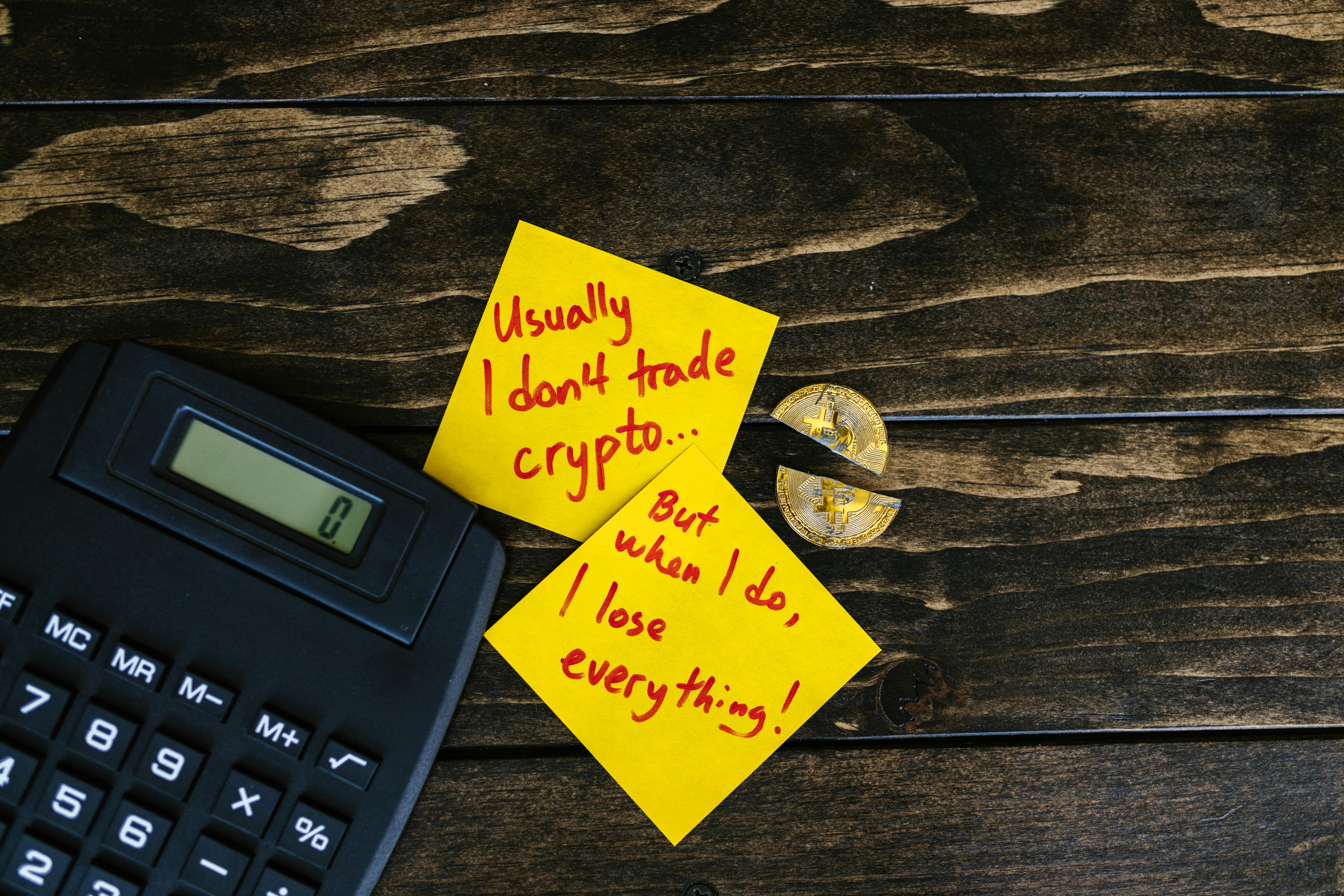
Most digital campaigns are temporary. Once the budget ends, visibility disappears. Promotional products, on the other hand, continue working long after distribution, a principle any crypto development company can leverage by giving away branded hardware wallets or limited-edition NFTs..
A well-made, practical item may:
- Be reused across seasons
- Travel to different locations
- Be shared or borrowed by others
Each of these interactions extends brand reach organically. No impressions are paid for, and no algorithms are involved—just real-world exposure.
Trust Is Built Through Presence, Not Pressure
Another reason practical promotional products still work is that they don’t rely on persuasion. They don’t ask for clicks, conversions, or immediate action.
Instead, they rely on presence.
A brand that exists quietly in someone’s daily life feels familiar rather than intrusive. Over time, this familiarity lowers resistance and increases trust. When the moment comes to make a decision, people often gravitate toward brands they recognize—even if they don’t consciously remember why.
The Strategic Role of Promotional Products Today
In a digital-first world, promotional products are most effective when used strategically—not randomly.
They work best when:
- Chosen for relevance, not trendiness
- Designed with quality in mind
- Integrated into a broader branding strategy
- Used to enhance real experiences (events, workplaces, travel)
They are no longer about mass distribution. They are about meaningful placement.
Conclusion: Practical Still Means Powerful
Digital marketing will continue to evolve, and its importance is undeniable. But human behavior hasn’t changed as much as technology has. People still value usefulness, tangibility, and thoughtful gestures.
Practical promotional products succeed because they respect the user’s time and attention. They don’t compete for clicks—they earn presence through value.
In a world where everyone is shouting online, sometimes the most effective message is the one that quietly becomes part of everyday life.