Panama City, January 29, 2026 — HTX, a leading global cryptocurrency exchange, today announced the upcoming listing of USDe, the synthetic dollar developed by EthenaPanama City, January 29, 2026 — HTX, a leading global cryptocurrency exchange, today announced the upcoming listing of USDe, the synthetic dollar developed by Ethena

HTX Announces Listing of USDe, Expanding Global Access to Ethena’s Delta-Neutral Synthetic Dollar

2026/01/29 14:29
4 min read

Panama City, January 29, 2026 — HTX, a leading global cryptocurrency exchange, today announced the upcoming listing of USDe, the synthetic dollar developed by Ethena. This move further expands access to innovative, on-chain financial primitives for its global user base.

The listing underscores HTX’s continued commitment to supporting next-generation digital assets and providing users with secure, forward-looking access to the rapidly evolving DeFi ecosystem.
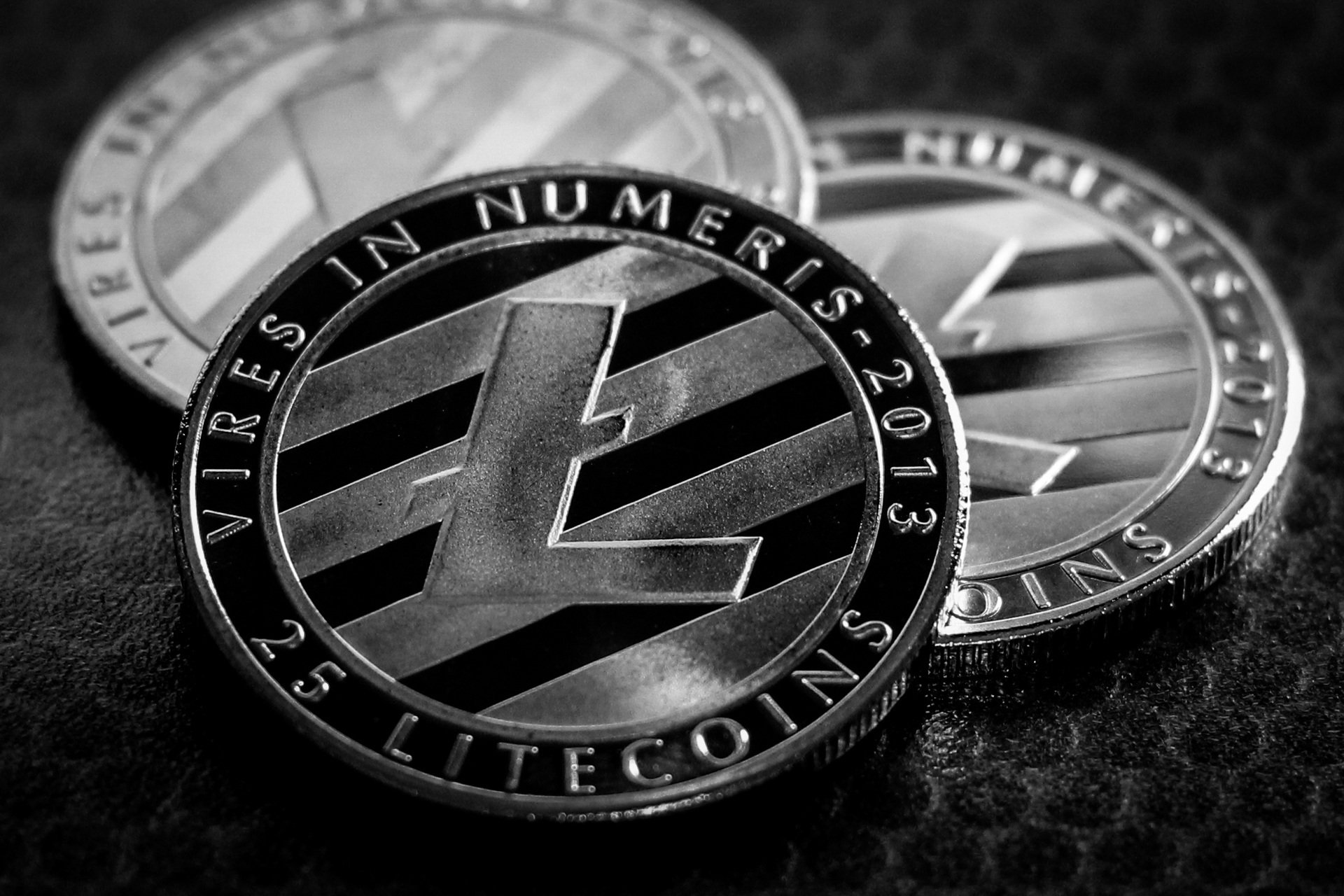
HTX Announces Listing of USDe, Expanding Global Access to Ethena’s Delta-Neutral Synthetic Dollar

“At HTX, we are constantly exploring models that push the boundaries of digital finance,” said Justin Sun, Global Advisor to HTX. “USDe represents a novel approach to the concept of a digital dollar — one that is native to crypto markets and deeply integrated with DeFi. We are pleased to collaborate with Ethena and bring this innovative asset to HTX users worldwide.”

Ethena and the USDe Ecosystem

Ethena is a decentralized finance protocol focused on building a crypto-native, scalable alternative to traditional dollar-denominated money. Its flagship product, USDe, is designed as a synthetic dollar that maintains price stability with limited reliance on direct fiat reserves or traditional banking infrastructure.

Unlike conventional stablecoins backed by cash or government securities, USDe is collateralized by crypto assets and stabilized through a delta-neutral hedging strategy. By holding spot crypto assets while simultaneously opening offsetting short positions in derivatives markets, the protocol aims to neutralize price volatility and maintain a value closely aligned with the U.S. dollar.

The Mechanics Behind USDe

USDe’s delta-neutral design allows it to function differently from traditional stablecoins. Instead of depending on off-chain reserves, its stability is derived from on-chain collateral and risk-managed hedging across liquid derivatives venues. This structure enables USDe to remain fully integrated within the crypto ecosystem while reducing directional market exposure.

Unlocking New Opportunities for HTX Users

Through this listing, HTX users will gain access to a crypto-native dollar asset that is deeply connected to the broader DeFi ecosystem. Users can leverage USDe for trading, portfolio diversification, and participation in on-chain strategies, while also exploring opportunities linked to decentralized lending, liquidity provision, and returns optimization.

In addition, HTX plans to introduce promotional rewards for users who hold USDe or utilize it as derivatives margin collateral. This feature is expected to roll out in a subsequent phase.

This integration strengthens HTX’s role as a gateway between centralized trading infrastructure and decentralized financial innovation, enabling users to engage with emerging DeFi primitives in a familiar and trusted environment.

Elliot Parker, COO of Ethena Labs, commented: “Ethena and HTX partnering to enable users to earn daily rewards on USDe, while also being able to use it as derivatives margin collateral, is an important step in creating further ubiquity & enabling HTX users to enjoy a better form of money to support their trading workflows.”

Looking Ahead

By supporting USDe, HTX continues to position itself at the forefront of digital asset innovation. As the lines between centralized exchanges and DeFi continue to converge, HTX remains focused on empowering users with access to high-quality assets, robust infrastructure, and the next generation of financial tools.

Specific details regarding the USDe listing date and related incentive programs will be announced shortly.

About HTX

Founded in 2013, HTX (formerly Huobi) has evolved from a virtual asset exchange into a comprehensive ecosystem of blockchain businesses that span digital asset trading, financial derivatives, research, investments, incubation, and other businesses.

As a world-leading gateway to Web3, HTX harbors global capabilities that enable it to provide users with safe and reliable services. Adhering to the growth strategy of “Global Expansion, Thriving Ecosystem, Wealth Effect, Security & Compliance,” HTX is dedicated to providing quality services and values to virtual asset enthusiasts worldwide.

To learn more about HTX, please visit https://www.htx.com/ or HTX Square , and follow HTX on X, Telegram, and Discord. For further inquiries, please contact [email protected].

About Ethena

Ethena is a synthetic dollar protocol built on Ethereum that provides a crypto-native solution for money, USDe, alongside a globally accessible dollar savings asset, sUSDe.

Ethena’s synthetic dollar, USDe, provides the crypto-native, scalable solution for money achieved by delta-hedging Bitcoin, Ethereum and other governance-approved spot assets using perpetual and deliverable futures contracts, as well as holding liquid stables such as USDC and USDT.

USDe is fully-backed (subject to the discussion in the Risks section regarding events potentially resulting in loss of backing) and free to compose throughout CeFi & DeFi.


Comments
Disclaimer: The articles reposted on this site are sourced from public platforms and are provided for informational purposes only. They do not necessarily reflect the views of MEXC. All rights remain with the original authors. If you believe any content infringes on third-party rights, please contact [email protected] for removal. MEXC makes no guarantees regarding the accuracy, completeness, or timeliness of the content and is not responsible for any actions taken based on the information provided. The content does not constitute financial, legal, or other professional advice, nor should it be considered a recommendation or endorsement by MEXC.

You May Also Like

Dramatic Spot Crypto ETF Outflows Rock US Market

Dramatic Spot Crypto ETF Outflows Rock US Market

BitcoinWorld Dramatic Spot Crypto ETF Outflows Rock US Market The cryptocurrency market is always buzzing with activity, and recent developments surrounding US spot Bitcoin and Ethereum ETFs have certainly grabbed attention. After a brief period of inflows, these prominent investment vehicles experienced a significant reversal, recording notable Spot Crypto ETF Outflows on September 22. This shift has sparked discussions among investors and analysts alike, prompting a closer look at what drove these movements and their potential implications for the broader digital asset landscape. What Triggered These Dramatic Spot Crypto ETF Outflows? On September 22, both US spot Bitcoin and Ethereum ETFs collectively observed net outflows, effectively ending a two-day streak of positive inflows. This sudden reversal indicates a potential shift in investor sentiment or market dynamics. Understanding the specifics of these Spot Crypto ETF Outflows is crucial for anyone tracking the pulse of the crypto market. Data from Trader T revealed that spot Bitcoin ETFs alone registered total net outflows amounting to $363.17 million. This substantial figure highlights a notable selling pressure across several key funds. Fidelity’s FBTC led the pack with $276.68 million in outflows. Ark Invest’s ARKB followed, seeing $52.30 million depart. Grayscale’s GBTC, a long-standing player, recorded $24.65 million in outflows. VanEck’s HODL also contributed with $9.54 million. Interestingly, BlackRock’s IBIT and several other funds reported zero flows on this particular day, indicating a concentrated selling activity in specific products rather than a market-wide exodus. How Did Ethereum ETFs Respond to the Spot Crypto ETF Outflows? The trend of net outflows wasn’t limited to Bitcoin. Spot Ethereum ETFs also faced considerable pressure, collectively experiencing $76.06 million in net outflows during the same period. This indicates a broader market sentiment affecting both major cryptocurrencies. Fidelity’s FETH accounted for $33.12 million of the outflows. Bitwise’s ETHW saw $22.30 million withdrawn. BlackRock’s ETHA registered $15.19 million in outflows. Grayscale’s Mini ETH contributed $5.45 million to the total. These figures underscore that while Bitcoin ETFs saw larger absolute outflows, Ethereum ETFs also experienced a significant cooling of investor interest. Such synchronized movements often suggest overarching market factors rather than isolated fund-specific issues. What Are the Broader Implications of These Spot Crypto ETF Outflows? The reversal from inflows to substantial Spot Crypto ETF Outflows could signal a few things. It might reflect profit-taking by investors after recent market rallies, or it could indicate a cautious stance due to macroeconomic uncertainties. Moreover, such movements can influence market sentiment, potentially leading to increased volatility in the short term. For investors, monitoring these ETF flows provides valuable insights into institutional and retail sentiment. Significant outflows can sometimes precede price corrections, offering an opportunity for strategic re-evaluation. Conversely, sustained inflows often suggest growing confidence in digital assets. It is important to remember that ETF flows are just one metric among many. A holistic view, considering on-chain data, macroeconomic indicators, and regulatory news, is essential for making informed decisions in the dynamic crypto space. These Spot Crypto ETF Outflows serve as a reminder of the market’s inherent volatility and the need for continuous vigilance. In summary, the recent dramatic Spot Crypto ETF Outflows from US Bitcoin and Ethereum funds mark a notable shift in the investment landscape. While a two-day inflow streak was broken, these movements are a natural part of a maturing market. They highlight the ebb and flow of investor confidence and the dynamic nature of digital asset investments. As the market continues to evolve, keeping a close eye on these ETF trends will remain crucial for understanding broader sentiment and potential future directions. Frequently Asked Questions (FAQs) Q1: What does “net outflows” mean for crypto ETFs? A1: Net outflows occur when investors redeem more shares from an ETF than they purchase, indicating more money is leaving the fund than entering it. Q2: Which US spot Bitcoin ETFs saw the largest outflows? A2: Fidelity’s FBTC led with $276.68 million in outflows, followed by Ark Invest’s ARKB and Grayscale’s GBTC, contributing significantly to the overall Spot Crypto ETF Outflows. Q3: Were Ethereum ETFs also affected by outflows? A3: Yes, US spot Ethereum ETFs experienced $76.06 million in net outflows, with Fidelity’s FETH and Bitwise’s ETHW being major contributors. Q4: What do these Spot Crypto ETF Outflows suggest about market sentiment? A4: They can suggest a shift towards profit-taking, increased caution due to macroeconomic factors, or a temporary cooling of investor interest in digital assets. Did you find this analysis of Spot Crypto ETF Outflows insightful? Share this article with your network on social media to help others understand the latest trends in the crypto ETF market and contribute to informed discussions! To learn more about the latest crypto market trends, explore our article on key developments shaping Bitcoin and Ethereum institutional adoption. This post Dramatic Spot Crypto ETF Outflows Rock US Market first appeared on BitcoinWorld.
Share
Coinstats2025/09/23 10:55
Remittix Success Leads To Rewarding Presale Investors With 300% Bonus – Here’s How To Get Involved

Remittix Success Leads To Rewarding Presale Investors With 300% Bonus – Here’s How To Get Involved

Besides its enormous presale success, Remittix is also extending a 300% bonus to early purchasers. This temporary bonus can be […] The post Remittix Success Leads
Share
Coindoo2026/02/07 16:39
Korean Crypto Exchange Bithumb Accidentally Gives Away Millions in Bitcoin During Promotion

Korean Crypto Exchange Bithumb Accidentally Gives Away Millions in Bitcoin During Promotion

TLDR Bithumb accidentally sent excess Bitcoin to customers during a promotional “Random Box” event in South Korea Some users reportedly received 2,000 BTC ($139
Share
Coincentral2026/02/07 16:39