BitcoinWorld Bitcoin Price Plummets Below $70,000 Threshold as Market Volatility Intensifies Global cryptocurrency markets witnessed a significant shift on TuesdayBitcoinWorld Bitcoin Price Plummets Below $70,000 Threshold as Market Volatility Intensifies Global cryptocurrency markets witnessed a significant shift on Tuesday

Bitcoin Price Plummets Below $70,000 Threshold as Market Volatility Intensifies

2026/02/09 16:55
7 min read
Bitcoin price dropping below $70,000 threshold in cryptocurrency market analysis

BitcoinWorld

Bitcoin Price Plummets Below $70,000 Threshold as Market Volatility Intensifies

Global cryptocurrency markets witnessed a significant shift on Tuesday as the Bitcoin price decisively fell below the critical $70,000 psychological barrier. According to real-time data from Bitcoin World market monitoring, BTC is currently trading at $69,996 on the Binance USDT perpetual futures market, marking a notable retreat from recent highs and triggering widespread analysis among traders and institutional observers. This movement represents a pivotal moment in the current market cycle, prompting examination of underlying factors and potential implications for the broader digital asset ecosystem.

Bitcoin Price Movement and Immediate Market Context

The descent below $70,000 follows several weeks of consolidation within a relatively narrow trading range. Market analysts immediately began scrutinizing order book data from major exchanges. They observed increased selling pressure during the Asian trading session. Consequently, liquidity thinned around key support levels. This development represents the first sustained break below $70,000 since early November, according to historical price charts from CoinMarketCap and TradingView. Furthermore, the move coincided with a slight strengthening of the US Dollar Index (DXY), which often exhibits an inverse correlation with risk assets like Bitcoin.

Technical indicators provided additional context for the Bitcoin price action. The 50-day simple moving average, previously acting as dynamic support, was breached during the decline. Trading volume spiked approximately 35% above the 30-day average during the downward move, as reported by CryptoQuant on-chain analytics. This suggests genuine selling interest rather than mere market noise. Several blockchain analytics firms noted an increase in coin movement from older wallets to exchanges, a metric often associated with profit-taking or portfolio rebalancing by long-term holders.

Comparative Analysis with Previous Corrections

Historical data reveals important patterns when examining this Bitcoin price movement. The table below compares key metrics of recent corrections exceeding 5% from local highs:

PeriodPeak PriceCorrection LowDrawdown %Recovery Days
March 2024$73,777$60,800-17.6%24
September 2023$28,500$24,900-12.6%18
Current Move$71,980$69,996*-2.8%Ongoing

*Price at time of reporting. This comparative framework helps contextualize the current pullback within the broader market structure. Notably, the magnitude remains relatively contained compared to historical volatility standards for the asset class.

Fundamental Drivers Behind the Cryptocurrency Market Shift

Multiple interconnected factors typically influence Bitcoin price dynamics. Market participants and research desks have pointed to several plausible catalysts for the current movement. First, macroeconomic sentiment has shifted slightly, with renewed focus on Federal Reserve policy statements regarding interest rate trajectories. Second, on-chain data from Glassnode indicates a decrease in the net unrealized profit/loss (NUPL) metric, signaling that a higher proportion of the Bitcoin supply is now held at a loss compared to last week. This often precedes periods of consolidation or further downside as weak hands are shaken out.

Key on-chain and derivatives metrics observed during the decline include:

  • Exchange Net Flow: A net inflow of approximately 8,000 BTC to centralized exchanges over 24 hours, per CryptoQuant.
  • Funding Rates: Positive but declining funding rates on major perpetual swap markets, indicating reduced leverage longing.
  • MVRV Z-Score: A decrease from elevated levels, suggesting market value is moving closer to realized value.
  • Options Skew: Put option demand increased modestly, reflecting heightened hedging activity.

Simultaneously, the broader cryptocurrency market often moves in correlation with Bitcoin. Major altcoins like Ethereum (ETH), Solana (SOL), and Cardano (ADA) also experienced declines, though with varying magnitudes. This underscores Bitcoin’s continued role as the market bellwether. Regulatory developments, while not directly cited for this specific move, remain a persistent background factor influencing institutional allocation decisions.

Expert Perspectives on Market Structure

Leading analysts from firms like Arcane Research and IntoTheBlock have provided data-driven commentary. They emphasize that such corrections are statistically normal within bull market cycles. Historical volatility analysis shows that 5-10% weekly drawdowns occurred frequently during the 2017 and 2021 bull markets. The current implied volatility, while elevated, remains within the expected range for this phase of the market cycle, according to Deribit Bitcoin volatility index data. Furthermore, the fundamental thesis for Bitcoin, including its fixed supply schedule and adoption metrics, remains unchanged by short-term price action.

Potential Impacts and Trader Sentiment Analysis

The break below $70,000 has immediate implications for market participants. Derivatives traders are closely monitoring liquidation levels. Data from Coinglass shows that approximately $120 million in long positions were liquidated across exchanges during the initial drop. However, this is significantly lower than liquidation events seen during more severe corrections, suggesting overall leverage in the system is relatively contained. Spot market volumes on platforms like Binance, Coinbase, and Kraken increased steadily, indicating active two-way trading rather than a panic-driven exodus.

Institutional flows, as tracked by fund products like the Grayscale Bitcoin Trust (GBTC) and various exchange-traded products (ETPs) in Europe and Canada, showed mixed signals. Daily net flows turned slightly negative in some products, while others maintained steady accumulation. This divergence suggests differing views among institutional cohorts. Meanwhile, the options market is pricing in a higher probability of range-bound trading in the near term, with a concentration of open interest now centered around the $65,000 to $75,000 strike prices for monthly expiries.

Conclusion

The Bitcoin price movement below $70,000 serves as a reminder of the asset’s inherent volatility and the dynamic nature of cryptocurrency markets. While the break of a key psychological level captures attention, the underlying market structure, on-chain fundamentals, and macroeconomic context provide a more complete picture. Historical patterns suggest such corrections are integral to healthy market cycles. Market participants will now watch for whether this level becomes resistance or if underlying bid support emerges to reclaim it. The evolution of the Bitcoin price in the coming sessions will offer further evidence of market strength and trader conviction.

FAQs

Q1: What does Bitcoin falling below $70,000 mean for the overall market trend?
While breaking a key level, a single day’s movement does not define a trend. Analysts assess trends using weekly and monthly closes, alongside volume and on-chain data. The overall bull market structure remains intact unless significant support zones near $60,000 are breached.

Q2: How does this price drop compare to previous Bitcoin corrections?
The current drawdown is relatively modest historically. Bull markets in 2017 and 2021 experienced multiple corrections exceeding 20-30%. The current move, at under 3% from the recent high, falls within the range of normal market volatility for Bitcoin.

Q3: Should investors be concerned about this price movement?
Short-term volatility is expected in cryptocurrency markets. Long-term investors typically focus on fundamental adoption metrics, such as network hash rate, active addresses, and institutional inflows, rather than daily price fluctuations. Diversification and risk management are always recommended.

Q4: What are the main technical levels to watch now?
Traders are monitoring the previous resistance-turned-support zone around $68,500, followed by the 50-day and 200-day moving averages. On the upside, reclaiming $71,500 and then $73,000 would be needed to signal a resumption of the prior uptrend.

Q5: Did any specific news event cause this Bitcoin price decline?
No single, definitive news catalyst has been identified. The move appears driven by a combination of technical factors, profit-taking after a strong rally, and slight shifts in broader market risk sentiment, particularly regarding interest rate expectations.

This post Bitcoin Price Plummets Below $70,000 Threshold as Market Volatility Intensifies first appeared on BitcoinWorld.

Market Opportunity
Bitcoin Logo
Bitcoin Price(BTC)
$68,819.39
$68,819.39$68,819.39
+0.17%
USD
Bitcoin (BTC) Live Price Chart
Disclaimer: The articles reposted on this site are sourced from public platforms and are provided for informational purposes only. They do not necessarily reflect the views of MEXC. All rights remain with the original authors. If you believe any content infringes on third-party rights, please contact [email protected] for removal. MEXC makes no guarantees regarding the accuracy, completeness, or timeliness of the content and is not responsible for any actions taken based on the information provided. The content does not constitute financial, legal, or other professional advice, nor should it be considered a recommendation or endorsement by MEXC.

You May Also Like

Disney (DIS) Stock Takes Hit as Kimmel Controversy Rocks ABC Network

Disney (DIS) Stock Takes Hit as Kimmel Controversy Rocks ABC Network

TLDR Disney stock dropped 1.9% over the week, closing at $113.76 down from $115.96 high ABC suspended Jimmy Kimmel’s show after controversial remarks, sparking immediate market reaction Streaming segment turned profitable with ESPN partnerships driving growth Traditional TV division continues facing subscriber decline challenges Analysts maintain positive outlook with $5.85 EPS guidance for full year [...] The post Disney (DIS) Stock Takes Hit as Kimmel Controversy Rocks ABC Network appeared first on CoinCentral.
Share
Coincentral2025/09/21 22:09
Crypto in Drug Cases: South Korea Deploys Elite Unit to Combat Illicit Trade
Crypto in Drug Cases: South Korea Deploys Elite Unit to Combat Illicit Trade

BitcoinWorld Crypto in Drug Cases: South Korea Deploys Elite Unit to Combat Illicit Trade The digital age has brought remarkable innovations, but it has also presented new challenges for law enforcement worldwide. One significant concern is the alarming rise of crypto in drug cases, transforming how illicit transactions occur globally. South Korea, a nation at the forefront of technological adoption, is now taking decisive action to combat this growing threat, signaling a crucial shift in its approach to digital crime. Why the Surge in Crypto in Drug Cases? Why are criminals increasingly turning to virtual assets for drug deals? The answer lies in several factors that make cryptocurrencies an attractive, albeit deceptive, tool for illicit activities. These digital currencies offer perceived advantages that traditional payment methods often lack, making them a preferred choice for illegal transactions. Perceived Anonymity: While not truly anonymous, cryptocurrencies offer a layer of pseudonymity that can complicate tracing transactions for the untrained eye. Global Reach: Digital currencies enable cross-border payments with relative ease and speed, significantly facilitating international drug trafficking networks. Speed and Efficiency: Transactions can be processed quickly, often bypassing traditional banking hurdles and regulatory oversight, which is appealing to criminals. This shift has led to a noticeable surge in drug offenses, particularly among younger demographics, from teenagers to individuals in their thirties. The ease of online procurement, coupled with the perceived security of crypto payments, creates a complex landscape for authorities striving to curb the proliferation of crypto in drug cases. South Korea’s Dedicated Response: An Elite Virtual Asset Team In response to this escalating crisis, South Korean police are making a significant strategic move. They will be assigning all 41 of their newly recruited narcotics investigators for the latter half of the year to a specialized virtual asset team. This dedicated unit signifies a robust commitment to addressing the sophisticated nature of crimes involving crypto in drug cases. It’s a clear signal that traditional investigative methods alone are no longer sufficient to tackle the intricacies of digital financial crime. This proactive step underscores the gravity of the situation and the necessity for specialized expertise. By concentrating resources and talent, South Korean law enforcement aims to develop a cutting-edge capability to navigate the complex world of virtual assets and their misuse in criminal enterprises. How Will This Elite Unit Tackle Crypto in Drug Cases? What exactly will these 41 specialists do? Their mandate is comprehensive and multi-faceted, focusing on disrupting the entire financial flow of drug-related crimes. Their efforts will extend beyond simple arrests, targeting the very infrastructure that enables these illicit operations. Tracking Illicit Virtual Assets: The team will employ advanced forensic tools and techniques to follow the digital breadcrumbs left by cryptocurrency transactions, no matter how obscured. Cracking Down and Confiscating: Beyond tracking, their goal is to actively seize and confiscate illicit virtual assets, effectively cutting off funding for criminal enterprises and recovering proceeds for the state. Investigating Payment Gateway Operators: Many online drug deals rely on specific payment services that facilitate crypto transactions. The unit will target these operators to dismantle the infrastructure supporting illegal trade. Combating Money Laundering: A crucial part of their work will involve investigating organizations that launder criminal proceeds, aiming to block funds and recover assets for the state. This proactive approach aims not only to apprehend offenders but also to cripple the financial networks that enable the proliferation of crypto in drug cases, making it harder for criminals to profit from their illegal activities. Broader Implications and the Road Ahead This initiative by South Korean police holds significant implications, not just for domestic law enforcement but potentially as a model for international cooperation in combating digital crime. By developing specialized expertise in virtual asset forensics, South Korea is positioning itself to effectively combat modern illicit trade. The recovery of criminal proceeds is vital, not only for justice but also to deter future illicit activities by making crime less profitable. This specialized team represents a critical investment in the future of digital security and public safety. It ensures that the benefits of technological advancement are not overshadowed by its misuse in criminal endeavors, particularly concerning drug trafficking and its impact on younger generations. The deployment of South Korea’s elite virtual asset team is a testament to the evolving landscape of crime and law enforcement. As crypto in drug cases continues to pose a significant challenge, specialized units like this are essential to protect communities, especially younger generations, from the devastating impact of drug trafficking. It’s a proactive, informed, and necessary step towards a safer digital future where accountability extends into the virtual realm. Frequently Asked Questions (FAQs) 1. What is the main reason South Korean police are deploying this new team? South Korean police are deploying this new team primarily in response to a significant surge in the use of cryptocurrency as the primary payment method for online drug deals and a rise in drug offenses among people in their 10s to 30s. 2. How many new officers are being assigned to the virtual asset team? All 41 of the new narcotics investigators recruited for the second half of the year will be assigned to this dedicated virtual asset team. 3. What specific tasks will the new virtual asset team undertake? The team’s mandate includes tracking, cracking down on, and confiscating illicit virtual assets. They will also investigate illegal payment gateway operators and money laundering organizations to block fund flow and recover criminal proceeds. 4. Why are criminals increasingly using cryptocurrency for drug deals? Criminals use cryptocurrency due to its perceived anonymity, global reach for easy cross-border payments, and the speed and efficiency of transactions, which can bypass traditional banking hurdles. 5. What is the broader goal of this initiative beyond just arresting individuals? The broader goal is to cripple the financial networks that enable drug trafficking, recover criminal proceeds, and dismantle the infrastructure supporting illicit virtual asset transactions, thereby deterring future criminal activities. Found this article insightful? Share it with your network to spread awareness about the global efforts to combat crypto in drug cases and the evolving strategies in digital law enforcement. Your shares help inform others and highlight the importance of these initiatives. To learn more about the latest cryptocurrency regulations and their impact, explore our article on key developments shaping digital asset security and law enforcement efforts. This post Crypto in Drug Cases: South Korea Deploys Elite Unit to Combat Illicit Trade first appeared on BitcoinWorld.
Share
Coinstats2025/09/22 14:45
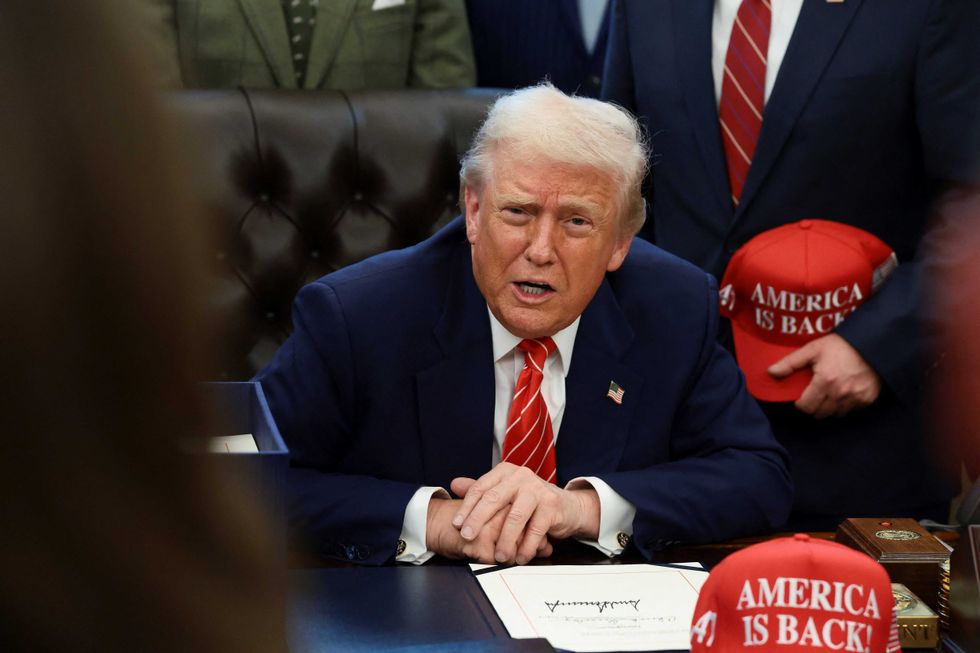
Trump's grasp on GOP slips as nervous Republicans privately take on White House: report

Trump's grasp on GOP slips as nervous Republicans privately take on White House: report

White House insiders said this week that President Donald Trump and his closest allies are in turmoil trying to keep House Republicans from jumping ship — and it
Share
Rawstory2026/02/14 10:55