Ask most crypto users about governance, and you’ll get a shrug. Voting feels abstract, slow, and disconnected from everyday use of the protocol. Proposals are written like legal briefs. Turnout is abysmal. For a space obsessed with “community,” governance often feels more like filing taxes than shaping the future of the network. But what if governance felt like a game? Not in the trivial sense of turning votes into leaderboards or airdropping badges for showing up, those are shallow skins. I mean governance as a lived, playable system: one where mechanics, feedback loops, and incentives mirror the dynamics of a multiplayer game. The Problem: Governance as Homework Current on-chain governance designs assume participation = duty. You stake, you delegate, you read the forums, you vote. It’s a moral responsibility more than an engaging activity. The trouble is: duty doesn’t scale. People optimize for convenience, not civic virtue. That’s why most users passively delegate, and a handful of whales set direction. If participation feels like homework, it’s rational to skip class. The Shift: Governance as a Playable System Games thrive because they’re designed around feedback: you act, the system responds immediately, and your choices have visible consequences. Governance could borrow this logic. Progression mechanics: Voting earns XP toward new roles — not just cosmetic, but unlocking different governance powers. Dynamic arenas: Instead of every vote looking the same, high-stakes proposals could play out in unique formats — multi-round decisions, alliances, or even simulations. Narratives: Protocol decisions aren’t just numbers. They’re part of an evolving story — “This DAO is pivoting from stability to growth” — and players (voters) shape the arc. The idea isn’t to trivialize governance. It’s to recognize that humans engage when systems feel alive, responsive, and participatory. The Risk: When Games Corrupt Play Of course, games can also distort. If governance becomes too gamified, you risk replacing civic engagement with dopamine loops. Players might vote not because they care, but because they’re chasing XP or leaderboard status. Worse, gaming mechanics can be exploited: coordinated guilds farming governance rewards, whales buying influence disguised as “progression.” The challenge isn’t adding points and badges. It’s designing meaningful play mechanics that deepen engagement without hollowing out legitimacy. The Future: Playable Politics Imagine a future where joining a protocol feels like joining a guild in an MMO. You start small — a foot soldier voting on micro-decisions. Over time, your contributions, consistency, and alignment with community goals level you up into more influential roles. Governance ceases to be a burden and becomes a living arena where decisions are experienced, not just recorded. This doesn’t mean turning DeFi into Candy Crush. It means treating governance as design: balancing fairness, incentives, feedback, and narrative. In a world where most protocols struggle to get 5% turnout, maybe the radical path forward is not another governance framework PDF — but a game worth playing. What if Governance Felt Like a Game? was originally published in Coinmonks on Medium, where people are continuing the conversation by highlighting and responding to this storyAsk most crypto users about governance, and you’ll get a shrug. Voting feels abstract, slow, and disconnected from everyday use of the protocol. Proposals are written like legal briefs. Turnout is abysmal. For a space obsessed with “community,” governance often feels more like filing taxes than shaping the future of the network. But what if governance felt like a game? Not in the trivial sense of turning votes into leaderboards or airdropping badges for showing up, those are shallow skins. I mean governance as a lived, playable system: one where mechanics, feedback loops, and incentives mirror the dynamics of a multiplayer game. The Problem: Governance as Homework Current on-chain governance designs assume participation = duty. You stake, you delegate, you read the forums, you vote. It’s a moral responsibility more than an engaging activity. The trouble is: duty doesn’t scale. People optimize for convenience, not civic virtue. That’s why most users passively delegate, and a handful of whales set direction. If participation feels like homework, it’s rational to skip class. The Shift: Governance as a Playable System Games thrive because they’re designed around feedback: you act, the system responds immediately, and your choices have visible consequences. Governance could borrow this logic. Progression mechanics: Voting earns XP toward new roles — not just cosmetic, but unlocking different governance powers. Dynamic arenas: Instead of every vote looking the same, high-stakes proposals could play out in unique formats — multi-round decisions, alliances, or even simulations. Narratives: Protocol decisions aren’t just numbers. They’re part of an evolving story — “This DAO is pivoting from stability to growth” — and players (voters) shape the arc. The idea isn’t to trivialize governance. It’s to recognize that humans engage when systems feel alive, responsive, and participatory. The Risk: When Games Corrupt Play Of course, games can also distort. If governance becomes too gamified, you risk replacing civic engagement with dopamine loops. Players might vote not because they care, but because they’re chasing XP or leaderboard status. Worse, gaming mechanics can be exploited: coordinated guilds farming governance rewards, whales buying influence disguised as “progression.” The challenge isn’t adding points and badges. It’s designing meaningful play mechanics that deepen engagement without hollowing out legitimacy. The Future: Playable Politics Imagine a future where joining a protocol feels like joining a guild in an MMO. You start small — a foot soldier voting on micro-decisions. Over time, your contributions, consistency, and alignment with community goals level you up into more influential roles. Governance ceases to be a burden and becomes a living arena where decisions are experienced, not just recorded. This doesn’t mean turning DeFi into Candy Crush. It means treating governance as design: balancing fairness, incentives, feedback, and narrative. In a world where most protocols struggle to get 5% turnout, maybe the radical path forward is not another governance framework PDF — but a game worth playing. What if Governance Felt Like a Game? was originally published in Coinmonks on Medium, where people are continuing the conversation by highlighting and responding to this story

What if Governance Felt Like a Game?

2025/09/05 12:55
3 min read

Ask most crypto users about governance, and you’ll get a shrug. Voting feels abstract, slow, and disconnected from everyday use of the protocol. Proposals are written like legal briefs.

Turnout is abysmal. For a space obsessed with “community,” governance often feels more like filing taxes than shaping the future of the network.

But what if governance felt like a game?

Not in the trivial sense of turning votes into leaderboards or airdropping badges for showing up, those are shallow skins. I mean governance as a lived, playable system: one where mechanics, feedback loops, and incentives mirror the dynamics of a multiplayer game.

The Problem: Governance as Homework

Current on-chain governance designs assume participation = duty. You stake, you delegate, you read the forums, you vote. It’s a moral responsibility more than an engaging activity.

The trouble is: duty doesn’t scale. People optimize for convenience, not civic virtue. That’s why most users passively delegate, and a handful of whales set direction.

If participation feels like homework, it’s rational to skip class.

The Shift: Governance as a Playable System

Games thrive because they’re designed around feedback: you act, the system responds immediately, and your choices have visible consequences. Governance could borrow this logic.

  • Progression mechanics: Voting earns XP toward new roles — not just cosmetic, but unlocking different governance powers.
  • Dynamic arenas: Instead of every vote looking the same, high-stakes proposals could play out in unique formats — multi-round decisions, alliances, or even simulations.
  • Narratives: Protocol decisions aren’t just numbers. They’re part of an evolving story — “This DAO is pivoting from stability to growth” — and players (voters) shape the arc.

The idea isn’t to trivialize governance. It’s to recognize that humans engage when systems feel alive, responsive, and participatory.

The Risk: When Games Corrupt Play

Of course, games can also distort. If governance becomes too gamified, you risk replacing civic engagement with dopamine loops. Players might vote not because they care, but because they’re chasing XP or leaderboard status.

Worse, gaming mechanics can be exploited: coordinated guilds farming governance rewards, whales buying influence disguised as “progression.”

The challenge isn’t adding points and badges. It’s designing meaningful play mechanics that deepen engagement without hollowing out legitimacy.

The Future: Playable Politics

Imagine a future where joining a protocol feels like joining a guild in an MMO. You start small — a foot soldier voting on micro-decisions. Over time, your contributions, consistency, and alignment with community goals level you up into more influential roles.

Governance ceases to be a burden and becomes a living arena where decisions are experienced, not just recorded. This doesn’t mean turning DeFi into Candy Crush. It means treating governance as design: balancing fairness, incentives, feedback, and narrative.

In a world where most protocols struggle to get 5% turnout, maybe the radical path forward is not another governance framework PDF — but a game worth playing.


What if Governance Felt Like a Game? was originally published in Coinmonks on Medium, where people are continuing the conversation by highlighting and responding to this story.

Market Opportunity
SQUID MEME Logo
SQUID MEME Price(GAME)
$38.8836
$38.8836$38.8836
-8.16%
USD
SQUID MEME (GAME) Live Price Chart
Disclaimer: The articles reposted on this site are sourced from public platforms and are provided for informational purposes only. They do not necessarily reflect the views of MEXC. All rights remain with the original authors. If you believe any content infringes on third-party rights, please contact [email protected] for removal. MEXC makes no guarantees regarding the accuracy, completeness, or timeliness of the content and is not responsible for any actions taken based on the information provided. The content does not constitute financial, legal, or other professional advice, nor should it be considered a recommendation or endorsement by MEXC.

You May Also Like

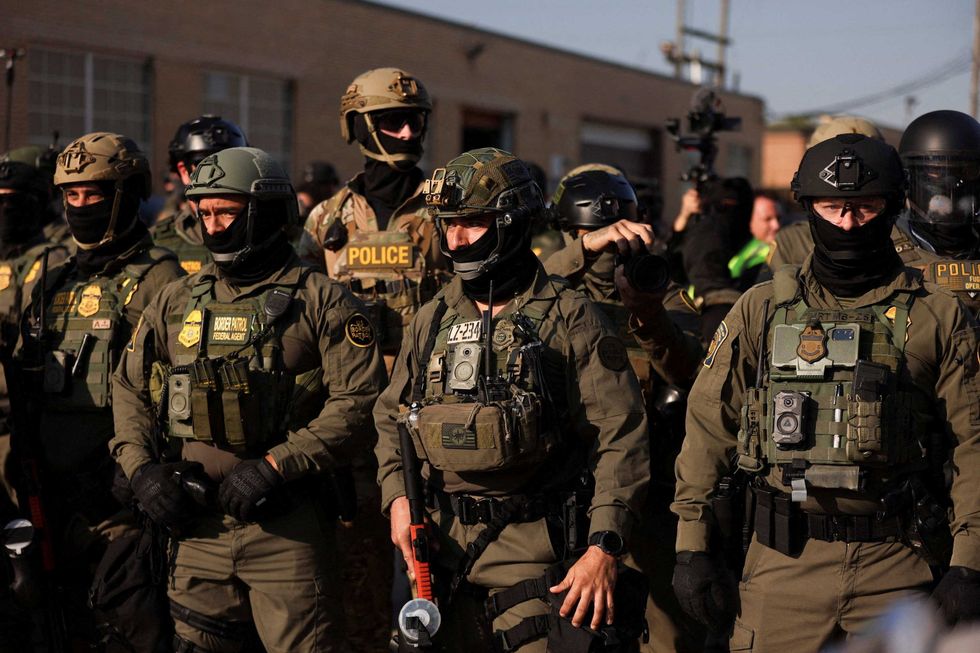
Woman shot 5 times by DHS to stare down Trump at State of the Union address

Woman shot 5 times by DHS to stare down Trump at State of the Union address

A House Democrat has invited Marimar Martinez to attend President Donald Trump's State of the Union address in Washington, D.C., after she was shot by Customs and
Share
Rawstory2026/02/06 03:36
What is Play-to-Earn Gaming? Unlocking New Possibilities

What is Play-to-Earn Gaming? Unlocking New Possibilities

The post What is Play-to-Earn Gaming? Unlocking New Possibilities appeared on BitcoinEthereumNews.com. The Play-to-Earn (P2E) model is playing a key role in the advancement of the crypto industry. Users are able to earn crypto by playing games and get involved with global communities of gamers, creators, and developers. In this article, we’ll explore the functionalities of P2E gaming, its core features, potential risks, benefits, legal issues, and highlight some of the most impactful games shaping the Web3 gaming frontier.  What is Play-to-Earn Gaming? As its name implies, you gain rewards for playing the game. Players in Play-to-Earn games get involved with blockchain networks and can receive crypto assets or NFTs as prizes. The assets you acquire can be sold, traded or kept as an investment to see if their value rises. In Axie Infinity, players gathered and combated Axies, which are fantastical creatures. The game gave players SLP, a coin that works the same as money and could be traded for fiat currencies or other coins. Due to its success, it has grown into a more advanced and eco-friendly economy on current gaming platforms. How P2E Works? Most P2E gaming relies on Ethereum and Layer 2 networks, including Immutable, Ronin, and Base. Users are given both tokens and NFTs for accomplishing various game goals, such as: Completing missions or winning battles Trading or crafting in-game items Participating in tournaments or community events Staking assets or voting in DAOs The main difference between P2E games and traditional ones is that players can truly own what they earn in the game. Weapons, land, avatars, and resources on the Web3 game are tokenized, enabling you to trade or transfer them elsewhere. For example, users in Decentraland are able to purchase virtual land as NFTs, set up experiences and earn money from events or the services they provide. They are different from other items since they…
Share
BitcoinEthereumNews2025/09/19 21:33
DBS Partners With Franklin Templeton and Ripple for Tokenized Lending Platform

DBS Partners With Franklin Templeton and Ripple for Tokenized Lending Platform

TLDR DBS Digital Exchange, Franklin Templeton, and Ripple signed a memorandum of understanding to launch tokenized trading and lending services on the XRP Ledger DBS will list Franklin Templeton’s sgBENJI token alongside Ripple’s RLUSD stablecoin, allowing real-time swaps for institutional investors The partnership enables portfolio rebalancing and yield generation during volatile market conditions through tokenized [...] The post DBS Partners With Franklin Templeton and Ripple for Tokenized Lending Platform appeared first on CoinCentral.
Share
Coincentral2025/09/18 17:06