

Most People Walked Past It, But One Person Stopped — Why This Moment Reveals the Real Future of Crypto
In the fast-moving world of crypto, most people focus on price charts, market volatility, and the next trending coin. Yet sometimes the most important insight about the future of blockchain comes from a much simpler realization. Most people walk past it. One person stops. That alone already creates the difference.
The reflection does not lie. It reveals exactly who you are in relation to what you are standing next to. In the blockchain ecosystem, this metaphor is surprisingly accurate. The industry often claims massive adoption numbers, millions of wallets, and rapidly expanding user bases. But behind those numbers lies a fundamental question that still challenges the entire sector: who are the real users?
For more than a decade, blockchain technology has thrived on anonymity. Anyone can create a wallet in seconds. No identification is required. A single individual can control hundreds or even thousands of accounts. This structure helped crypto grow quickly because it removed barriers and allowed anyone with internet access to participate. However, the same openness also created one of the biggest unsolved problems in Web3.
Most blockchain networks do not truly know who their users are.
This reality has far-reaching consequences. When user identity is unclear, network metrics can become misleading. Wallet counts may look impressive, but they often do not represent unique individuals. Automated bots can generate thousands of addresses. Reward systems can be exploited by scripts designed to farm tokens. Some projects even see inflated participation numbers due to duplicate accounts or automated interactions.
In other words, the appearance of growth does not always equal real adoption.
The crypto industry has long recognized this issue, but solving it without compromising decentralization has proven extremely difficult. Traditional internet platforms solve identity verification by collecting personal data. Social media companies, online payment platforms, and large technology firms build massive databases of user information. While this approach confirms that each account belongs to a real person, it also creates centralized control and raises privacy concerns.
Blockchain technology was designed to move away from that model. Decentralization means removing central authorities and allowing networks to function without relying on a single controlling entity. Yet this creates a paradox. How can a decentralized network confirm that participants are real humans while still protecting privacy and maintaining openness?
This challenge is becoming increasingly important as Web3 evolves.
Many decentralized applications depend on fair distribution systems. Governance models rely on community voting. Reward structures are designed to incentivize participation. But when bots and duplicate accounts enter the system, the balance begins to shift. Decisions may no longer represent genuine community consensus. Token distributions can become skewed toward those who exploit automation rather than those who contribute real value.
As a result, the future of crypto may depend on solving what experts often call the “proof of personhood” problem. The concept refers to creating systems that verify each participant as a unique human without exposing sensitive personal information.
Several blockchain projects have begun experimenting with different approaches. Some focus on decentralized identity frameworks. Others explore biometric verification combined with cryptographic security. A few initiatives attempt to use social trust networks where existing users verify new participants. Each model has strengths and weaknesses, but the search for a scalable solution continues.
This is where discussions around networks such as Pi Network often emerge within the broader crypto conversation.
Pi Network introduced a model that attempts to combine accessibility with human verification. Instead of relying solely on anonymous wallet creation, the ecosystem emphasizes real user participation through community structures and verification processes. Supporters argue that this approach could help address one of Web3’s most persistent challenges: ensuring that network growth represents actual people rather than automated systems.
While debates about the effectiveness of different verification mechanisms continue, the underlying issue remains clear. A decentralized network built for billions of users cannot rely entirely on anonymous accounts if it aims to maintain fairness and meaningful participation.
The question is no longer whether the problem exists. The question is how the industry will solve it.
In many ways, the crypto space today resembles an early stage of the internet. During the 1990s, websites counted page views as the primary measure of success. Over time, the digital economy realized that deeper metrics such as active users, engagement, and verified identities were far more valuable indicators of real growth.
 |
| Source: Xpost |
Blockchain networks may be entering a similar transition.
Investors, developers, and communities are starting to look beyond simple wallet counts. They want to know how many real individuals actively participate in a network. They want to measure genuine engagement rather than automated activity. They want to build ecosystems where governance, rewards, and economic opportunities are distributed fairly among humans rather than dominated by bots.
Achieving this goal will require technological innovation as well as philosophical clarity. Developers must design systems that respect privacy while still enabling trust. Communities must balance openness with mechanisms that prevent exploitation. Regulators may also influence how identity solutions evolve, especially as crypto becomes more integrated with global financial systems.
The outcome of this evolution could shape the next chapter of Web3.
If blockchain networks succeed in building reliable systems that confirm real human participation without sacrificing decentralization, the impact could extend far beyond crypto markets. It could transform digital identity, online governance, decentralized finance, and the way global communities coordinate on the internet.
But if the industry fails to solve the issue, the risks remain significant. Bots and automated actors could continue to distort network data. Token distributions could become increasingly concentrated. Governance systems might struggle to represent authentic communities.
The reflection, as the metaphor suggests, will reveal the truth.
When someone stops and looks closely, the difference becomes clear. Numbers alone do not define success. Real people do.
For the crypto ecosystem, this realization may mark one of the most important turning points yet. The next generation of blockchain networks will not only compete on speed, scalability, or transaction costs. They will compete on something far more fundamental: the ability to build decentralized systems designed for real human participation.
And perhaps that is why the moment matters.
Most people walk past the deeper question. A few stop and examine it carefully. In the long run, those who pause to understand the problem may be the ones shaping the future of Crypto, Coin innovation, Picoin ecosystems, Web3 infrastructure, and the broader evolution of Pi Network in the global digital economy.
hokanews – Not Just Crypto News. It’s Crypto Culture.
Writer @Victoria
Victoria Hale is a pioneering force in the Pi Network and a passionate blockchain enthusiast. With firsthand experience in shaping and understanding the Pi ecosystem, Victoria has a unique talent for breaking down complex developments in Pi Network into engaging and easy-to-understand stories. She highlights the latest innovations, growth strategies, and emerging opportunities within the Pi community, bringing readers closer to the heart of the evolving crypto revolution. From new features to user trend analysis, Victoria ensures every story is not only informative but also inspiring for Pi Network enthusiasts everywhere.
Disclaimer:
The articles on HOKANEWS are here to keep you updated on the latest buzz in crypto, tech, and beyond—but they’re not financial advice. We’re sharing info, trends, and insights, not telling you to buy, sell, or invest. Always do your own homework before making any money moves.
HOKANEWS isn’t responsible for any losses, gains, or chaos that might happen if you act on what you read here. Investment decisions should come from your own research—and, ideally, guidance from a qualified financial advisor. Remember: crypto and tech move fast, info changes in a blink, and while we aim for accuracy, we can’t promise it’s 100% complete or up-to-date.
Stay curious, stay safe, and enjoy the ride!
You May Also Like

Pundit: With the Tech Behind XRP, Why Can’t People See $1,000 or $10,000?
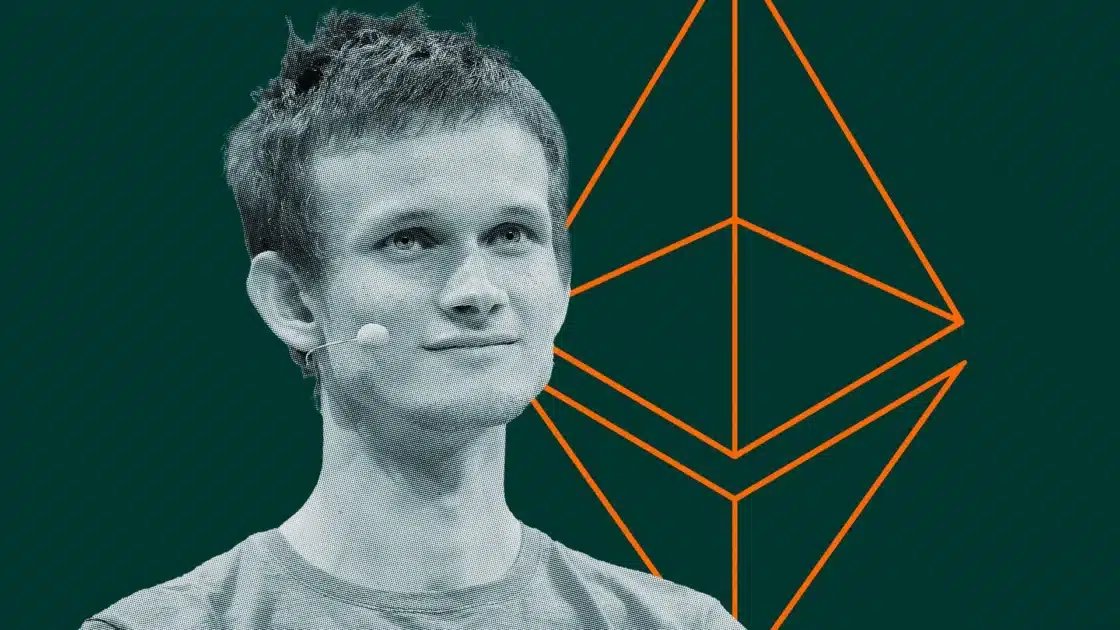
Vitalik Buterin Reveals Ethereum’s Bold Plan to Stay Quantum-Secure and Simple!
