Phantom Wallet Outage Sparks Concern: Service Disruption Causes Widespread Price and Balance Display Errors
BitcoinWorld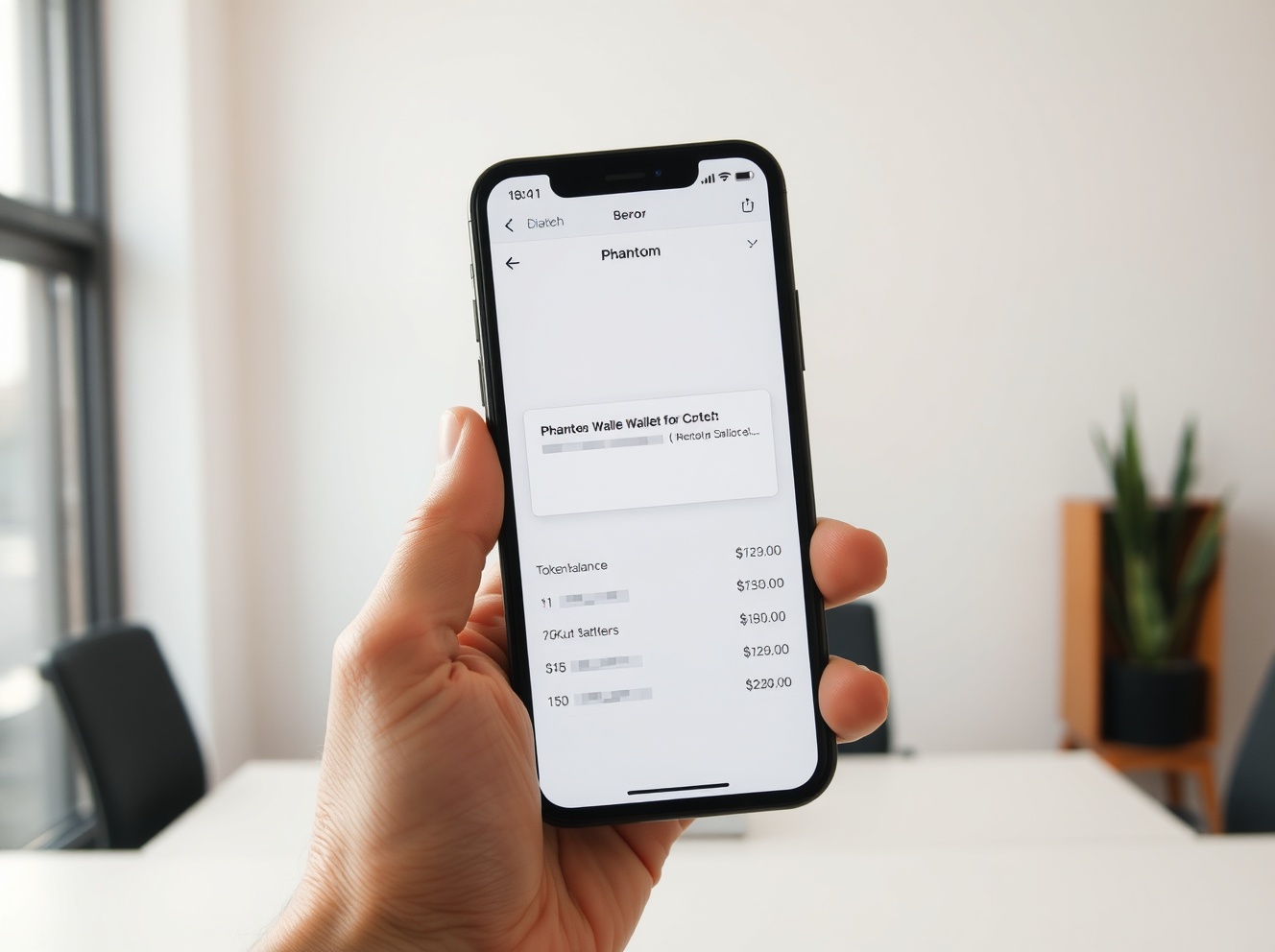
Phantom Wallet Outage Sparks Concern: Service Disruption Causes Widespread Price and Balance Display Errors
The popular cryptocurrency wallet Phantom experienced a significant service disruption today, causing widespread errors in token price displays and balance calculations for thousands of users across multiple blockchain networks. This technical outage highlights the critical infrastructure role wallet services play in the decentralized finance ecosystem and raises important questions about user experience during such failures. According to the company’s official communication via social media platform X, engineers are actively working to resolve the issue and restore normal functionality as quickly as possible.
Phantom Wallet Outage Details and Immediate Impact
Phantom’s service interruption began during peak trading hours in multiple time zones, affecting users primarily on the Solana and Ethereum networks. The company confirmed the outage through its official X account, stating that users might encounter incorrect token valuations and inaccurate balance information. Consequently, this disruption prevented normal wallet operations including transaction initiation and portfolio tracking. Many users reported seeing zero balances or frozen price data across various decentralized applications connected to their Phantom wallets. Meanwhile, the company emphasized that user funds remained secure on the blockchain despite the display errors.
Service outages in cryptocurrency infrastructure typically follow recognizable patterns. First, initial user reports surface on social media platforms and community forums. Then, the affected company acknowledges the issue through official channels. Finally, technical teams implement fixes while providing periodic updates. Phantom followed this exact protocol during today’s incident. The company maintained transparent communication throughout the disruption, which helped mitigate user anxiety. However, the timing during active market hours amplified concerns among traders and investors who rely on accurate real-time data.
Technical Analysis of Wallet Service Disruptions
Cryptocurrency wallet services like Phantom depend on complex backend systems to function properly. These systems aggregate data from multiple blockchain networks and external price feeds. When one component fails, it can create cascading errors throughout the entire service. Specifically, Phantom’s outage appears to involve its data aggregation layer rather than its core security architecture. This distinction is crucial because it means private keys and transaction signing capabilities likely remained intact. Nevertheless, the display errors created significant confusion among users who couldn’t verify their actual portfolio values.
Infrastructure Vulnerabilities in Decentralized Ecosystems
Blockchain security experts consistently emphasize the importance of robust infrastructure for wallet providers. While blockchain networks themselves may operate flawlessly, the applications built on top of them can experience technical failures. Phantom’s outage demonstrates this exact vulnerability point. The wallet serves as a critical bridge between users and decentralized networks. When that bridge experiences problems, users face immediate accessibility issues. Furthermore, this incident follows similar disruptions experienced by other major wallet providers over the past year, suggesting systemic challenges across the industry.
The table below compares recent wallet service disruptions:
| Wallet Service | Date | Duration | Primary Issue |
|---|---|---|---|
| Phantom | Current | Ongoing | Price/balance display errors |
| MetaMask | March 2024 | 4 hours | Transaction broadcasting failure |
| Trust Wallet | January 2024 | 6 hours | Token synchronization delay |
| Coinbase Wallet | November 2023 | 3 hours | DApp connection issues |
User Response and Community Reaction Patterns
The cryptocurrency community responded to Phantom’s outage with a mixture of concern and practical troubleshooting. Social media platforms immediately filled with user reports and screenshots showing various error messages. Experienced users quickly advised newcomers to verify their actual balances using blockchain explorers rather than relying solely on wallet displays. This community-driven support system helped prevent panic during the service disruption. Additionally, many users emphasized that such incidents underscore the importance of maintaining multiple wallet options and regularly exporting backup phrases.
Community moderators across various cryptocurrency forums established dedicated threads to track the outage’s progression. They compiled user reports and official updates into centralized information hubs. This organized response helped reduce duplicate questions and misinformation spread. Meanwhile, developers working on decentralized applications that integrate with Phantom implemented temporary workarounds. Some DApps displayed warning messages about potential balance inaccuracies, while others temporarily disabled certain Phantom-specific features until service restoration.
Security Implications and Best Practices During Outages
Wallet service disruptions always raise important security considerations for cryptocurrency holders. During such incidents, users should follow specific protocols to protect their assets. First, never share private keys or seed phrases with anyone claiming to offer technical support. Second, verify actual blockchain balances using independent explorers rather than relying on potentially compromised wallet interfaces. Third, avoid making transactions during service disruptions unless absolutely necessary. Fourth, monitor official communication channels for updates rather than relying on unverified sources.
Security experts recommend these additional precautions:
- Use hardware wallets for storing significant cryptocurrency amounts
- Maintain multiple wallet applications from different providers
- Regularly test backup and recovery procedures
- Enable all available security features including transaction confirmations
- Bookmark official blockchain explorers for independent verification
The Broader Ecosystem Impact of Service Disruptions
Phantom’s outage affects more than just individual wallet users. Decentralized applications that rely on Phantom’s integration experience reduced functionality. NFT marketplaces report decreased transaction volumes from Phantom users during the disruption. DeFi platforms note reduced liquidity provision from affected wallets. This interconnected impact demonstrates how infrastructure failures can ripple through entire cryptocurrency ecosystems. Consequently, developers across the space are reevaluating their dependency on single wallet providers and exploring more diversified integration strategies.
Historical Context of Cryptocurrency Wallet Outages
Service disruptions have affected nearly every major cryptocurrency wallet provider at some point. These incidents typically result from similar root causes including API failures, node synchronization problems, or third-party service dependencies. The industry has developed standardized response protocols over time. Most companies now maintain status pages, dedicated communication channels, and rapid response teams. Furthermore, post-mortem analysis has become standard practice, with companies publishing detailed technical explanations after resolving major incidents. This transparency helps build user trust and improves overall system resilience.
Recent years have shown steady improvement in outage response times and communication quality. Companies now recognize that prompt, accurate information reduces user anxiety more effectively than technical perfection. The current Phantom incident appears to follow these improved practices with regular updates and clear status indicators. However, the fundamental challenge remains: centralized points of failure in supposedly decentralized systems. This paradox continues to drive innovation in wallet architecture and service design across the cryptocurrency industry.
Conclusion
The Phantom wallet outage serves as another reminder of the evolving challenges in cryptocurrency infrastructure. While user funds remain secure on underlying blockchains, service disruptions create significant usability problems and temporary information gaps. This incident highlights the importance of diversified wallet strategies and independent balance verification methods. As the cryptocurrency ecosystem matures, both users and service providers continue developing better practices for handling such inevitable technical challenges. The Phantom team’s transparent response provides a model for responsible incident management, though the ultimate solution lies in more resilient system architectures that minimize single points of failure across decentralized finance platforms.
FAQs
Q1: Are my cryptocurrency funds safe during the Phantom wallet outage?
Yes, your funds remain secure on the blockchain. The outage affects only Phantom’s ability to display accurate information, not the actual blockchain records or your private keys.
Q2: How can I check my actual token balances during the Phantom service disruption?
Use a blockchain explorer like Solscan for Solana tokens or Etherscan for Ethereum tokens. Enter your public wallet address to view actual on-chain balances independently of any wallet interface.
Q3: Should I try to transfer funds to another wallet during the outage?
Generally, avoid making transactions during service disruptions unless absolutely necessary. Wait for normal service restoration to ensure you have accurate balance information before initiating transfers.
Q4: How long do cryptocurrency wallet outages typically last?
Most wallet service disruptions resolve within 2-8 hours, though complex issues can take longer. Phantom has not provided a specific timeline but is providing regular updates via official channels.
Q5: Will this outage affect transactions I made just before the service disruption?
Transactions broadcast before the outage should process normally on the blockchain. You can verify them using blockchain explorers. The outage primarily affects new transaction initiation and balance displays.
This post Phantom Wallet Outage Sparks Concern: Service Disruption Causes Widespread Price and Balance Display Errors first appeared on BitcoinWorld.


Ayrıca Şunları da Beğenebilirsiniz

Elon Musk trial on track as Washington securities case

OpenVPP accused of falsely advertising cooperation with the US government; SEC commissioner clarifies no involvement