

Strait of Hormuz Crisis: Iran’s Shocking Attack on 3 Ships Amid US Blockade
BitcoinWorld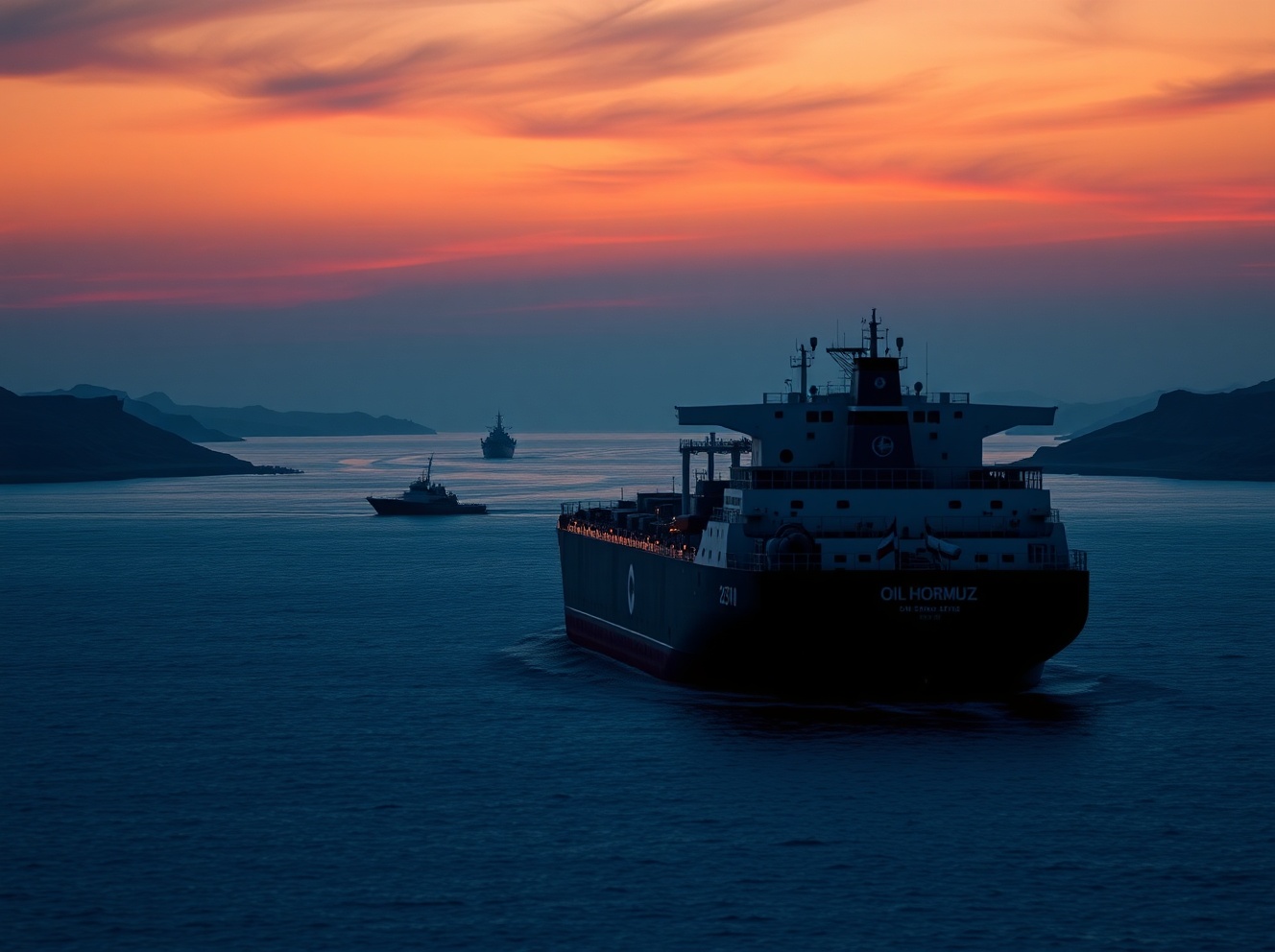
Strait of Hormuz Crisis: Iran’s Shocking Attack on 3 Ships Amid US Blockade
In a dramatic escalation of regional tensions, Iranian naval forces fired upon three commercial vessels in the Strait of Hormuz on Tuesday, April 8, 2025, as the United States Navy maintained its strategic blockade of the critical waterway. This incident marks the most serious direct confrontation in the strait in over two years and immediately sent shockwaves through global energy markets. The narrow chokepoint, through which approximately 21% of the world’s daily oil consumption passes, has long been a flashpoint. However, this latest development represents a significant and dangerous intensification. Consequently, analysts worldwide are now urgently assessing the potential for a broader regional conflict and its implications for global energy security.
Strait of Hormuz Incident: A Detailed Breakdown
According to verified reports from maritime security agencies, the incident occurred in the early morning hours local time. Iranian fast-attack craft, operating from the Islamic Revolutionary Guard Corps Navy base on Abu Musa Island, approached a small convoy of commercial ships. Subsequently, they opened fire with small arms and deck-mounted machine guns. The targeted vessels included two chemical tankers and one bulk carrier. Importantly, initial assessments indicate the attacks caused minor structural damage but no critical hull breaches or casualties. The ships, which were transiting the strait’s Traffic Separation Scheme, were reportedly flagged from Panama, Liberia, and the Marshall Islands. Following the attack, they altered course and are now under escort by international naval assets. Meanwhile, the U.S. Fifth Fleet, operating from Bahrain, confirmed its forces monitored the event in real-time but did not directly intervene.
Immediate Aftermath and Naval Posturing
The immediate response involved a significant bolstering of naval patrols. The United Kingdom Maritime Trade Operations issued an urgent advisory, warning all ships to exercise extreme caution. Simultaneously, the U.S. Navy reinforced its carrier strike group presence just outside the strait. For context, the U.S. has maintained a consistent naval blockade posture for 14 months, enforcing strict sanctions on Iranian oil exports. This policy aims to curb Tehran’s nuclear program ambitions. However, Iran consistently labels the blockade an act of “maritime piracy.” Therefore, today’s aggression appears to be a direct, albeit calibrated, challenge to that enforcement. Regional allies, including Saudi Arabia and the United Arab Emirates, have reportedly placed their naval forces on heightened alert.
Historical Context of Strait of Hormuz Tensions
To understand the gravity of this event, one must examine the strait’s fraught history. This 21-mile-wide channel has been a geopolitical tinderbox for decades. Notably, during the 1980s “Tanker War,” both Iran and Iraq targeted commercial shipping. More recently, a series of incidents since 2019 have kept tensions simmering.
- 2019: Iran seized the British-flagged tanker Stena Impero.
- 2021: A suspected Iranian drone attack hit the MV Mercer Street, a petroleum product tanker.
- 2023: The U.S. Navy intercepted large quantities of Iranian weapons destined for Yemeni Houthi forces.
Each event followed a familiar pattern of action and retaliation, often linked to wider diplomatic disputes over nuclear agreements and regional proxy conflicts. The current U.S. blockade strategy, initiated in early 2024, represents the most sustained and comprehensive pressure campaign in recent years. Experts argue it has severely constrained Iran’s primary source of foreign currency. Consequently, Tehran’s latest move is widely interpreted not as a random act, but as a calculated signal of its diminishing patience and growing willingness to escalate.
Global Oil Market Impact and Economic Repercussions
The financial markets reacted with predictable volatility. Within minutes of the news breaking, Brent crude futures surged by over 8%, breaching the $105 per barrel mark for the first time since late 2023. Energy analysts immediately revised their price forecasts upward. They cite the strait’s irreplaceable role in global logistics. For instance, about 17.4 million barrels of oil per day passed through it in 2024. Any sustained disruption would force a massive and costly rerouting of tankers around the Arabian Peninsula. This alternative adds roughly 9-14 days to voyage times and significantly increases freight costs. The following table illustrates key transit
| Metric | Figure | Global Share |
|---|---|---|
| Oil Flow (2024 Avg.) | 17.4 million bpd | ~21% |
| LNG Flow | ~20% of global trade | Critical for Asia |
| Daily Tanker Traffic | 50-60 vessels | N/A |
Furthermore, insurance premiums for ships entering the Gulf region, known as war risk premiums, are expected to spike dramatically. This increase will directly translate into higher costs for consumers worldwide. Major importers like China, India, Japan, and South Korea are now actively engaging in diplomatic channels to urge de-escalation. Their economies remain highly vulnerable to energy price shocks.
Expert Analysis on Strategic Calculations
Dr. Anya Petrova, a senior fellow at the Center for Maritime Security, provided critical context. “Iran’s leadership is engaging in a high-stakes game of chicken,” she explained. “The attack was precise enough to send a stark message but restrained enough to avoid triggering an immediate, overwhelming military response. Their goal is likely twofold: to test the resolve and coordination of the U.S.-led coalition, and to leverage the threat to the global economy to gain concessions on sanctions relief.” This analysis aligns with observations from several security think tanks. They note that Iran has historically used asymmetric naval tactics to offset its conventional military disadvantages. These tactics include the use of fast boats, naval mines, and anti-ship missile batteries positioned along the coastline.
Military Dynamics and Potential for Escalation
The military balance in the region is complex and heavily tilted toward the U.S. and its allies. The U.S. Fifth Fleet possesses overwhelming firepower, including carrier-based aircraft, guided-missile destroyers, and submarines. Conversely, Iran’s strength lies in its geography and its capacity for asymmetric warfare. It can deploy hundreds of small, agile boats and has extensive coastal defense networks. A full-scale conflict would be devastating for global trade but is still considered a low-probability scenario by most defense officials. The more likely path, they suggest, is a prolonged period of heightened brinkmanship. This period would feature sporadic incidents, increased naval shadowing, and a war of nerves. The key variable is miscalculation. A single errant missile or a misinterpreted maneuver could rapidly spiral out of control. All regional powers are acutely aware of this risk.
Conclusion
The attack on three ships in the Strait of Hormuz represents a severe and deliberate escalation in the long-running standoff between Iran and the United States. It underscores the fragile nature of global energy security and the persistent risk that regional conflicts pose to the world economy. While a full-scale war remains unlikely, the incident guarantees a new and more dangerous phase of maritime tension. The immediate consequences are clear: higher oil prices, increased shipping costs, and renewed fear of supply disruption. The long-term outcome, however, depends on the diplomatic and strategic choices made in Washington, Tehran, and world capitals in the coming days. The world now watches nervously as events unfold in this most critical of maritime chokepoints.
FAQs
Q1: What exactly happened in the Strait of Hormuz?
Iranian naval forces fired small arms at three commercial vessels transiting the strait on April 8, 2025. The attack caused minor damage but no reported casualties, occurring against the backdrop of an ongoing U.S. naval blockade.
Q2: Why is the Strait of Hormuz so important?
The strait is a geographic chokepoint. It is the only sea passage from the Persian Gulf to the open ocean, making it essential for the export of oil and natural gas from Saudi Arabia, Iraq, the UAE, Kuwait, and Iran. Approximately one-fifth of the world’s oil supply passes through it daily.
Q3: How did global oil markets react?
Oil prices surged over 8% immediately following the news. Markets are sensitive to any threat of disruption in the strait, as alternative shipping routes are much longer and more expensive, directly impacting global energy costs.
Q4: What is the U.S. Navy’s role in the region?
The U.S. Fifth Fleet, based in Bahrain, maintains a significant presence to ensure freedom of navigation and enforce international sanctions. Its current mission includes a blockade aimed at restricting Iranian oil exports, which Tehran views as an act of aggression.
Q5: What happens next after this incident?
The immediate focus is on de-escalation to prevent a miscalculation that could lead to open conflict. Expect increased naval patrols, higher war risk insurance for ships, and intense diplomatic efforts behind the scenes. The situation remains volatile and highly unpredictable.
This post Strait of Hormuz Crisis: Iran’s Shocking Attack on 3 Ships Amid US Blockade first appeared on BitcoinWorld.


Ayrıca Şunları da Beğenebilirsiniz

Trump Impeachment Odds Surge to 66%

Security Sucks in General Nowadays. Blockchains Just Tend To Have an Immediate Payoff




