In 2021, Coinbase listed on Nasdaq, its market capitalization once exceeding $85 billion, marking a significant event in the traditional capital market's acceptance of the crypto world. Three years later, on the other side of the ocean, HashKey, an Asian compliant digital asset platform, officially submitted its listing application to the Hong Kong Stock Exchange. As the bells of Wall Street and the gongs of Victoria Harbour face each other across the sea, an East-West dialogue about the future of digital finance is unfolding. Though separated by the sea, our core values are connected. Essentially, HashKey and Coinbase play the same role: both are key bridges connecting the traditional financial world with the new crypto world. They have both chosen the seemingly most difficult yet most sustainable path—compliant operation. Coinbase spent eight years working with US regulators before finally gaining mainstream recognition; HashKey, on the other hand, incorporated compliance into its DNA from the outset, obtaining comprehensive licenses in multiple jurisdictions including Hong Kong, Singapore, and Bermuda. They both understand one principle: in the highly regulated field of finance, compliance is not a limitation, but a passport to mainstream acceptance. While many platforms are still operating in a gray area, these two companies have already built safe and compliant entry channels for institutional funds. The prospectus shows that HashKey's platform assets are close to HK$20 billion, with institutional clients dominating. This is remarkably similar to Coinbase's early development path—first winning the trust of the most cautious institutional investors, and then expanding into a broader market. They both address the same core issue: how to allow capital from the traditional world to safely and legally enter the crypto world. Hong Kong's Crypto Market's "Coming of Age" HashKey's IPO push coincided with the harvest period of Hong Kong's virtual asset policies. This was no accident, but an inevitability—the maturity of the company and the maturity of the market occurred simultaneously, jointly completing a solemn "coming-of-age ceremony." Over the past few years, Hong Kong's regulatory framework for virtual assets has evolved from nothing to something, from exploration to maturity. The release of the "Policy Declaration on the Development of Virtual Assets" in 2022 and the formal implementation of the licensing system in 2023 have laid a clear regulatory foundation for the market. HashKey is a benchmark company that has grown up in this regulatory environment. Unlike the US market where Coinbase operates, Hong Kong follows a "rules-first" approach. In the US, innovation often precedes regulation; in Hong Kong, the regulatory framework is established first, then the market is guided to innovate within those rules. Both models have their advantages and disadvantages, but they both aim at the same goal: to unleash innovation while keeping risks under control. HashKey's business strategy also reflects its innovative exploration within this regulatory framework. From trading to custody, from staking services to asset management, and then to its self-developed HashKey Chain, it is building a complete digital asset ecosystem. This is not only a commercial expansion, but also a comprehensive validation of Hong Kong's virtual asset service capabilities. From Wilderness to Order Looking back at the development of the crypto industry, we have witnessed a transformation from a chaotic state to an orderly one. Coinbase's IPO proved that crypto companies can meet the scale requirements of traditional capital markets, while HashKey's IPO process demonstrates that world-class digital asset platforms can also be cultivated in the financial center of the East. Hong Kong's unique advantages lie in its geographical location, backed by mainland China and facing the world, as well as its deep-rooted rule of law and international financial experience. As global capital seeks entry into the Asian crypto market, Hong Kong offers a solution that combines international standards with a Chinese understanding. If HashKey successfully goes public, its significance will extend beyond the capitalization process of a single company. It will demonstrate to the world that there is another path to success beyond the Western-dominated crypto narrative—a path that combines Eastern regulatory wisdom with global financial innovation. The capital market journeys of the two major crypto trading platforms in the East and West, seemingly parallel, are in fact interconnected. They jointly demonstrate a trend: crypto finance is moving from the periphery to the center, from unregulated growth to standardization. As Coinbase proves its scale on Nasdaq and HashKey validates its path on the Hong Kong Stock Exchange, we are witnessing a global industry blossoming in different market environments, each with its own distinct yet shared origin. Hong Kong's crypto story may have only just begun. But this chapter already outlines the self-renewal of an international financial center in the digital age. As tradition and modernity converge, and as Eastern wisdom and global innovation collide, Hong Kong is quietly completing its crucial leap from an international financial center to an international digital financial center.In 2021, Coinbase listed on Nasdaq, its market capitalization once exceeding $85 billion, marking a significant event in the traditional capital market's acceptance of the crypto world. Three years later, on the other side of the ocean, HashKey, an Asian compliant digital asset platform, officially submitted its listing application to the Hong Kong Stock Exchange. As the bells of Wall Street and the gongs of Victoria Harbour face each other across the sea, an East-West dialogue about the future of digital finance is unfolding. Though separated by the sea, our core values are connected. Essentially, HashKey and Coinbase play the same role: both are key bridges connecting the traditional financial world with the new crypto world. They have both chosen the seemingly most difficult yet most sustainable path—compliant operation. Coinbase spent eight years working with US regulators before finally gaining mainstream recognition; HashKey, on the other hand, incorporated compliance into its DNA from the outset, obtaining comprehensive licenses in multiple jurisdictions including Hong Kong, Singapore, and Bermuda. They both understand one principle: in the highly regulated field of finance, compliance is not a limitation, but a passport to mainstream acceptance. While many platforms are still operating in a gray area, these two companies have already built safe and compliant entry channels for institutional funds. The prospectus shows that HashKey's platform assets are close to HK$20 billion, with institutional clients dominating. This is remarkably similar to Coinbase's early development path—first winning the trust of the most cautious institutional investors, and then expanding into a broader market. They both address the same core issue: how to allow capital from the traditional world to safely and legally enter the crypto world. Hong Kong's Crypto Market's "Coming of Age" HashKey's IPO push coincided with the harvest period of Hong Kong's virtual asset policies. This was no accident, but an inevitability—the maturity of the company and the maturity of the market occurred simultaneously, jointly completing a solemn "coming-of-age ceremony." Over the past few years, Hong Kong's regulatory framework for virtual assets has evolved from nothing to something, from exploration to maturity. The release of the "Policy Declaration on the Development of Virtual Assets" in 2022 and the formal implementation of the licensing system in 2023 have laid a clear regulatory foundation for the market. HashKey is a benchmark company that has grown up in this regulatory environment. Unlike the US market where Coinbase operates, Hong Kong follows a "rules-first" approach. In the US, innovation often precedes regulation; in Hong Kong, the regulatory framework is established first, then the market is guided to innovate within those rules. Both models have their advantages and disadvantages, but they both aim at the same goal: to unleash innovation while keeping risks under control. HashKey's business strategy also reflects its innovative exploration within this regulatory framework. From trading to custody, from staking services to asset management, and then to its self-developed HashKey Chain, it is building a complete digital asset ecosystem. This is not only a commercial expansion, but also a comprehensive validation of Hong Kong's virtual asset service capabilities. From Wilderness to Order Looking back at the development of the crypto industry, we have witnessed a transformation from a chaotic state to an orderly one. Coinbase's IPO proved that crypto companies can meet the scale requirements of traditional capital markets, while HashKey's IPO process demonstrates that world-class digital asset platforms can also be cultivated in the financial center of the East. Hong Kong's unique advantages lie in its geographical location, backed by mainland China and facing the world, as well as its deep-rooted rule of law and international financial experience. As global capital seeks entry into the Asian crypto market, Hong Kong offers a solution that combines international standards with a Chinese understanding. If HashKey successfully goes public, its significance will extend beyond the capitalization process of a single company. It will demonstrate to the world that there is another path to success beyond the Western-dominated crypto narrative—a path that combines Eastern regulatory wisdom with global financial innovation. The capital market journeys of the two major crypto trading platforms in the East and West, seemingly parallel, are in fact interconnected. They jointly demonstrate a trend: crypto finance is moving from the periphery to the center, from unregulated growth to standardization. As Coinbase proves its scale on Nasdaq and HashKey validates its path on the Hong Kong Stock Exchange, we are witnessing a global industry blossoming in different market environments, each with its own distinct yet shared origin. Hong Kong's crypto story may have only just begun. But this chapter already outlines the self-renewal of an international financial center in the digital age. As tradition and modernity converge, and as Eastern wisdom and global innovation collide, Hong Kong is quietly completing its crucial leap from an international financial center to an international digital financial center.

"Eastern Coinbase" Prologue: HashKey's Listing, Hong Kong's Crypto Market's Coming-of-Age Ceremony

2025/12/02 17:56

In 2021, Coinbase listed on Nasdaq, its market capitalization once exceeding $85 billion, marking a significant event in the traditional capital market's acceptance of the crypto world. Three years later, on the other side of the ocean, HashKey, an Asian compliant digital asset platform, officially submitted its listing application to the Hong Kong Stock Exchange. As the bells of Wall Street and the gongs of Victoria Harbour face each other across the sea, an East-West dialogue about the future of digital finance is unfolding.

Though separated by the sea, our core values are connected.

Essentially, HashKey and Coinbase play the same role: both are key bridges connecting the traditional financial world with the new crypto world. They have both chosen the seemingly most difficult yet most sustainable path—compliant operation.

Coinbase spent eight years working with US regulators before finally gaining mainstream recognition; HashKey, on the other hand, incorporated compliance into its DNA from the outset, obtaining comprehensive licenses in multiple jurisdictions including Hong Kong, Singapore, and Bermuda. They both understand one principle: in the highly regulated field of finance, compliance is not a limitation, but a passport to mainstream acceptance. While many platforms are still operating in a gray area, these two companies have already built safe and compliant entry channels for institutional funds.

The prospectus shows that HashKey's platform assets are close to HK$20 billion, with institutional clients dominating. This is remarkably similar to Coinbase's early development path—first winning the trust of the most cautious institutional investors, and then expanding into a broader market. They both address the same core issue: how to allow capital from the traditional world to safely and legally enter the crypto world.

Hong Kong's Crypto Market's "Coming of Age"

HashKey's IPO push coincided with the harvest period of Hong Kong's virtual asset policies. This was no accident, but an inevitability—the maturity of the company and the maturity of the market occurred simultaneously, jointly completing a solemn "coming-of-age ceremony."

Over the past few years, Hong Kong's regulatory framework for virtual assets has evolved from nothing to something, from exploration to maturity. The release of the "Policy Declaration on the Development of Virtual Assets" in 2022 and the formal implementation of the licensing system in 2023 have laid a clear regulatory foundation for the market. HashKey is a benchmark company that has grown up in this regulatory environment.

Unlike the US market where Coinbase operates, Hong Kong follows a "rules-first" approach. In the US, innovation often precedes regulation; in Hong Kong, the regulatory framework is established first, then the market is guided to innovate within those rules. Both models have their advantages and disadvantages, but they both aim at the same goal: to unleash innovation while keeping risks under control.

HashKey's business strategy also reflects its innovative exploration within this regulatory framework. From trading to custody, from staking services to asset management, and then to its self-developed HashKey Chain, it is building a complete digital asset ecosystem. This is not only a commercial expansion, but also a comprehensive validation of Hong Kong's virtual asset service capabilities.

From Wilderness to Order

Looking back at the development of the crypto industry, we have witnessed a transformation from a chaotic state to an orderly one. Coinbase's IPO proved that crypto companies can meet the scale requirements of traditional capital markets, while HashKey's IPO process demonstrates that world-class digital asset platforms can also be cultivated in the financial center of the East.

Hong Kong's unique advantages lie in its geographical location, backed by mainland China and facing the world, as well as its deep-rooted rule of law and international financial experience. As global capital seeks entry into the Asian crypto market, Hong Kong offers a solution that combines international standards with a Chinese understanding.

If HashKey successfully goes public, its significance will extend beyond the capitalization process of a single company. It will demonstrate to the world that there is another path to success beyond the Western-dominated crypto narrative—a path that combines Eastern regulatory wisdom with global financial innovation.

The capital market journeys of the two major crypto trading platforms in the East and West, seemingly parallel, are in fact interconnected. They jointly demonstrate a trend: crypto finance is moving from the periphery to the center, from unregulated growth to standardization. As Coinbase proves its scale on Nasdaq and HashKey validates its path on the Hong Kong Stock Exchange, we are witnessing a global industry blossoming in different market environments, each with its own distinct yet shared origin.

Hong Kong's crypto story may have only just begun. But this chapter already outlines the self-renewal of an international financial center in the digital age. As tradition and modernity converge, and as Eastern wisdom and global innovation collide, Hong Kong is quietly completing its crucial leap from an international financial center to an international digital financial center.

Piyasa Fırsatı
CyberKongz Logosu
CyberKongz Fiyatı(KONG)
$0.001763
$0.001763$0.001763
-0.33%
USD
CyberKongz (KONG) Canlı Fiyat Grafiği
Sorumluluk Reddi: Bu sitede yeniden yayınlanan makaleler, halka açık platformlardan alınmıştır ve yalnızca bilgilendirme amaçlıdır. MEXC'nin görüşlerini yansıtmayabilir. Tüm hakları telif sahiplerine aittir. Herhangi bir içeriğin üçüncü taraf haklarını ihlal ettiğini düşünüyorsanız, kaldırılması için lütfen [email protected] ile iletişime geçin. MEXC, içeriğin doğruluğu, eksiksizliği veya güncelliği konusunda hiçbir garanti vermez ve sağlanan bilgilere dayalı olarak alınan herhangi bir eylemden sorumlu değildir. İçerik, finansal, yasal veya diğer profesyonel tavsiye niteliğinde değildir ve MEXC tarafından bir tavsiye veya onay olarak değerlendirilmemelidir.

Ayrıca Şunları da Beğenebilirsiniz

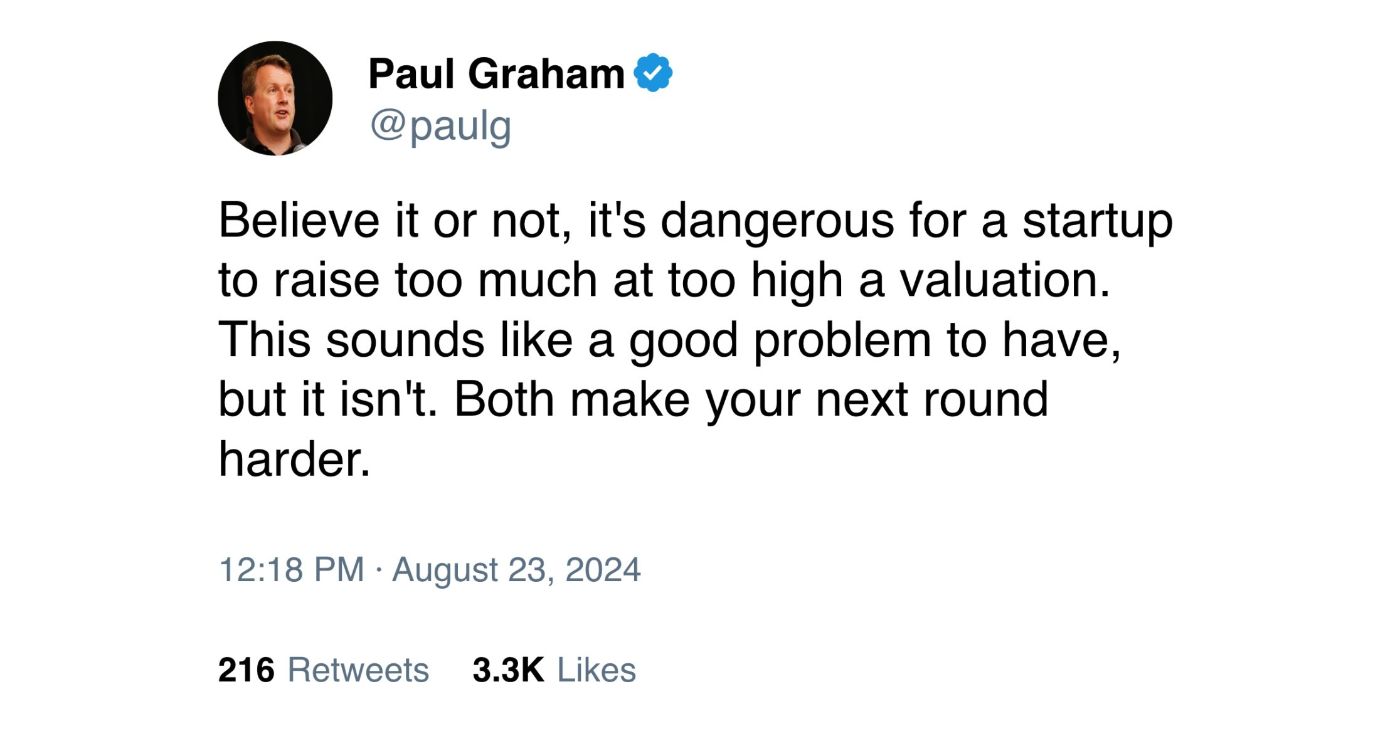
AI Startup Surge Risks Repeating Tech’s Last Funding Mania
AI Startup Surge Risks Repeating Tech’s Last Funding Mania

The AI startup frenzy and FOMO are inflating round sizes and valuations. Yes, the potential is huge. But too much capital too early often leads to mediocre outcomes. Remake of 2020–22?
Paylaş
Hackernoon2025/09/19 12:14
Bitcoin ETFs Revive with $241 Million Inflow, Ethereum ETFs Report Lowest Trading Value of the Week

Bitcoin ETFs Revive with $241 Million Inflow, Ethereum ETFs Report Lowest Trading Value of the Week

The post Bitcoin ETFs Revive with $241 Million Inflow, Ethereum ETFs Report Lowest Trading Value of the Week appeared first on Coinpedia Fintech News On September 24, the US spot Bitcoin ETF saw a combined inflow of $241.00 million, while Ethereum ETFs continued their day 3 streak of outflow. It recorded a total net outflow of $79.36 million, as per the SoSoValue report.  Bitcoin ETF Breakdown  After two consecutive days of experiencing huge sell-offs, Bitcoin ETFs finally managed to record an inflow of $241.00 million. BlackRock IBIT led with $128.90 million, and Ark and 21Shares ARKB followed with $37.72 million.  Additional gains were made by Fidelity FBTC, Bitwise BITB, and Grayscale BTC of $29.70 million, $24.69 million, and $13.56 million, respectively. VanEck HODL also made a smaller addition of $6.42 million in inflows.  Despite the inflows, the total trading value of the Bitcoin ETF dropped to $2.58 billion, with total net assets $149.74 billion. This marks 6.62% of Bitcoin market cap, slightly higher than the previous day.  Ethereum ETF Breakdown  Ethereum ETFs saw a total outflow of $79.36 million, with Fidelity’s FETH leading with $33.26 million. BlackRock ETHA also experienced heavy selling pressure of $26.47 million, followed by Grayscale’s ETHE $8.91 million. 21Shares TETH and Bitwise ETHW also posted smaller withdrawals of $6.24 million and $4.48 million, respectively.  The total trading value of Ethereum ETFs dropped below a billion, reaching $971.79 million. Net assets came in at $27.42 billion, representing 5.45% of the Ethereum market cap.  Ethereum ETF Market Context  Bitcoin is trading at $111,766, signalling a 4.6% drop compared to a week ago. Its market cap has also dipped to $2.225 trillion. Its daily trading volume has reached $49.837 billion, showing mild progress there.  Ethereum is priced at $4,011.92, with a market cap of $483.822 billion, showing a sharp decline. Its trading volume has also slipped to $37.680 billion, reflecting a slow market.  Due to heavy outflow this week, Bitcoin and Ethereum’s prices are experiencing price swings. Crypto analysts from Bloomberg warn the market to brace for further volatility.  
Paylaş
Coinstats2025/09/25 18:40
Son of filmmaker Rob Reiner charged with homicide for death of his parents

Son of filmmaker Rob Reiner charged with homicide for death of his parents

FILE PHOTO: Rob Reiner, director of "The Princess Bride," arrives for a special 25th anniversary viewing of the film during the New York Film Festival in New York
Paylaş
Rappler2025/12/16 09:59