Should I Sell XRP? A Realistic Look at Your Investment Decision
- First, understand XRP fundamentals.
- XRP ranks as the fourth-largest cryptocurrency with strong institutional adoption through Ripple's payment network.
- The bull case centers on growing bank partnerships, CBDC pilots, and the RLUSD stablecoin reaching $898 million market cap.
- Major concerns include weak DeFi presence ($82M TVL), intense competition from bank-owned systems, and 15% recent price decline.
- XRP remains highly volatile with 62% bearish sentiment and hasn't achieved independence from broader crypto market movements.
- Investment decisions should weigh your timeline, portfolio allocation, and whether institutional payment adoption justifies current risks.
- Holding makes sense for 3-5 year horizons if XRP represents a small portfolio percentage; selling is reasonable if overexposed or needing capital.
Should I Sell XRP Now? Understanding Current Market Position
Should I Hold or Sell XRP? The Case for Holding
- Rethinking your position? Revisit our full XRP investment analysis.
When Should I Sell XRP? Valid Reasons to Consider
1.Limited DeFi Ecosystem
2. Intense Competition from Major Players
3. Recent Price Underperformance
4. Centralization Concerns
5. Market Volatility Remains High
Should I Sell My XRP? Key Factors to Consider
Frequently Asked Questions
- Thinking of buying more? See should I buy XRP now.
Conclusion
- Read our complete XRP guide for full analysis.
Popular Articles
What Is a MEXC Futures Guaranteed Stop-Loss Order?
1. What is a MEXC Futures guaranteed stop-loss order?A Futures guaranteed stop-loss order is a professional paid risk management feature designed to address extreme volatility in the cryptocurrency ma

How to Buy Crypto with Credit/Debit Card: MEXC Step-by-Step Guide
Key TakeawaysMEXC accepts credit and debit cards from Visa and MasterCard networks across 38 supported countries with transparent 2% processing fees.You can buy crypto with credit card on MEXC after c

Buy Crypto with Bank Transfer: Complete SEPA Payment Guide for Europe
Key TakeawaysBuy crypto with SEPA transfers for faster processing times (2 hours with SEPA Instant) and lower fees than traditional payment methods.SEPA crypto purchases are available in 30 European c

Hot Crypto Updates
View More
Ripple (XRP) 7-day Price Change
The Latest Ripple (XRP) price has shown significant movement over the past week. In this article, we'll examine its current XRP price, 7-day performance, and the market factors shaping XRP's trend,
Ripple (XRP) Price Prediction: Market Forecast and Analysis
Understanding the price prediction of Ripple (XRP) gives traders and investors a forward-looking perspective on potential market trends. XRP price predictions aren't guarantees, but they provide


Trending News
View More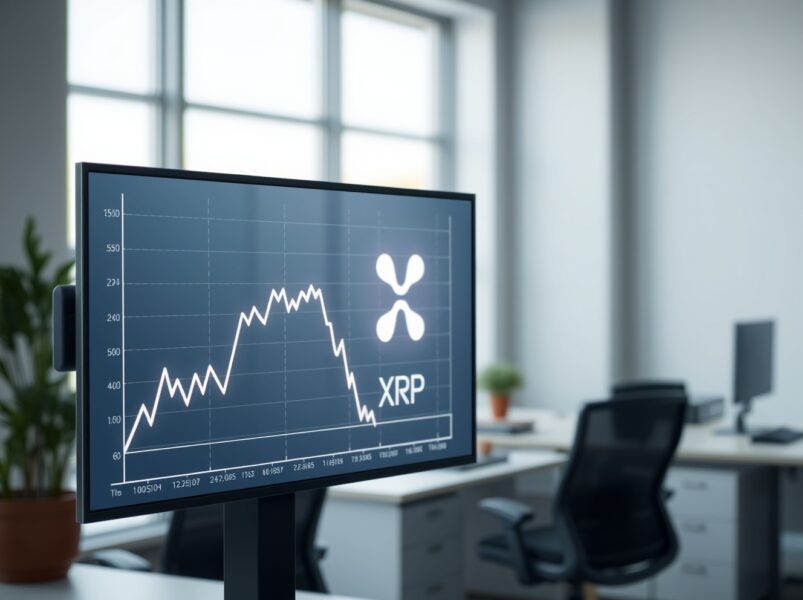
XRP Technical Analysis Reveals Critical Warning: Potential Plunge to $0.87 as Market Weakens
BitcoinWorld XRP Technical Analysis Reveals Critical Warning: Potential Plunge to $0.87 as Market Weakens XRP faces significant technical deterioration as market

CLARITY Act Could Unlock XRP Adoption, Says Evernorth
The post CLARITY Act Could Unlock XRP Adoption, Says Evernorth appeared on BitcoinEthereumNews.com. CLARITY Act Could Ignite Institutional Floodgates for XRP Adoption
Related Articles
What Is a MEXC Futures Guaranteed Stop-Loss Order?
1. What is a MEXC Futures guaranteed stop-loss order?A Futures guaranteed stop-loss order is a professional paid risk management feature designed to address extreme volatility in the cryptocurrency ma
How to Buy Crypto with Credit/Debit Card: MEXC Step-by-Step Guide
Key TakeawaysMEXC accepts credit and debit cards from Visa and MasterCard networks across 38 supported countries with transparent 2% processing fees.You can buy crypto with credit card on MEXC after c
Buy Crypto with Bank Transfer: Complete SEPA Payment Guide for Europe
Key TakeawaysBuy crypto with SEPA transfers for faster processing times (2 hours with SEPA Instant) and lower fees than traditional payment methods.SEPA crypto purchases are available in 30 European c