Airdrop

An Airdrop is a distribution of free tokens to a community, typically used as a marketing tool or a reward for early protocol adopters and testers. In 2026, the "points-to-airdrop" model has matured into merit-based incentive programs that utilize Sybil-resistance and Proof-of-Humanity to filter out bots. Airdrops remain a primary method for decentralized governance (DAO) bootstrapping. Follow this tag for the latest on retroactive rewards, eligibility criteria, and how to participate in the most anticipated token distributions in the ecosystem.

5460 Articles
Created: 2026/02/02 18:52
Updated: 2026/02/02 18:52
How to Create a Meme Coin on Solana: A Step-by-Step Guide

How to Create a Meme Coin on Solana: A Step-by-Step Guide

Meme coins on Solana have become a popular way for anyone to join the crypto world with creativity and humor. Creating a meme coin on Solana is a direct process that involves picking a catchy idea, using a token creation tool, and launching the token on the blockchain. People often choose Solana because it is fast, has low fees, and offers user-friendly tools even for beginners.New projects can stand out by choosing a unique name and focusing on community support. Many are surprised to learn they don’t need coding experience, because no-code platforms and step-by-step guides make the process accessible to almost anyone. This growing trend inspires more people to launch meme tokens and become part of the vibrant Solana ecosystem.Understanding Meme Coins and the Solana BlockchainMeme coins are unique digital currencies that grow mainly through community activity, trends, and internet culture. Solana provides a fast, affordable blockchain network that is popular for launching new crypto projects, including meme coins.What Is a Meme Coin?A meme coin is a type of cryptocurrency inspired by jokes, memes, or internet trends. These coins often start as a way to create fun, but they can gain real value if enough people join in.Unlike Bitcoin or Ethereum, meme coins do not offer new or advanced technology. Instead, they stand out for their branding, humor, and community support. Popular meme coins like Dogecoin and Shiba Inu have attracted large online groups.On the Solana blockchain, meme coins are even easier to make and share. This attracts users who are new to blockchain and want to be part of viral trends in the crypto world.Why Choose Solana for Meme Coins?Solana is a blockchain known for its high speed and very low fees. Transactions are often nearly instant, which makes it easier for meme coins to spread quickly and keep up with fast-moving online trends.Solana provides a user-friendly environment with many no-code tools and platforms where anyone can launch a token with little technical knowledge. Low costs encourage more experimentation, which is perfect for the meme coin space.Because Solana supports high transaction volume, meme coins built on this blockchain can handle sudden spikes in activity. This is important when a coin becomes popular and trading grows quickly.Overview of the Solana EcosystemThe Solana ecosystem includes a wide range of projects and tools that support new developers and crypto communities. There are many launchpads, wallets, and decentralized exchanges that make creating and sharing meme coins very simple.Projects in the Solana ecosystem, such as Raydium and Jupiter, help users swap and trade tokens with efficiency. The community is active and often supports new meme coins with guides, resources, and marketing channels.Solana's strong developer support and active user base make it an attractive choice for people interested in joining or creating new meme coin projects. Users can find help and connect with others through social media groups, forums, and online events.Essential Prerequisites Before Creating a Meme CoinBuilding a meme coin on Solana requires planning and preparation across a few key areas. A strong meme idea, technical setup, and the right budget and tools all make a big difference.Choosing a Viral Meme ConceptThe success of a meme coin often depends on the meme itself. A meme should be easy to understand, memorable, and have wide appeal. Projects like Dogecoin and Shiba Inu grew fast because their themes were simple and relatable.The Doge meme that inspired DogecoinIt helps to look for trends on social media and online forums. New memes fade quickly, so timing is important. Strong coin names are short, funny, and easy to search for.Consider making graphics, a short story, or other content to help the meme spread. Think about how the concept will fit with Solana’s fast transactions and low fees. Plan how users will share and talk about the coin online.Budgeting and Required ToolsLaunching a meme coin on Solana is cheaper than on many other platforms, but some costs still apply. Creators need to hold enough SOL to pay for network fees. Small fees cover minting tokens, creating accounts, and future transactions.Basic budget checklist:Buying some SOL (the network’s main currency)Possible costs for marketing and graphicsOptional tools for no-code token creation, like Token Tool or Solana Program Library interfacesNo-code platforms often charge a fee, but they save time. Free open-source options require some technical skill. Tools like Coin Market Cap’s Solana SDK or websites such as Token Tool can be very useful.Setting Up Your Solana WalletA Solana wallet is required to manage tokens and pay for fees. Two popular wallets are Phantom Wallet and Solflare.Phantom Wallet:User-friendly browser extension and mobile appStores SOL and Solana tokensLets users sign transactions and connect to dAppsSolflare:Offers both browser and web versionsSupports staking and advanced featuresFocuses on security and user supportSetting up a wallet includes downloading the app or extension, writing down the recovery phrase, and securing it. The wallet must be funded with enough SOL to cover all steps of token creation.A secure wallet setup helps avoid hacks and errors during the launch. Both Phantom and Solflare guide new users through setup and provide help if needed.Methods to Create a Meme Coin on SolanaThere are different ways to launch a meme coin on Solana, each with its own benefits and steps. Some approach the process with no coding, while others prefer working directly through Solana’s command-line interface.Using No-Code Solana Token Creator ToolsNo-code Solana token creator tools let users make meme coins without any programming. These online tools, such as Solana Token Creator and Fluxbeam, walk users through each step. People only need to enter the coin name, symbol, total supply, and sometimes upload a logo image.After entering the needed details and connecting a Solana wallet like Phantom, users pay a small fee in SOL. The tool automatically creates the coin’s mint address and publishes it on the Solana blockchain. This method is fast, with most coins created in less than ten minutes.No-coding solutions help beginners avoid errors, and some platforms offer extra features. These might include token distribution settings or direct tools to add liquidity to Solana decentralized exchanges.Manual Token Creation with SPL Token CLIManual creation uses Solana’s SPL Token CLI (Command-Line Interface). This approach requires some technical skill and the installation of Solana CLI on a computer.Users start by generating a new wallet or using an existing Solana wallet. The CLI command spl-token create-token creates a new token, returning a unique mint address. With spl-token create-account MINT_ADDRESS, an account is set up to hold the new token.Next, the user mints the desired supply with spl-token mint MINT_ADDRESS AMOUNT. This hands-on method gives more control over advanced options, like choosing freeze authorities or setting mint features, but takes more time and understanding than no-code platforms.Integrating Token Metadata and ImagesAdding metadata and images makes a meme coin more recognizable. The metadata may include the coin's name, symbol, description, and an image URL. On Solana, many creators use Metaplex to set token metadata by linking it to the mint address.Uploading an image to a service like Arweave or IPFS makes sure it stays available. Then, the creator registers the image’s URL in the metadata, which displays the logo on wallets and Solana block explorers.This step helps holders see their tokens with correct names and fun images, boosting user trust and making the coin more shareable on social media. Consistent branding across the coin’s details and visuals can set meme coins apart in an overcrowded market.Securing Your Meme Coin for Trust and SafetySecuring a meme coin on Solana is critical for building user confidence and long-term success. Projects must show they are taking steps to prevent scams, protect holders, and encourage community growth.Revoking Mint and Freeze AuthorityAfter launching a meme coin on Solana, it's important to revoke both the mint and freeze authorities. The mint authority allows the creator to make more tokens at any time. If it's not revoked, there is a risk of unexpected token inflation that can damage trust.The freeze authority lets the creator freeze user accounts, stopping them from sending or receiving tokens. This is another common concern for holders. By revoking both, the creator proves they can't secretly change the supply or freeze user tokens. Tools like sol-incinerator can help remove these authorities easily and securely.It is best practice to publish proof that these actions were done. For example, share blockchain transaction links showing the authorities were revoked. This transparency helps the community verify the coin is no longer controlled by the creator.Best Practices for Preventing Rug PullsRug pulls are a common risk with meme coins. To avoid this, creators need to take specific steps that make sudden exits or scams nearly impossible.Add and Lock Liquidity:Add liquidity to a decentralized exchange like Raydium.Use a smart contract or a third-party locker to lock the liquidity for a set period, often six months or more.Publicly share the contract address and lock duration with the community.Distribute Tokens Fairly:Use airdrops, public launches, or transparent presales.Avoid keeping large portions of tokens in a single wallet.Document Everything:Share a complete roadmap and transparent team information.Publish regular updates and provide open communication channels.Following these steps shows a strong commitment to safety and makes the project more trustworthy for all holders.Token Verification and Tracking on SolanaAfter launching a meme coin on Solana, proper verification and listing help it gain trust and visibility. These steps make sure holders can easily view their token in popular tools and track it across the network.Adding to Wallets and ExplorersA new token needs to be visible in major Solana wallets like Phantom and Solflare. To add the token, users must copy the token’s mint address and import it in their wallet’s “Add Token” section. Most wallets allow manual addition by pasting the mint address.For transparency, the token’s details—such as its name, symbol, and decimals—should match the information on the Solana blockchain. This helps prevent confusion and copycat tokens. On public explorers like Solana Explorer and Solscan, anyone can search by the mint address to see transfers, supply, and holder stats.Some explorers offer a verification badge for well-known projects. To apply, projects usually submit basic details and verify ownership by signing a message from the creator wallet. Verified tokens look more credible and are less likely to be mistaken for scams.Publishing on Blockchain TrackersBlockchain trackers make it easier to find, trade, and follow the progress of a meme coin. Sites like Birdeye and Solscan list token prices, liquidity pools, trading volumes, and social links.Project owners can request to list or update their token’s page. This often involves submitting the mint address, logo, links, and a short description. Each tracker has its own guidelines, with some requiring verification steps.Listing on trackers helps new tokens appear in search results and charts. It also gives investors a way to monitor price movements and spot liquidity problems. Clear and up-to-date details on trackers improve transparency and can help meme coins gain new holders.Launching and Distributing Your Meme CoinAfter creating a meme coin on Solana, planning how to release and share it is just as important as the technical work. Careful token distribution, creative airdrops, and community engagement strategies help build trust and attract new holders.Strategizing Fair Token DistributionA fair token distribution strategy stops early centralization and attracts more users. Token distribution often includes a mix of pre-sale, public launch, team allocation, and community rewards.Part of BONK’s token distributionSetting clear rules for vesting periods, allocation, and unlocking schedules prevents sudden large dumps on the market. Publicly sharing the distribution model allows the community to see how tokens are being shared, supporting long-term trust.Organizing AirdropsAirdrops are a proven way to reward early supporters and generate buzz. They let users receive coins for free, often by holding SOL, joining a whitelist, or completing simple tasks like following social media.When planning an airdrop, teams should use clear eligibility criteria and fair snapshot dates to avoid bot abuse. Automated tools, like Solana-specific airdrop platforms, can help distribute tokens in bulk securely.Providing clear instructions keeps the process smooth. It’s important to announce airdrop details and timelines using official channels so community members know when and how to participate.Community Incentives and RewardsRegular incentives encourage holders to stay engaged. These can include staking rewards, liquidity mining, referral bonuses, and frequent contests.Common Community Incentives:Staking Rewards: Let holders earn more tokens by locking up their coins.Giveaways and Contests: Offer prizes for meme submissions, creative content, or referrals.Liquidity Pool Rewards: Provide bonuses to users who add tokens to decentralized exchanges.Transparent rules and regular feedback help build a strong, loyal community. Prompt reward payouts and open communication are important for lasting engagement. These incentives keep the community active and invested in the project’s success.Adding Liquidity and Listing on Solana DEXsAfter creating a meme coin, the next step is to make it tradeable by providing liquidity and listing it on popular Solana decentralized exchanges. This process brings visibility to the token, allows users to trade, and sets an initial market price.Creating a Liquidity PoolA liquidity pool is where users deposit their tokens to enable trades on a decentralized exchange (DEX). On Solana, major DEXs like Raydium, Orca, and OpenBook use automated market maker (AMM) systems, which rely on these pools.To create a liquidity pool, developers must choose the two tokens to be paired—typically their new token and a well-known coin such as SOL or USDC. They must then deposit both tokens into the pool in selected ratios. This initial deposit determines the starting price of the new token.Liquidity providers (LPs) earn a share of trading fees. This encourages community members to help grow the pool.Pairing With SOL or USDCPairing the meme coin with SOL or USDC is important. These tokens have high liquidity and are trusted by most traders. A SOL or USDC pair is easy to trade, which attracts more users.To set up the pair, developers deposit equal value amounts of their own token and either SOL or USDC. For example, 1,000,000 meme coins and 2 SOL, or 1,000,000 meme coins and 200 USDC. This establishes a fair starting rate.The chosen pair can influence how accessible the coin is. SOL pairs often have more trading volume, but USDC pairs offer a stable price reference because USDC is a stablecoin. Most DEXs allow users to add more liquidity later, so teams can adjust as needed.Listing on Top Decentralized ExchangesListing the meme coin on popular Solana DEXs such as Raydium, Orca, OpenBook, and through aggregators like Jupiter increases its exposure and trading volume. Each DEX has its own listing process, which usually starts by creating the liquidity pool.Steps to list a token:Create the pool and add liquidity.Register or verify the token’s information on the DEX interface.Share the pool’s link with the community.Some platforms, like Jupiter, act as aggregators and display available pools from multiple DEXs, making the meme coin easier to find and trade. Raydium and Orca are good starting points since they have strong user bases.Examples of BONK’s integrationsCritical information, like the token's contract address, should always be made public so users can trade with confidence and avoid scams. Proper listing helps ensure liquidity remains healthy and trading is smooth for all participants.Frequently Asked QuestionsWhat are the steps to develop a new meme coin on the Solana blockchain?Creating a meme coin on Solana starts with setting up a Solana wallet and getting some SOL for transaction fees. The next step is to use a no-code tool or platform, like Token Tool or Smithii's token creator, to configure and deploy the token.After deploying, the coin must be listed on decentralized exchanges, and liquidity should be added. Marketing, community building, and managing updates or governance follow after launching.Can you launch a meme coin on Solana without any initial investment, and if so, how?Some token creation platforms on Solana offer free or low-cost token launches, though a small amount of SOL is always required to pay the blockchain transaction fees. No coding experience is needed, as many platforms are designed for beginners.Full projects with a website, marketing, and exchange listings will require more resources, but a basic meme coin can be created with minimal expense.What is the estimated cost to create and launch a meme coin on the Solana platform?The cost to deploy a basic meme coin on Solana is often less than $5 in SOL, covering wallet funding and transaction fees. Listing the coin, setting up liquidity, and building a basic website can add to the expenses.Additional costs may include marketing, legal fees, or paying for advanced features from token creation platforms. For most casual launches, costs remain low compared to other blockchains.Which platforms support the launch of meme coins on Solana, like Raydium?Popular platforms for launching meme coins on Solana include Raydium, Smithii, and Token Tool. These services allow users to create tokens, set parameters, and list tokens on decentralized exchanges.Raydium is notable for its liquidity pools and trading features. Users can also choose other Solana-based launchpads and tools suited for community tokens.What essentials are needed to build a website for a Solana-based meme coin?A basic website for a meme coin should share details about the token, roadmap, team, and how to buy or trade the coin. It should include links to the official Solana token address and social media channels.Web hosting, a simple site builder or web developer, and graphics or branding are key needs. The site should be easy to navigate and provide regular updates for the community.How lucrative is creating and managing a meme coin on Solana and what factors influence its success?The ability to profit from a meme coin on Solana depends on demand, a strong idea, community support, and effective marketing. High liquidity and trending memes can boost results, but many projects struggle to attract buyers.Careful planning, communication, and security help increase the project's chances. Earning large profits is possible but not guaranteed, and risks are high in the meme coin market.

Author: Coinstats
The aPriori airdrop appears to have been hit by a Sybil attack; a single cluster claimed approximately 80% of the airdropped tokens on the BNB chain.

The aPriori airdrop appears to have been hit by a Sybil attack; a single cluster claimed approximately 80% of the airdropped tokens on the BNB chain.

PANews reported on November 4th, citing DL News, that Apriori, a trading infrastructure startup backed by YZi Labs, is facing scrutiny due to on-chain records indicating suspicious activity in its recent token airdrop. Approximately 80% of the APR airdrop tokens on the BNB chain were claimed by a single cluster of over 5,800 wallets. This behavior exhibits all the characteristics of an industrial-grade Sybil attack, where attackers deploy multiple wallets to repeatedly claim airdrops. The timing of the activity is also highly suspicious, as the wallet cluster was set up before the airdrop and its eligibility requirements were made public. Apriori and its founder, Ray Song, did not respond to multiple requests for comment.

Author: PANews
Polymarket hits ATHs in volume and traders driven by POLY token announcement and U.S. re-entry plans

Polymarket hits ATHs in volume and traders driven by POLY token announcement and U.S. re-entry plans

The post Polymarket hits ATHs in volume and traders driven by POLY token announcement and U.S. re-entry plans appeared on BitcoinEthereumNews.com. Polymarket hit record highs in October for volume, active traders, and new market launches, driven by the POLY token announcement, U.S. market re-entry plans, and a potential $15B fundraising round. Summary Polymarket saw over 477,000 active traders and more than $3 billion in trading volume, surpassing the prior January peak. The surge was likely fueled by the POLY token announcement and airdrop, plans to re-enter the U.S. market, and a potential $15 billion fundraising round. Prediction markets overall experienced strong growth, with Kalshi trading over $4.4 billion and attracting fresh VC interest. Polymarket reached record highs in October, with over 477,000 active traders—the platform’s largest monthly user base to date. This represents a 48% increase from September and surpasses the previous peak of approximately 462,000 traders seen during the U.S. election in January, according to data from The Block. Trading volume and new market creation also set monthly records, with more than $3 billion traded, more than double the total from the prior month. Polymarket active traders (monthly) | Source: The Block The surge in activity on the leading prediction market platform coincides with several key developments. In October, Polymarket announced the POLY token and an accompanying airdrop. Around the same time, the platform revealed plans for its re-entry into the U.S. market. Additionally, Polymarket’s potential fundraising round valuing the company at $15 billion may have encouraged market makers and liquidity providers to seed additional markets. The October spike aligns with broader growth in the prediction-market sector. Kalshi prediction market operator also reported record activity, with over $4.4 billion traded in October. The firm is also attracting fresh VC interest at valuations exceeding $10 billion, according to recent reports from Bloomberg. According to The Block’s Data & Insights newsletter, “October’s spike looks less like a one-off and more like a step-change…

Author: BitcoinEthereumNews
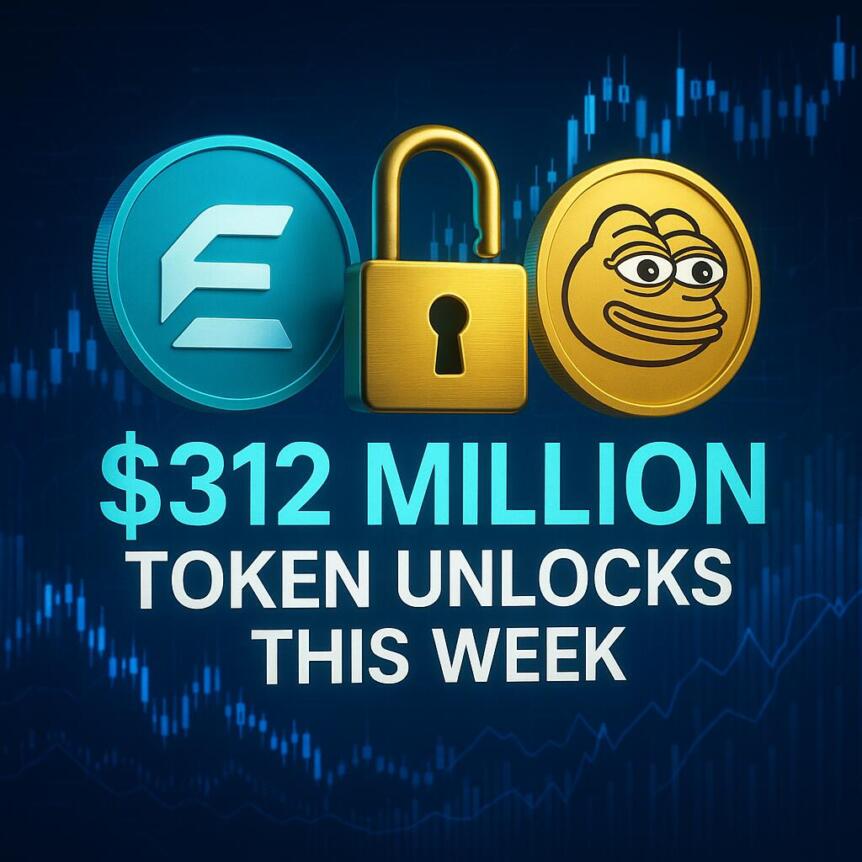
Ethena (ENA) and MEME Lead $312 Million Token Unlocks This Week

Ethena (ENA) and MEME Lead $312 Million Token Unlocks This Week

ENA and MEME token unlocks lead a $312M surge this week. Find out which projects may move markets and shift liquidity trends.

Author: Crypto Breaking News
FTX Recovery Math Doesn’t Add Up: Creditors Face Heavy Haircuts in Real Terms

FTX Recovery Math Doesn’t Add Up: Creditors Face Heavy Haircuts in Real Terms

The post FTX Recovery Math Doesn’t Add Up: Creditors Face Heavy Haircuts in Real Terms appeared on BitcoinEthereumNews.com. The FTX bankruptcy saga continues to reveal harsh truths. Despite headlines of “full repayment,” the actual recovery for creditors, in real crypto terms, may be far from whole. According to Sunil, a well-known FTX creditor representative and crypto commentator, the real recovery rate sits between 9% and 46%. And that figure could be even lower when adjusted for today’s higher crypto prices. “FTX creditors are not whole,” Sunil wrote on X, warning that the supposed 143% recovery doesn’t tell the full story. FTX Bankruptcy recovery rates in real crypto terms FTX creditors are not whole 9% to 46%: Real crypto terms recovery but probably in reality lower as crypto prices higher when 143% paid Also seen on CT some:1) Protect known scammers/liars/fraudsters2) Attack those helping… pic.twitter.com/pUcjIPFsnv — Sunil (FTX Creditor Champion) (@sunil_trades) November 2, 2025 The Misleading “143% Recovery” Headline FTX’s restructuring team made headlines earlier this year by announcing plans to repay creditors “up to 143%” of their claims. But the math behind that number is based on fiat values from November 2022, the time of FTX’s collapse. Crypto prices were far lower then. Bitcoin traded near $16,500. Ethereum hovered around $1,200. Solana was barely above $13. Today, all three have more than tripled in value. According to CoinMarketCap, BTC sits around $110,000, ETH near $3,800, and SOL over $183. That means a creditor owed one Bitcoin in 2022 might only receive the equivalent of 0.3 BTC today, even if paid “in full” by dollar value. The crypto may be gone, but the fiat number looks good on paper. So while 143% sounds like a victory, in crypto terms, it’s a heavy haircut. What “Real Crypto Recovery” Looks Like Sunil’s breakdown offers a more accurate picture. After accounting for current market conditions, the real crypto recovery rate falls between…

Author: BitcoinEthereumNews
The Ultimate Pre-Launch Checklist for a Successful TRON Token Project

The Ultimate Pre-Launch Checklist for a Successful TRON Token Project

In the blockchain landscape, TRON has carved a niche for itself as a high-performance platform, enabling developers and entrepreneurs to launch token projects that can scale efficiently. With millions of active accounts and billions of transactions recorded, TRON has become a hub for innovation in decentralized finance, gaming, and digital payments. But a successful token launch is more than just deploying code; it requires careful planning, strategic foresight, and a clear roadmap. Many projects stumble not because of technology, but due to overlooked pre-launch preparation. For anyone looking to create a TRON token, understanding the platform’s unique features and the options available for token creation is critical. This guide breaks down the essentials, offering practical, actionable insights to help developers, startups, and blockchain entrepreneurs navigate every stage from concept to launch. By following this step-by-step checklist, you’ll be equipped to make informed decisions that increase the likelihood of adoption, community engagement, and long-term project success. Table of Contents ∘ Understanding TRON and Its Token Ecosystem ∘ Defining Your Token’s Purpose and Vision ∘ Tokenomics — Designing a Sustainable Economy ∘ Legal Compliance and Regulatory Considerations ∘ Smart Contract Development and Security ∘ Preparing Your Technical Infrastructure ∘ Building and Engaging a Community Early ∘ Pre-Launch Marketing and Awareness Campaigns ∘ Launch-Day Checklist ∘ Post-Launch Strategy for Growth and Sustainability ∘ Conclusion Understanding TRON and Its Token Ecosystem What Sets TRON Apart from Other Blockchains TRON stands out because it combines speed, scalability, and affordability. Its Delegated Proof-of-Stake (DPoS) system allows it to process up to 2,000 transactions per second, which is significantly higher than many competing networks. Low transaction costs also mean users can interact with your token without worrying about prohibitive fees, making the platform ideal for projects requiring frequent transactions. Overview of TRC Standards: TRC-10 vs TRC-20 Tokens TRON offers two main token standards, each with its own strengths: TRC-10 Tokens are simpler and cheaper to create. They don’t require smart contracts, making them suitable for straightforward tokens, community rewards, or fundraising campaigns. TRC-20 Tokens are built on smart contracts, offering more flexibility and compatibility with the TRON Virtual Machine (TVM). Importance of Choosing the Right Token Standard Choosing the wrong token standard can limit your project’s potential. TRC-10 is excellent for low-cost distribution and basic utility, while TRC-20 unlocks the full power of TRON’s smart contract capabilities. Matching your token’s functionality to the right standard ensures smoother adoption, better integration, and fewer headaches down the line. Defining Your Token’s Purpose and Vision Identifying the Problem Your Token Solves Every successful token begins with a problem worth solving. Ask yourself: what gap in the market does your token fill? Is it enabling smoother transactions, powering a decentralized application, or creating a new ecosystem within gaming or DeFi? A token without a clear purpose risks being ignored or treated purely as a speculative asset. Defining a concrete problem not only gives your project direction but also makes it easier for potential users and investors to see the value. Defining Your Target Audience and Market Fit Knowing who will use your token is crucial. Are you targeting gamers, DeFi users, merchants, or global remittance networks? Understanding your audience helps tailor features, incentives, and communication strategies. For instance, gamers might value NFT integrations and in-game staking, while financial users care about low fees and high-speed transactions. Setting Clear Goals Clear, measurable goals keep your project on track. These might include user adoption metrics, transaction volumes, staking participation, or integration with other platforms. Goals act as checkpoints, letting you monitor progress and make adjustments before issues escalate. They also signal professionalism to investors and partners, showing that your project is structured and results-driven. Creating a Token Roadmap A roadmap is more than just dates — it’s a communication tool and a promise to your community. Lay out development phases, milestones, and timelines for releases, smart contract audits, and marketing campaigns. Transparency in your roadmap builds trust and encourages long-term engagement. A well-documented roadmap also helps coordinate your team and avoid delays or misaligned priorities. Tokenomics — Designing a Sustainable Economy Understanding Supply Models The foundation of your token’s economy lies in its supply. Decide whether your token will have a fixed, capped, or inflationary supply. Fixed supply creates scarcity, often driving demand and perceived value. Capped supply allows controlled growth while preventing oversaturation, and inflationary models can incentivize long-term participation but require careful design to avoid devaluation. Allocation Strategies Distribution matters. How you allocate tokens affects investor confidence, community engagement, and governance participation. Common allocations include portions for the development team, advisors, early supporters, community rewards, and ecosystem reserves. A transparent, balanced allocation reduces the risk of accusations of unfairness or centralization and ensures all stakeholders are incentivized appropriately. Incentivization and Reward Mechanisms To foster adoption and loyalty, design robust incentive programs. Staking rewards encourage users to hold tokens and participate in network validation. Liquidity mining programs drive liquidity on decentralized exchanges, while airdrops and referral programs can attract early users and expand the community. The goal is to create a self-sustaining ecosystem where token holders are motivated to participate actively. Avoiding Common Pitfalls Even small missteps in tokenomics can hurt adoption. Over-allocating tokens to founders, ignoring vesting schedules, or creating overly complex incentives can backfire. Transparency, fairness, and simplicity are your allies. Communicate allocation plans clearly, explain reward structures, and ensure your tokenomics aligns with the real-world utility of your project. Legal Compliance and Regulatory Considerations Understanding Global Crypto Regulations Launching a TRON token isn’t just a technical challenge — it’s also a legal one. Different countries have varying rules around digital assets, token sales, and fundraising. From the United States’ SEC regulations to the EU’s MiCA framework, staying compliant protects your project from fines, legal action, or even forced shutdowns. Ignoring regulatory requirements can turn what seems like a smooth launch into a costly mistake. Conducting a Legal Risk Assessment Before going live, assess potential risks associated with your token. Identify the jurisdictions where your token will be available, determine if it could be classified as a security, and consult legal experts if necessary. A thorough risk assessment allows you to structure your token sale correctly and implement safeguards that protect both your team and your community. Ensuring KYC/AML Compliance Know Your Customer (KYC) and Anti-Money Laundering (AML) protocols are increasingly required for token sales, especially if your token will be traded or used in financial applications. Implementing robust KYC/AML processes not only satisfies regulatory expectations but also builds trust with investors and users, signaling that your project prioritizes security and integrity. Structuring Token Sales Properly The structure of your token sale — private sale, pre-sale, or public sale — has legal implications. Clear terms, transparent pricing, and proper vesting schedules help prevent disputes and protect early investors. By planning your sale with compliance in mind, you can focus on growth and community engagement without legal distractions. Smart Contract Development and Security Choosing the Right Development Framework Your token’s smart contract is the backbone of your project. Selecting a reliable development framework is crucial for efficiency and security. Tools like TRON Studio, Solidity for TRC-20 contracts, and testnet environments allow developers to build and simulate contracts before deployment, reducing the risk of errors or vulnerabilities. Writing Secure, Efficient, and Auditable Smart Contracts Security is non-negotiable. Even minor bugs can be exploited, resulting in financial losses or reputational damage. Follow best practices: keep contracts modular, avoid complex loops, and use well-tested libraries. Efficient code reduces gas costs and ensures smooth operation, while auditability allows third parties to verify contract integrity, enhancing community trust. Conducting Internal and Third-Party Audits Before launch, conduct multiple layers of testing. Internal audits catch obvious errors, but external audits from reputable firms provide credibility and catch subtle vulnerabilities. Audits are an investment in security — they reassure users, investors, and partners that your token project is safe and reliable. Implementing Fail-Safes and Upgrade Mechanisms Even after audits, unforeseen issues can arise. Include mechanisms such as pause functions, upgradeable contracts, or emergency withdrawal options to address potential problems. This ensures the network can react to unexpected events without compromising user funds or system integrity. Preparing Your Technical Infrastructure Choosing a Reliable TRON Node and Network Setup A strong technical foundation is key for a smooth token launch. Running a dedicated TRON node ensures your project can interact directly with the blockchain, process transactions efficiently, and maintain uptime. Consider redundancy and backup nodes to minimize risks during high-traffic periods. Think of your node setup as the engine of your token project — without a reliable engine, even the best ideas can stall. Setting Up Wallets, Explorer Integration, and APIs Users need accessible wallets to store and interact with your token. Integrate with popular TRON wallets like TronLink and ensure compatibility with exchange platforms. Additionally, connecting to blockchain explorers allows transparency in token transactions, giving users confidence that their funds are secure. APIs can facilitate seamless interactions between your token, dApps, and other ecosystem tools, creating a frictionless user experience. Ensuring High Performance and Low Latency Transaction speed and reliability are non-negotiable, especially for DeFi and gaming applications. Test network throughput, optimize contract calls, and use caching or batching where possible. A smooth, lag-free experience encourages adoption and keeps users engaged. Remember, slow or failed transactions can quickly erode trust, even if your token has strong utility. Testing Across Environments: Dev, Testnet, and Mainnet Launch Never deploy directly to the mainnet without testing. Use development and testnet environments to simulate real-world scenarios, identify bottlenecks, and correct vulnerabilities. Iterative testing minimizes risks and ensures a polished launch, giving both developers and users confidence in the token’s reliability. Building and Engaging a Community Early Identifying Core Community Channels A token’s success depends heavily on its community. Identify where your target users spend time — Telegram, Discord, Twitter, Reddit — and create active, dedicated spaces for engagement. These platforms become your frontline for communication, education, and feedback. A lively, well-managed community can amplify your marketing efforts organically. Creating Educational Content About Your Token Users are more likely to adopt a token they understand. Publish tutorials, explainer videos, and blog posts that highlight your token’s features, use cases, and roadmap. Break down technical concepts into simple, relatable language. Education builds trust and helps users see the real value behind your token. Hosting AMAs, Webinars, and Interactive Events Interactive sessions let users engage directly with your team. Ask-Me-Anything (AMA) events, webinars, and live demos create transparency, address questions in real time, and foster personal connections with your community. These interactions make your audience feel invested in the project, not just as users but as participants. Leveraging Early Supporters to Create Momentum Early adopters are your strongest advocates. Incentivize them with referral programs, exclusive previews, or staking rewards. Encouraging word-of-mouth promotion helps build credibility and generates organic hype around your token. When early supporters are enthusiastic, it creates a ripple effect, drawing in more users and investors. Pre-Launch Marketing and Awareness Campaigns Crafting a Compelling Token Story and Branding Strategy Before your token goes live, you need a story that resonates with potential users and investors. People invest in projects they understand and feel genuinely connected to. Highlight your token’s unique purpose, benefits, and roadmap in a way that’s easy to digest. Develop a consistent brand identity, including a logo, website, and visual elements that communicate professionalism, reliability, and trust. Collaborating with Influencers and Key Opinion Leaders Influencers in crypto and blockchain communities can dramatically expand your reach and credibility. Identify individuals with genuine engagement, not just large follower counts. Collaborations could include sponsored content, AMAs, or early token previews. Their endorsement introduces your project to a wider audience, building credibility and sparking initial interest effectively. Press Releases, Blogs, and Media Outreach Traditional PR still matters. Press releases announcing your token launch, milestones, or partnerships help capture attention from journalists, bloggers, and crypto news sites. Consistent blogging on your website improves SEO and provides educational content that positions your team as industry experts. Media coverage amplifies visibility and generates organic traffic to your channels. Creating Buzz Without Overpromising While hype can attract attention, overpromising or exaggerating your token’s benefits can backfire easily. Maintain honesty and transparency. Clearly communicate the token’s utility, roadmap, and potential risks. Users appreciate projects that are upfront, and credibility often outweighs short-term hype. Launch-Day Checklist Conducting a Final Security and Functionality Audit Launch day isn’t the time to discover vulnerabilities or performance issues. Perform one last comprehensive audit of smart contracts, wallets, and network integration. Ensure that all features work seamlessly and that security mechanisms are active. A flawless launch inspires confidence and sets a positive tone for community engagement immediately. Monitoring Network Performance and Transaction Confirmation Keep a close eye on network performance. Monitor TPS (transactions per second), confirmation times, and any failed transactions carefully. Quick detection of anomalies allows your team to react promptly, ensuring users experience smooth interactions without frustration. Engaging with the Community in Real-Time Launch day is also a community event. Be active on Telegram, Discord, and social channels to answer questions, share updates, and celebrate milestones. Prompt responses reassure users and create a sense of trust and involvement instantly. Collecting Feedback for Immediate Improvements Even the best-prepared launches have room for improvement. Encourage users to provide feedback on token functionality, user experience, and documentation. Collecting this information early allows you to address issues quickly, showing that your project is responsive and committed to delivering tangible value. Post-Launch Strategy for Growth and Sustainability Tracking Metrics and Measuring Success Launching a token is just the beginning. To ensure your project thrives, continuously monitor key metrics such as adoption rates, active users, transaction volumes, staking participation, and liquidity on exchanges. These insights help you understand how your token is performing in the real world and identify areas for improvement. Iterating on Tokenomics and Features Based on Feedback Community feedback and performance data are invaluable. Use this information to refine tokenomics, adjust incentives, or roll out new features. For example, if staking participation is lower than expected, consider improving rewards or adding gamification elements. Iterative improvements demonstrate responsiveness and commitment, fostering long-term loyalty among token holders. Partnerships, Integrations, and Exchange Listings Expanding your token’s reach requires strategic partnerships and integrations. Collaborate with other dApps, wallets, or DeFi platforms to enhance utility. Listing your token on reputable exchanges increases visibility and liquidity, making it easier for new users to buy, trade, and engage. Every partnership and integration strengthens your ecosystem, creating more opportunities for adoption. Maintaining Continuous Community Engagement A strong community sustains growth. Keep your users informed with regular updates, AMAs, educational content, and transparent communication about project developments. Reward engagement with staking bonuses, airdrops, or recognition programs. When users feel valued and involved, they become ambassadors, spreading awareness and helping your project grow organically. Long-Term Vision and Roadmap Updates Finally, maintain a clear long-term vision and update your roadmap periodically. Highlight upcoming milestones, new features, and expansion plans. A dynamic, evolving roadmap signals that your project is not static but continually innovating, keeping users and investors excited and engaged. Conclusion Launching a successful TRON token project requires more than just technical development — it demands strategic planning, clear purpose, robust tokenomics, legal compliance, secure smart contracts, strong infrastructure, effective marketing, and an engaged community. By carefully following each step of the pre-launch checklist, monitoring performance, iterating based on feedback, and maintaining transparency, developers and entrepreneurs can create tokens that not only attract users and investors but also sustain long-term growth. A well-executed TRON token project transforms ideas into impactful digital assets, building credibility, adoption, and a thriving ecosystem in the competitive blockchain landscape. The Ultimate Pre-Launch Checklist for a Successful TRON Token Project was originally published in Coinmonks on Medium, where people are continuing the conversation by highlighting and responding to this story

Author: Medium
Uniswap (UNI) Dips 10% as DeFi Giants Eye Noomez ($NNZ) 66% APY Staking

Uniswap (UNI) Dips 10% as DeFi Giants Eye Noomez ($NNZ) 66% APY Staking

The post Uniswap (UNI) Dips 10% as DeFi Giants Eye Noomez ($NNZ) 66% APY Staking appeared on BitcoinEthereumNews.com. The Uniswap Price Prediction has taken a cautious turn after UNI fell 10% in 24 hours, slipping to around $5.75 with bearish sentiment across major indicators. The Fear & Greed Index sits at 37 (Fear), showing traders’ hesitation as DeFi giants lose momentum. Yet while Uniswap cools off, a new contender – Noomez ($NNZ), is catching the attention of yield-hungry investors with transparent staking and structured token growth that feels more like a long-term investment than a gamble. Uniswap Price Prediction 2025 According to recent data, the UNI price prediction points toward a mild recovery, potentially reaching $7.29 by December 2025, representing a 26% upside from current levels. The short-term outlook, however, remains neutral to bearish with a 14-day RSI near 36.92 and volatility at 12.03%. Founded by Hayden Adams in 2018 and inspired by Ethereum’s Vitalik Buterin, Uniswap revolutionized automated market making, opening up decentralized finance to millions of traders. Its core strength lies in simplicity, but the DeFi sector has evolved. Yield models and staking mechanics are now what investors chaseand that’s where Noomez is drawing serious attention. Why DeFi Investors Are Shifting Toward Noomez ($NNZ) Noomez ($NNZ) is a 28-stage presale project that’s rewriting what transparency means in crypto. Each stage features a visible, automatic price increase that investors can track in real time through the Noom Gauge. Unlike DeFi tokens that rely on volume speculation, Noomez rewards progress directly through structure, burns, and staking utility. Its ecosystem is divided cleanly: 50% presale fuel, 15% liquidity lock, and 5% dedicated to staking rewards. Staking and Noom Security Noomez’s staking pool offers up to 66% APY, giving holders a measurable advantage over traditional yield farms. Staking durations range from 30 to 365 days, with longer locks unlocking higher returns. Fun Fact: Noom Security keeps the system airtight. “The…

Author: BitcoinEthereumNews
Best 1000× Crypto Presale to Buy in Q4 2025: IPO Genie ($IPO) Launches!

Best 1000× Crypto Presale to Buy in Q4 2025: IPO Genie ($IPO) Launches!

Something rare just happened in crypto. In less than a week, a little-known project called IPO Genie ($IPO) exploded across every major platform. X was filled with threads calling it the “future of private investing.” YouTube analysts were dropping deep dives before the presale even went live. Telegram channels couldn’t stop buzzing about allocations selling […] The post Best 1000× Crypto Presale to Buy in Q4 2025: IPO Genie ($IPO) Launches! appeared first on Live Bitcoin News.

Author: LiveBitcoinNews
Cryptocurrency's short lifespan: Why is long-term value building so difficult?

Cryptocurrency's short lifespan: Why is long-term value building so difficult?

Original title: Why Crypto Can't Build Anything Long-Term Original author: rosie Original article translated by: Odaily Planet Daily Golem Most of the crypto founders I know are now on their third transformation. This group developed NFT platforms in 2021, moved to DeFi yields in 2022, and then to AI agents in 2023/24. Now they're chasing this quarter's hottest trend (maybe prediction markets). Their transformation wasn't wrong; in fact, in many ways, their strategy was correct. The problem is that this model itself makes it difficult to build any products that can thrive in the long term. 18-month product cycle New concept emerges → Capital flows in → Everyone transforms → Continues to develop for 6-9 months → New concept disappears → Transformation again. A crypto cycle used to last 3-4 years (during the ICO era), then shortened to 2 years, and now, with luck, a crypto cycle can last a maximum of 18 months. Crypto venture capital fell by nearly 60% in the second quarter of 2025, leaving crypto founders without enough time and money to develop before the next narrative forces them to transform again. It's nearly impossible to build anything meaningful in 18 months. Real infrastructure takes at least 3-5 years, and achieving true product-market fit takes years, not just a few quarters of iteration. However, if crypto founders continue using last year's narratives, they're wasting money, investors will abandon them, and users will churn. Some investors will even pressure crypto founders to conform to current trends, while their teams will begin evaluating investments in projects that have secured funding based on this quarter's hottest narratives. Sunk cost fallacy as a survival mechanism Traditional business advice advises against falling into the sunk cost fallacy: if a project doesn't work, immediately switch to another. However, the crypto space has completely fallen into this trap, treating the sunk cost fallacy as a survival mechanism. Now, no one persists long enough to validate what they're doing; instead, they switch at the first sign of resistance—slow user growth, difficulty in securing funding—all of which lead to a shift in strategy. Every crypto founder makes this trade-off: Continue developing your existing product; you might succeed in 2-3 years. If you're lucky, you might even secure a new round of funding. • Shift to a trending narrative: secure immediate funding, showcase paper profits, and exit before anyone realizes it's not working. The second option wins in the vast majority of cases. The project is always nearing completion. Few crypto projects actually deliver on their roadmaps. Most are always in a "near completion" state, missing just one feature to achieve product-market fit. They never truly arrive because halfway through, the market winds shift, and overnight, completing your DeFi protocol becomes meaningless, as everyone's talking about AI proxies. The market will punish completed projects. This is because a finished product has its known limitations, while a product that is "about to be completed" still has unlimited narrative potential. Capital chases attention, not completion. In the crypto space, if you have a new narrative, you can raise $50 million even without a product; if the narrative is established and the product is available, it may be difficult to raise even $5 million; if it's an old narrative, with a product and real users, then it may be impossible to raise funds at all. VCs don't invest in products; they invest in attention. Attention flows to new narratives, not old ones. Most teams nowadays are focused on "narrative maximization," optimizing solely to attract funding for any given story, without caring what they're actually doing. Completing projects limits you, while abandoning them gives you more options. Team retention rate If you're a crypto founder, once a new narrative emerges, your top developers might be poached for hot new projects with double the salary, and your head of marketing might be snatched up by a company that just raised $100 million. You can't compete because you abandoned the hot narrative six months ago to truly finish the project you started. Nobody wants to participate in boring, stable projects. What they want are chaotic, well-funded projects that might collapse but could potentially yield tenfold returns. User attention duration Crypto users sometimes use a product simply because it's new, because everyone's talking about it, or because there might be an airdrop. Once the narrative shifts, they leave, and no one cares whether the product is subsequently improved or whether the features they requested are added. In fact, we cannot build sustainable products for unsustainable users. Some crypto founders have repeatedly shifted their focus to such an extent that they themselves have forgotten their original goals. Decentralized social networks → NFT market → DeFi aggregator → gaming infrastructure → AI agent → prediction market... Transformation is no longer a strategic issue, but has become the core of the entire business model. Infrastructure Paradox In the crypto world, most things that endure are those established before cryptocurrencies gained widespread attention. Bitcoin was born when no one cared, without venture capital or ICOs. Ethereum was born before the ICO craze, before people foresaw the future of smart contracts. Most things born during a hype cycle die out as the cycle ends, while those born before the cycle are more likely to succeed. However, the reality is that very few people develop a narrative before it even begins due to a lack of funding, attention, and exit liquidity. Why is this situation so difficult to change? Token-based incentives create liquidity exit opportunities. Founders and investors will do so as long as they can exit before the product matures. Information and sentiment spread far faster than construction. By the time a project is completed, everyone knows the outcome. The entire value proposition of the crypto industry is evolving rapidly; to demand that crypto develop slowly is tantamount to demanding that it become something it was never meant to be. This means that if you spend three years building a product, someone else can copy your idea and launch a product in three months with worse code and a better marketing strategy. Then they win. Cryptocurrencies are difficult to build any long-term products because they are structurally at odds with long-term thinking. You can be a principled founder who refuses to change course, remaining true to your original vision and spending years, not months, on development. But you're more likely to go bankrupt, be forgotten, and ultimately be replaced by those who changed course three times during the time it took to release the first version of your product. The market doesn't reward completion, but rather the continuous creation of new things. Perhaps the true innovation in the crypto industry lies not in the technology itself, but in how to obtain the greatest value with the least investment.

Author: PANews
Alert: IPO Genie Presale Opens. Will This Be 1000×?

Alert: IPO Genie Presale Opens. Will This Be 1000×?

The Quiet Storm Behind a Trending Crypto Presale Every bull run begins with a whisper, and this one sounds like […] The post Alert: IPO Genie Presale Opens. Will This Be 1000×? appeared first on Coindoo.

Author: Coindoo