Launchpad

Launchpads are decentralized platforms that facilitate early-stage fundraising for new Web3 projects through Initial DEX Offerings (IDOs). They provide investors with curated access to token sales while offering startups a community-driven capital injection. In 2026, launchpads have evolved into full-stack incubators, focusing on project quality and long-term sustainability. Follow this tag for the latest in token distribution models, tier-based participation, and the emergence of the next generation of "unicorn" protocols across various blockchain ecosystems.

2913 Articles
Created: 2026/02/02 18:52
Updated: 2026/02/02 18:52
Ripple (XRP) Might Only Return 300% ROI, Consider This Coin Below $0.005 for Better Bull Run Gains

Ripple (XRP) Might Only Return 300% ROI, Consider This Coin Below $0.005 for Better Bull Run Gains

However, this return is limited for investors seeking outsized returns like in the 2021 market cycle.  For investors looking beyond […] The post Ripple (XRP) Might Only Return 300% ROI, Consider This Coin Below $0.005 for Better Bull Run Gains appeared first on Coindoo.

Author: Coindoo
Cheap Under $0.0025, This Meme Coin Will Explode to $1 Before Shiba Inu (SHIB) Price Reaches $0.0001

Cheap Under $0.0025, This Meme Coin Will Explode to $1 Before Shiba Inu (SHIB) Price Reaches $0.0001

Most traders are focusing on well-known coins like Shiba Inu (SHIB), but a new meme coin is quietly gaining traction, and it's doing so for a fraction of the cost.

Author: Cryptodaily
Bitcoin Hyper Could Be the Next Big Layer-2 as It Raises $23.4M in Presale

Bitcoin Hyper Could Be the Next Big Layer-2 as It Raises $23.4M in Presale

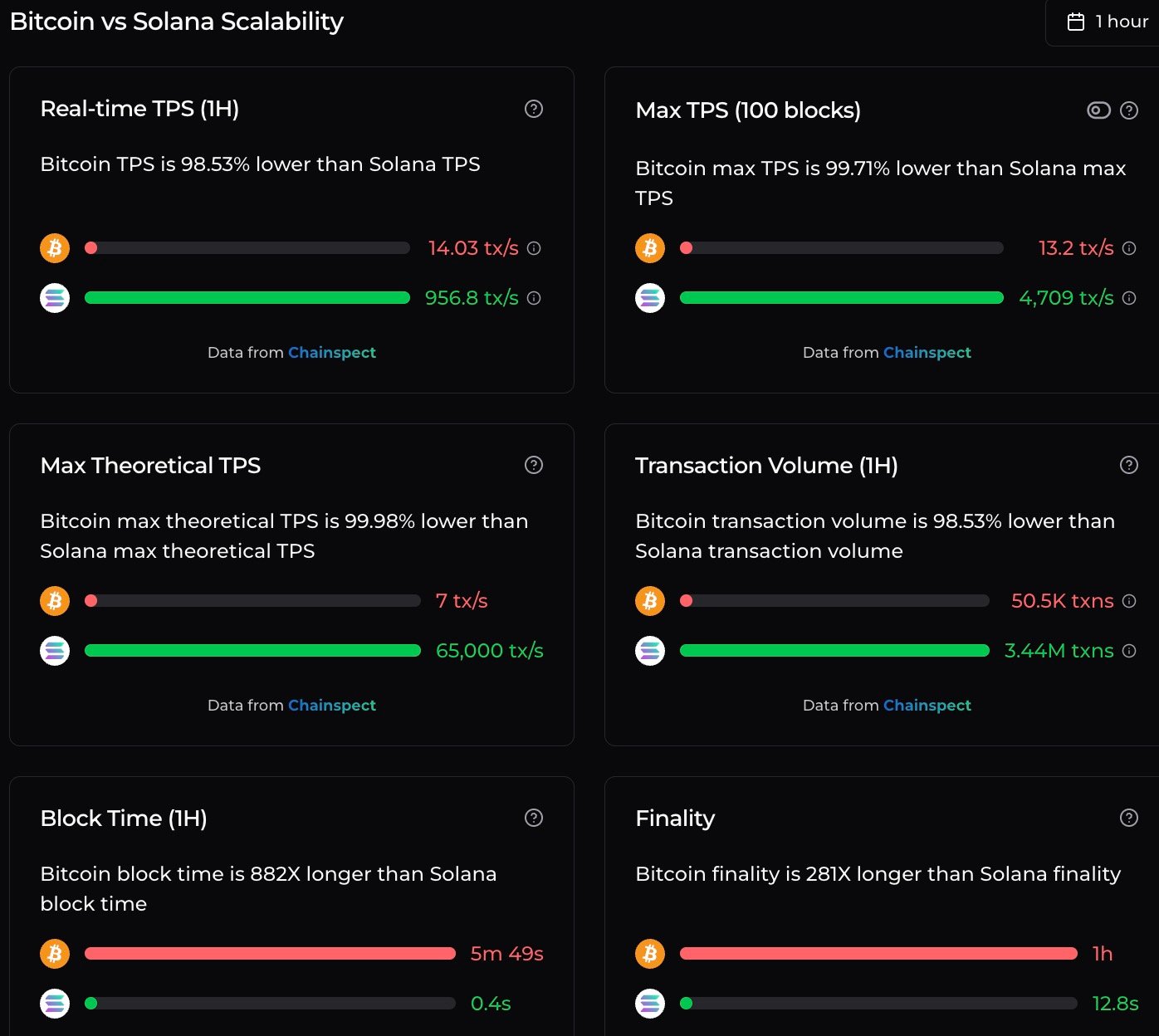
Bitcoin may rule the crypto world but it still moves like it’s stuck in 2013.

Author: Brave Newcoin
How Much Does Web3 Digital Marketing Really Cost in 2025?

How Much Does Web3 Digital Marketing Really Cost in 2025?

The Web3 marketing landscape in 2025 is no longer driven by hype alone it’s powered by data, community trust, and measurable outcomes. As blockchain adoption continues to surge, the market is expected to surpass $12 billion in global Web3 advertising spend by the end of 2025, marking a 40% jump from 2024. Brands are no longer throwing tokens into the void; they’re investing strategically in campaigns that prove traction through wallet analytics, token holder growth, and on-chain engagement. With every project fighting for visibility in a crowded ecosystem, marketing has become one of the biggest differentiators between a token that trends and one that fades. What’s fueling this cost increase? Market maturity and competition. In 2021, a viral meme or quick influencer shoutout could ignite a bull run. But in 2025, investors expect transparency, verified partnerships, and communities built on sustain ed engagement. Data-backed storytelling, AI-driven audience insights, and smart contract–based influencer deals are now standard practices. For startups and established protocols alike, budgeting efficiently often between $25,000 and $100,000 per month has become essential for meaningful traction in the decentralized economy. Table of Contents ∘ What Makes Web3 Marketing Different From Web2 ∘ Key Cost Drivers in Web3 Digital Marketing ∘ Core Web3 Marketing Channels and Average Cost Ranges ∘ Cost Breakdown by Project Type ∘ Hidden and Overlooked Costs ∘ Budget Optimization Strategies ∘ Emerging Trends Shaping Web3 Marketing Costs ∘ Conclusion What Makes Web3 Marketing Different From Web2 Token-Driven Incentives: Turning Audiences Into Stakeholders In Web3, users aren’t just followers they’re part-owners of the ecosystem. Projects reward community members through tokens, NFTs, or airdrops, giving them a tangible stake in growth. This changes the marketing dynamic completely. Instead of paying for clicks or impressions, brands now invest in participation encouraging users to earn, engage, and build alongside them. Uncover the true cost of Web3 Digital Marketing and learn how to plan smarter campaigns that drive lasting growth in 2025. Community Ownership: Building Trust Through Involvement Traditional marketing focuses on conversion funnels; Web3 marketing builds communities. Every campaign centers around trust, transparency, and co-creation. DAOs, Discord servers, and Telegram channels act as the new marketing hubs where loyal supporters become advocates who amplify the message organically. On-Chain Transparency: Data You Can’t Fake Unlike Web2, where marketers rely on third-party data, Web3 runs on verifiable blockchain analytics. Every wallet interaction, token transfer, or community vote is publicly visible. This allows marketers to measure real engagement, not vanity metrics. Tools like Dune and Nansen help projects track authentic wallet activity, ensuring accountability in every campaign. Decentralized Platforms: A New Era Beyond Traditional Ads Web3 marketing thrives outside centralized platforms like Google or Facebook. Instead, projects leverage decentralized ad networks, token-gated communities, and blockchain-native platforms such as Lens Protocol or Farcaster. The focus isn’t on intrusive ads but on meaningful participation where users choose to engage because they benefit directly from it. Key Cost Drivers in Web3 Digital Marketing

  1. Project Type and Stage: From Concept to Scaling The stage of your Web3 project plays a major role in shaping your marketing budget. A pre-launch token project focuses heavily on brand awareness, community building, and KOL engagement typically costing $20,000 to $50,000 monthly. Once the token goes live, expenses increase as you add influencer partnerships, paid ads, and exchange listings. Mature projects entering the scaling phase often spend over $100,000 per month to maintain global presence, partnerships, and investor relations. Simply put, the deeper you go into the market, the higher your spend to stay relevant.
  2. Target Ecosystem: Different Chains, Different Challenges Each blockchain ecosystem brings its own marketing economics. Ethereum-based projects usually target high-value investors and require more sophisticated content and PR spend. On Solana or Base, the community expects faster engagement, meme culture, and viral-driven campaigns. Meanwhile, Polygon and BNB Chain projects prioritize mainstream adoption and cost-efficient promotions. Choosing the right ecosystem affects ad rates, influencer pricing, and even the tone of your community management strategy.
  3. Community Size and Engagement Goals In Web3, community is currency. Growing a loyal base on Discord, Telegram, and X isn’t cheap the larger and more active your community, the higher your operational costs. Managing 10,000 active members may require a full-time moderation team, gamified events, and continuous content drops. Engagement-driven goals like hosting AMAs, airdrops, or NFT campaigns add recurring costs, but they’re crucial for trust and long-term retention.
  4. Compliance, Localization, and Regional Restrictions Marketing across borders adds another layer of cost and complexity. Projects targeting the US, EU, and Asia-Pacific must comply with region-specific regulations such as MiCA and SEC guidelines. Running ad campaigns in these regions often requires legal vetting, localized content, and verified partners all of which can raise costs by 20–30%. Add in language localization for multi-market reach, and your marketing budget grows proportionally with your global ambitions. Core Web3 Marketing Channels and Average Cost Ranges Marketing in Web3 isn’t a one-size-fits-all approach every channel plays a specific role in building awareness, trust, and engagement. Let’s break down the most impactful ones and their average 2025 cost ranges. Influencer & KOL Marketing Influencer or KOL (Key Opinion Leader) marketing remains the heartbeat of Web3 promotion. Micro KOLs with 10K–50K followers typically charge $500 to $2,000 per post, while mid-tier creators fall between $3,000 and $8,000. For large-scale campaigns involving top-tier influencers or joint AMAs, budgets can reach $20,000–$50,000+.
Micro vs. Macro Influencers: Micro KOLs drive authentic engagement and wallet conversions, while macro influencers deliver mass visibility. AMA Sessions & YouTube Breakdowns: Hosting AMAs or review videos typically costs $1,000–$10,000, depending on the creator’s reach. Token-Based Collaborations: Instead of flat payments, many Web3 influencers now prefer rev-share or token deals, aligning incentives with project performance. Community Growth and Management In Web3, your community is your marketing engine. A well-run Discord or Telegram hub can make or break your project’s reputation. Setup & Moderation: Setting up bots, security systems, and round-the-clock moderation can cost $2,000–$5,000 monthly. Airdrops, Bounties & Contests: Running engagement activities like meme challenges or NFT giveaways adds another $3,000–$10,000 per campaign. Loyalty Programs: Reward systems like “engage-to-earn” NFTs or points-based campaigns typically cost $5,000+ per month. A thriving, active community doesn’t just grow organically it’s a consistent investment in both creativity and maintenance. Paid Advertising & PR Crypto-native ad networks and media outlets remain essential for visibility especially during launches. Ad Networks: Platforms like Coinzilla, Bitmedia, and Cointraffic charge $5–$20 CPM, with monthly budgets ranging between $10,000–$30,000. Sponsored Articles & Media Partnerships: Publishing on sites like Cointelegraph or Decrypt can cost $2,000–$10,000 per article. Press Release Syndication: Global PR distribution through agencies or aggregators averages $1,500–$5,000 per release. These investments amplify credibility and attract investors while balancing compliance and audience reach. Content Marketing Quality content still reigns supreme it educates, builds trust, and drives long-term engagement. SEO Blogs & Newsletters: Professional Web3 content writing costs $200–$500 per article, while ongoing SEO retainers start around $3,000/month. Visual Content: Explainer videos, animations, and infographics range from $1,000–$10,000, depending on complexity. On-Chain Storytelling: Data-driven storytelling using dashboards (like Dune or Nansen) helps visualize success transparently an emerging trend with high ROI in 2025. Event & Conference Marketing Physical and hybrid events remain powerful trust-builders for Web3 projects. Sponsorships: Major conferences such as Token 2049, ETHGlobal, and Consensus offer packages from $10,000 to $100,000+, depending on tier. Booths & Merchandise: Booth design, logistics, and branded merch can easily cost $5,000–$25,000. Networking & Activations: Hosting private meetups or NFT-gated parties adds another $5,000–$15,000, but delivers unmatched brand exposure. Cost Breakdown by Project Type
  1. Token Launch Projects: Building Awareness From Scratch Launching a token in 2025 requires more than just hype it needs credibility and community alignment. A full-fledged token launch campaign can range from $25,000 to $75,000 per month, depending on the project’s scale and tokenomics.
Pre-Launch Phase: Focuses on brand identity, whitepaper promotion, and KOL outreach. Launch Phase: Involves exchange marketing, AMAs, influencer videos, and PR campaigns. Post-Launch: Includes liquidity support, community retention, and staking or governance updates. The cost goes beyond ads; it’s about sustained engagement and regulatory-safe messaging to attract real investors, not just speculators.
  1. NFT and GameFi Campaigns: Creativity Meets Utility NFT and GameFi projects thrive on storytelling and immersive engagement. Their campaigns typically cost $15,000 to $50,000 monthly, balancing art, gamification, and influencer pushes.
Core Costs: Include NFT minting site promotion, social contests, and artist collaborations. Community Gamification: Rewards, leaderboard systems, and NFT staking incentives add operational expenses. Cross-Promotions: Partnerships with metaverse projects or launchpads can further raise visibility but also increase spend. Here, creativity directly impacts conversion unique narratives win over repetitive drops.
  1. DeFi or RWA Protocols: The Most Regulation-Heavy Campaigns Marketing for DeFi or Real-World Asset (RWA) platforms demands credibility, education, and compliance. Budgets typically range from $30,000 to $120,000 per month, given the professional audience and global investor focus.
Thought Leadership: Long-form educational content, research reports, and industry AMAs. Compliance & PR: Legal reviews, cross-border campaigns, and top-tier PR placements. Institutional Outreach: Conferences, webinars, and B2B partnerships. Since DeFi and RWA sectors attract regulators and traditional investors alike, every piece of content must build confidence through transparency and verifiable metrics.
  1. Memecoin or Viral Marketing Projects: Hype With Humor Memecoin campaigns are all about community power and viral moments. Budgets start at $10,000 and can go up to $40,000, depending on scale.
Social Media Blitz: Meme creation, contests, and daily engagement on X and Telegram. Influencer Collabs: Quick-turn promotions with meme accounts or Solana-native KOLs. Airdrops & Liquidity Pools: Incentivized growth through token rewards or staking events. While these campaigns are fast-moving, they require timing, consistency, and a relatable meme identity to go viral sustainably. Hidden and Overlooked Costs
  1. Smart Contract Audits for Credibility Even though audits fall outside direct marketing, they’re essential for building trust. A reputable audit by firms like CertiK or Halborn can cost $10,000–$50,000, but projects often publicize audit certificates as part of their marketing material boosting investor confidence.
  2. Exchange Listing Packages CEX and DEX listings often come bundled with promotional campaigns. For example, a CEX listing campaign can cost $15,000–$100,000, including banner ads, announcements, and sponsored content on the exchange’s platform. DEX listings, though cheaper, still require liquidity incentives and volume-boosting efforts.
  3. Legal, PR, and Reputation Management Legal compliance adds a 10–20% overhead to any Web3 marketing budget. Crafting compliant communication, securing regulatory approvals, and managing crisis PR all demand expert input. Many projects allocate $5,000–$15,000 monthly for these activities to ensure smooth brand positioning.
  4. DAO Voting Rewards or Loyalty Programs Projects that operate as DAOs often need to incentivize participation through rewards or NFTs. Setting up and maintaining such programs can cost $3,000–$10,000 monthly, depending on the number of participants and reward frequency. Though easily overlooked, these initiatives help retain community engagement long after the campaign ends. Budget Optimization Strategies
  5. Balancing Paid, Organic, and Community-Led Growth A successful Web3 marketing strategy doesn’t rely solely on paid ads or influencers it thrives on balance. Paid campaigns help build visibility fast, while organic content builds trust and community-led initiatives sustain long-term engagement. Projects that allocate roughly 60% of their budget to paid efforts and 40% to community and organic growth tend to achieve better retention. Paid exposure attracts users; community authenticity keeps them invested.
  6. Tracking Campaign ROI With On-Chain Analytics In 2025, tracking return on investment goes far beyond likes or clicks. On-chain analytics tools like Dune, Nansen, and Kaito let marketers measure wallet-level behavior from token buys and staking activity to community transactions. This transparency helps projects identify which marketing efforts actually drive wallet conversions. Instead of vanity metrics, campaigns are judged by wallet engagement, liquidity inflows, and retention ratios, making ROI measurement far more accurate than traditional marketing dashboards.
  7. Repurposing Content Across Multiple Platforms Content doesn’t need to be one-and-done. A single AMA session can become a YouTube highlight, a short-form X clip, a blog recap, and even a Discord discussion prompt. Repurposing allows brands to stretch every dollar spent while keeping consistent visibility across Web3 channels. By converting long-form assets into bite-sized, platform-specific content, marketers maintain relevance without overspending on production.
  8. Building Long-Term Credibility Instead of Short-Term Hype The Web3 space has matured past “pump-and-dump” campaigns. In 2025, users reward transparency and consistency over flashy promises. Projects that invest in educational content, regular updates, and community governance tend to see stronger loyalty and organic advocacy. Long-term credibility builds token stability, strengthens reputation, and reduces the need for aggressive paid campaigns later saving costs over time. Emerging Trends Shaping Web3 Marketing Costs
  9. AI-Powered Community Engagement Tools AI is revolutionizing how brands manage communities. Chatbots powered by natural language models can moderate servers, answer FAQs, and even create personalized engagement flows. This automation reduces the need for large moderation teams, saving thousands monthly, while maintaining 24/7 engagement with global users.
  10. Tokenized Influencer Deals and Smart Contract-Based Payments Web3 influencer partnerships are evolving beyond flat fees. In 2025, more creators are being paid through smart contracts tied to campaign milestones or token performance. These tokenized deals align incentives influencers promote projects genuinely because their reward depends on the project’s success. While setup costs are higher initially, this method ensures long-term cost efficiency and credibility.
  11. SocialFi and Decentralized Content Monetization SocialFi platforms like Farcaster, Lens Protocol, and Friend.tech are redefining creator economics. Instead of renting attention from centralized networks, brands directly reward followers and creators through tokens or NFTs. This shift lowers ad spend and promotes peer-to-peer brand advocacy, allowing for more organic exposure at reduced cost.
  12. Data-Driven Personalization and Wallet Segmentation Web3 marketing is getting smarter with wallet segmentation analyzing on-chain behavior to tailor campaigns for different user types. Instead of blasting generic ads, projects target “active stakers,” “NFT traders,” or “DeFi power users” with personalized offers. This data-driven targeting increases engagement rates and reduces wasted ad spend, making marketing more efficient and cost-effective. Conclusion As Web3 enters a new era of maturity in 2025, marketing success isn’t just about how much you spend it’s about how wisely you allocate every dollar. From influencer partnerships and community building to on-chain analytics and AI-driven engagement, every cost contributes to long-term credibility when done right. The projects that thrive are those that balance innovation with transparency, hype with value, and short-term reach with sustainable community trust. In this fast-evolving ecosystem, the smartest marketing investment is one that builds lasting belief not just momentary buzz.
How Much Does Web3 Digital Marketing Really Cost in 2025? was originally published in Coinmonks on Medium, where people are continuing the conversation by highlighting and responding to this story

Author: Medium
GoMining Hosts Exclusive VIP Winery Event and Interactive Bitcoin Experience at EBC 2025

GoMining Hosts Exclusive VIP Winery Event and Interactive Bitcoin Experience at EBC 2025

GoMining joins EBC 2025 in Barcelona as a platinum sponsor, hosting an exclusive VIP winery event and Bitcoin experience with 4.5M users and 10.7M+ TH/s power.

Author: Blockchainreporter
Meta Earth Translates Modular Vision into Verifiable Reality at Token2049 Singapore

Meta Earth Translates Modular Vision into Verifiable Reality at Token2049 Singapore

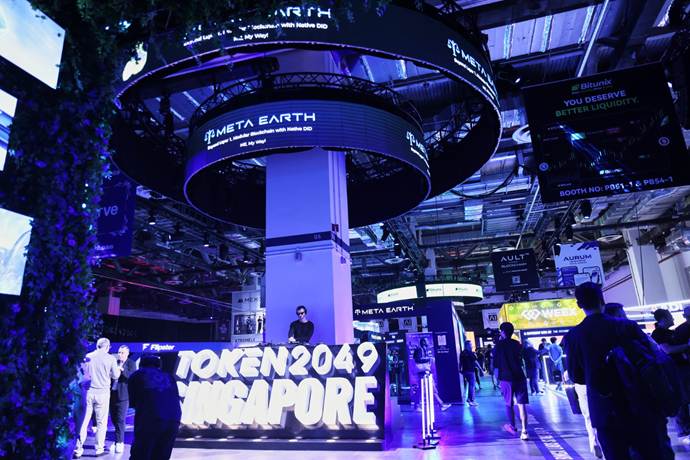
Singapore, October 2025 – The close of Token2049 Singapore underscored Meta Earth’s role in shaping the next phase of Web3. Across two days at Marina Bay Sands, Meta Earth combined modular blockchain demonstrations, verified identity issuance, and live community activities to highlight how its vision of verifiable participation is already moving from theory into practice. […] The post Meta Earth Translates Modular Vision into Verifiable Reality at Token2049 Singapore appeared first on Live Bitcoin News.

Author: LiveBitcoinNews
MoonBull 1000x Meme Coin Presale Outshine Fartcoin, Dogecoin

MoonBull 1000x Meme Coin Presale Outshine Fartcoin, Dogecoin

The post MoonBull 1000x Meme Coin Presale Outshine Fartcoin, Dogecoin appeared on BitcoinEthereumNews.com. Crypto News Explore the 1000x meme coin presale hype. Dive into MoonBull’s presale mechanics vs Fartcoin and Dogecoin. Best crypto pick revealed. What if the next chart-shattering meme rocket is already fueling its engines and only insiders see the ignition? The “1000x meme coin presale” dream lives in whispers right now, but it’s whispering loudest around MoonBull. The crypto crowd is scanning for the next breakout. Early buys in a presale can be game-changers, and MoonBull’s growing buzz makes that feel close enough to grab. Investors have long chased the holy grail of meme coin launches that go 1000x before hitting exchanges. That chase for a “1000x meme coin presale” drives frenzied buys, social buzz, and speculative adrenaline. Among the contenders, Fartcoin and Dogecoin hold cultural weight, yet MoonBull’s presale structure is pulling attention like nothing else. This is a battle between chaos, legacy, and engineered upside. MoonBull ($MOBU): The 1000x Meme Coin Presale with Structure MoonBull ($MOBU) enters the 1000x meme coin presale race as a purpose-built ride. It’s community-first, transparent, and designed to reward holders fairly. The 23-phase presale lets early backers secure low prices before token value climbs. Every transaction fuels auto-liquidity, reflects rewards to holders, and burns supply. Each piece is structured to support real growth, not just hype. This isn’t just a meme, it’s a system designed for smart momentum. Right now, MoonBull is in Stage 4 at $0.00005168 with over $300K raised. More than 1,000 holders have joined in. From this stage to listing at $0.00616, the possible ROI sits at over 11,800%. Early backers already gained 106%. The next price increase is 27.40%, making timing critical. A $20K buy today equals nearly $2.4M at listing. That’s serious upside potential, backed by math, not just meme energy. Staking unlocks at Stage 10 with a…

Author: BitcoinEthereumNews
Next Breakout Crypto? MoonBull Presale Sets Stage for a 1000x Meme Coin Presale Rally as Dogecoin and Fartcoin Surge

Next Breakout Crypto? MoonBull Presale Sets Stage for a 1000x Meme Coin Presale Rally as Dogecoin and Fartcoin Surge

What if the next chart-shattering meme rocket is already fueling its engines and only insiders see the ignition? The “1000x […] The post Next Breakout Crypto? MoonBull Presale Sets Stage for a 1000x Meme Coin Presale Rally as Dogecoin and Fartcoin Surge appeared first on Coindoo.

Author: Coindoo
Best Meme Coin to Buy in 2025 Predicted to Match Dogecoin’s 40x 2017 Bull Surge

Best Meme Coin to Buy in 2025 Predicted to Match Dogecoin’s 40x 2017 Bull Surge

This time, everyone is talking about Little Pepe ($LILPEPE), a meme currency that is growing quickly and combines humor, community […] The post Best Meme Coin to Buy in 2025 Predicted to Match Dogecoin’s 40x 2017 Bull Surge appeared first on Coindoo.

Author: Coindoo
Experts Predict $IPO Could Outperform Top 5 Crypto Presales of 2025

Experts Predict $IPO Could Outperform Top 5 Crypto Presales of 2025

Analysts say $IPO could surpass 2025’s biggest presales, offering regulated $3T market access, AI-driven deal sourcing, and strong 20× growth potential.

Author: Blockchainreporter