Lending

Lending protocols form the backbone of the decentralized money market, allowing users to lend or borrow digital assets without intermediaries. Using smart contracts, platforms like Aave and Morpho automate interest rates based on supply and demand while requiring over-collateralization for security. The 2026 lending landscape features advanced permissionless vaults and institutional-grade credit lines. This tag covers the evolution of capital efficiency, liquidations, and the integration of diverse collateral types, including LSTs and tokenized RWAs.

14354 Articles
Created: 2026/02/02 18:52
Updated: 2026/02/02 18:52
Hidden Market Movers: 8 High ROI Tokens in 2025 That Every Trader Should Watch

Hidden Market Movers: 8 High ROI Tokens in 2025 That Every Trader Should Watch

The hunt for projects that deliver not only hype but also sustainable returns has become one of the most pressing […] The post Hidden Market Movers: 8 High ROI Tokens in 2025 That Every Trader Should Watch appeared first on Coindoo.

Author: Coindoo
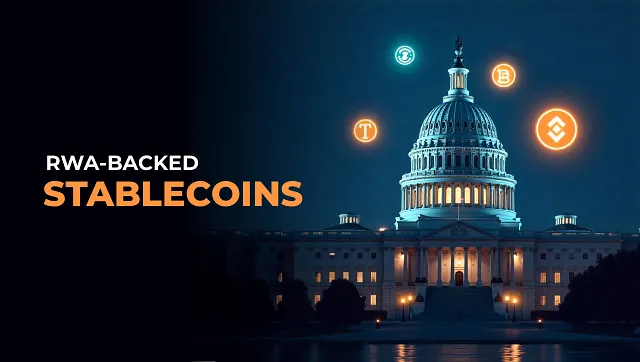
How RWA-Backed Stablecoins Are Transforming Crypto Finance?

How RWA-Backed Stablecoins Are Transforming Crypto Finance?

How RWA-Backed Stablecoins Are Transforming Crypto Finance? The cryptocurrency industry has witnessed exponential growth over the last decade, introducing innovative financial instruments, decentralized finance (DeFi) platforms, and novel forms of digital money. Among these innovations, stablecoins have emerged as critical assets for traders, investors, and institutions looking to mitigate volatility while maintaining the benefits of blockchain technology. Recently, a new class of stablecoins, known as RWA-backed stablecoins, has begun to reshape the crypto finance landscape, bridging the gap between digital assets and tangible real-world assets. In this blog, we explore what RWA-backed stablecoins are, how they function, their integration into the crypto ecosystem, and the transformative impact they are having on crypto finance. What Are RWA-Backed Stablecoins? Stablecoins are cryptocurrencies designed to maintain a stable value by being pegged to a reserve asset, traditionally fiat currencies like the US Dollar (USD) or Euro (EUR). While fiat-backed stablecoins have been widely adopted, they still face challenges such as centralization risks, regulatory scrutiny, and limited transparency regarding reserves. RWA-backed stablecoins, or Real-World Asset-backed stablecoins, take a different approach. Instead of being backed solely by fiat currency or other digital assets, these stablecoins are collateralized with tangible, verifiable real-world assets, such as: Commercial real estate Bonds and debt instruments Commodities like gold or silver Infrastructure projects Treasury securities By linking digital tokens to real-world assets, RWA-backed stablecoins aim to provide greater stability, transparency, and trust, making them particularly appealing to institutional investors and businesses seeking reliable on-chain collateral. How RWA-Backed Stablecoins Work? The mechanism behind RWA-backed stablecoins involves several key steps: Asset Acquisition and Verification A trusted custodian acquires or holds real-world assets as collateral. These assets are then verified and documented to ensure their legitimacy and value. Token MintingOnce authenticated, stablecoins are minted on the blockchain, with each token representing a stake in the underlying asset. Smart Contract ManagementThe stablecoins are managed via smart contracts, ensuring automated issuance, redemption, and compliance. These contracts also enable transparency, as users can verify collateral reserves on-chain. Redemption and LiquidationUsers can redeem RWA-backed stablecoins for the underlying assets if needed. In cases where the stablecoin value drops due to market fluctuations, smart contracts can trigger partial liquidation to maintain stability. This system combines the security and programmability of blockchain with the tangible value of real-world assets, creating a hybrid financial model that addresses many of the shortcomings of traditional stablecoins. The Advantages of RWA-Backed Stablecoins

  1. Enhanced StabilityUnlike fiat-backed stablecoins, which may be affected by central bank policies or banking risks, RWA-backed stablecoins derive their value from tangible, real-world assets. This ensures that their value remains more stable over time, particularly during market turbulence.
  2. Transparency and TrustOne of the main criticisms of fiat-backed stablecoins is the lack of transparency regarding reserves. RWA-backed stablecoins often include audited asset documentation and blockchain verification, allowing users to see exactly what backs each token. This builds trust among institutional and retail investors.
  3. Greater Regulatory ComplianceRWA-backed stablecoins can facilitate compliance with financial regulations, as the assets backing them are often subject to standard financial oversight. This makes them an attractive option for businesses seeking legitimate, legally recognized collateral for DeFi applications.
  4. Access to Traditional FinanceBy tokenizing real-world assets, RWA-backed stablecoins allow crypto investors to gain exposure to traditional financial markets without leaving the blockchain ecosystem. For example, a stablecoin backed by commercial real estate can provide users with a decentralized way to invest in real estate.
  5. Improved DeFi OpportunitiesRWA-backed stablecoins expand the DeFi ecosystem by providing a more secure and less volatile form of collateral. Lending platforms, decentralized exchanges, and yield farming protocols can integrate these stablecoins to reduce risk and attract institutional capital. Key Use Cases of RWA-Backed Stablecoins
  6. Decentralized Lending and BorrowingStablecoins are already a cornerstone of lending protocols like Aave, Compound, and MakerDAO. With RWA-backed stablecoins, lenders can reduce the risk of collateral volatility, while borrowers gain access to a more stable borrowing currency.
  7. Cross-Border PaymentsDue to their stable value and transparency, RWA-backed stablecoins are ideal for cross-border payments and remittances. Businesses and individuals can transfer money quickly, securely, and with lower fees, bypassing traditional banking intermediaries.
  8. Tokenized Real Estate and InfrastructureInvestors can gain fractional exposure to real estate, infrastructure projects, or commodities through RWA-backed stablecoins. This democratizes access to high-value assets and increases liquidity in traditionally illiquid markets.
  9. Hedging and Risk ManagementRWA-backed stablecoins provide a reliable tool for hedging against cryptocurrency volatility. Traders and institutions can park value in a stable asset while maintaining exposure to DeFi ecosystems.
  10. Institutional AdoptionBy combining regulatory compliance, transparency, and asset-backed stability, RWA-backed stablecoins attract institutional investors, bridging the gap between traditional finance and blockchain technology. Challenges in Integrating RWA-Backed Stablecoins Despite their promise, RWA-backed stablecoins face several challenges:
  11. Regulatory UncertaintyWhile RWA-backed stablecoins can facilitate compliance, the regulatory landscape for tokenized real-world assets is still evolving. Countries may impose different rules regarding custody, issuance, and trading.
  12. Custody and Audit ComplexityMaintaining custody of real-world assets and regularly auditing them can be complex and costly. Any mismanagement may undermine the stablecoin’s credibility and value.
  13. Liquidity RisksUnlike fiat-backed stablecoins, some real-world assets are less liquid. Selling or redeeming tokens backed by these assets may take longer, potentially affecting price stability in volatile markets.
  14. Smart Contract VulnerabilitiesWhile blockchain ensures transparency, smart contracts are not immune to vulnerabilities. Integration with RWA-backed stablecoins requires robust contract development and rigorous security audits. Examples of RWA-Backed Stablecoins Several projects are pioneering the use of real-world assets in stablecoin design: MakerDAO’s Multi-Collateral DAI — Although primarily crypto-backed, MakerDAO is exploring integration with real-world assets like bonds to diversify collateral. Centrifuge / Tinlake — Allows real-world assets such as invoices, real estate loans, and trade receivables to be tokenized and used as DeFi collateral. Stably — Offers stablecoins backed by traditional assets with strong regulatory oversight. These examples highlight the growing trend of bridging real-world finance and blockchain technology. The Transformative Impact on Crypto Finance RWA-backed stablecoins are set to transform crypto finance in multiple ways:
  15. Increased Stability Across the EcosystemBy tethering digital assets to real-world collateral, stablecoins can resist extreme crypto market volatility, reducing systemic risk across lending platforms, exchanges, and trading protocols.
  16. Expansion of DeFi into Traditional FinanceTokenized real-world assets allow DeFi platforms to tap into previously inaccessible markets, such as commercial real estate, bonds, and commodities, making DeFi more inclusive and globally relevant.
  17. Institutional ParticipationInstitutions, previously wary of cryptocurrency volatility and regulatory ambiguity, are now showing interest in RWA-backed stablecoins. This infusion of institutional capital could accelerate mainstream adoption.
  18. Improved Risk Management ToolsFinancial professionals can use RWA-backed stablecoins to hedge, collateralize, and manage risk more effectively, creating a more robust and professionalized DeFi ecosystem.
  19. Enhanced Trust and TransparencyTransparency regarding the underlying assets reassures both investors and regulators, increasing confidence in blockchain-based financial instruments. Future Outlook The future of RWA-backed stablecoins looks promising. Key trends likely to shape this market include: Increased Regulatory Clarity: Governments are gradually providing guidance for tokenized assets, encouraging responsible innovation. Cross-Border Integration: Stablecoins could streamline global payments and remittances, reducing dependency on fiat and correspondent banks. Hybrid Financial Models: Combining digital and real-world assets could become standard, creating more resilient financial systems. Institutional-Grade Products: Banks and investment firms may issue or support RWA-backed stablecoins as part of their asset management strategies. In essence, RWA-backed stablecoins are not just another crypto innovation — they represent a fundamental step in bridging traditional finance and decentralized technology. Conclusion RWA-backed stablecoins are redefining the boundaries of cryptocurrency finance. By linking digital assets with tangible real-world collateral, they provide stability, transparency, and trust that traditional stablecoins often lack. From improving DeFi protocols to enabling institutional adoption and cross-border payments, these tokens are paving the way for a more resilient and inclusive crypto financial ecosystem. As the blockchain industry matures, RWA-backed stablecoins will likely play a pivotal role in integrating traditional finance with decentralized systems, making them one of the most transformative innovations in modern crypto finance.
How RWA-Backed Stablecoins Are Transforming Crypto Finance? was originally published in Coinmonks on Medium, where people are continuing the conversation by highlighting and responding to this story

Author: Medium
Bitcoin Price Today; Cardano Latest News & Best Crypto Tokens to Buy in September?

Bitcoin Price Today; Cardano Latest News & Best Crypto Tokens to Buy in September?

September has started strongly for the crypto market. Bitcoin is holding above $110,000, maintaining momentum as ETF optimism builds. Cardano is gaining attention again thanks to its shift in development strategy. And one new token, Layer Brett, is turning heads with high staking rewards and fast-growing community traction. As Q4 approaches, traders are keeping a […]

Author: Cryptopolitan
Paxos and PayPal Push USDH into the Mainstream of Global Payments

Paxos and PayPal Push USDH into the Mainstream of Global Payments

TLDR Paxos & PayPal push USDH global with $20M boost and DeFi-first incentives. PayPal integrates USDH, fueling DeFi adoption and worldwide payments reach. Paxos redefines stablecoins: PayPal deal, $20M push, DeFi-first alignment. USDH set to rival top stablecoins via PayPal integration & ecosystem rewards. Paxos & PayPal team up to make USDH the DeFi gateway [...] The post Paxos and PayPal Push USDH into the Mainstream of Global Payments appeared first on CoinCentral.

Author: Coincentral
Next Crypto to Hit $1? DOGE and SHIB Are Old Stories Now, But This Undervalued DeFi Crypto Recently Raised $15.5M Looks Ready

Next Crypto to Hit $1? DOGE and SHIB Are Old Stories Now, But This Undervalued DeFi Crypto Recently Raised $15.5M Looks Ready

The world remembers the meteoric rise of DOGE and SHIB. Both captured headlines, fueled by social media hype and meme culture. Yet, beyond the excitement, their practical utility remains limited. Retail investors and institutions alike are learning that nostalgia and hype do not sustain long-term returns. Enter Mutuum Finance (MUTM), a DeFi token designed for [...] The post Next Crypto to Hit $1? DOGE and SHIB Are Old Stories Now, But This Undervalued DeFi Crypto Recently Raised $15.5M Looks Ready appeared first on Blockonomi.

Author: Blockonomi
SEC Chair Unveils New Regulatory Framework for Digital Assets

SEC Chair Unveils New Regulatory Framework for Digital Assets

In a significant shift in U.S. cryptocurrency regulation, Securities and Exchange Commission (SEC) Chair Paul Atkins announced a new approach to governing the digital asset space during a recent OECD Roundtable keynote. He stated that “most crypto tokens are not securities,” a comment that stands in stark contrast to previous regulatory stances. This new perspective … Continue reading "SEC Chair Unveils New Regulatory Framework for Digital Assets" The post SEC Chair Unveils New Regulatory Framework for Digital Assets appeared first on Cryptoknowmics-Crypto News and Media Platform.

Author: Coinstats
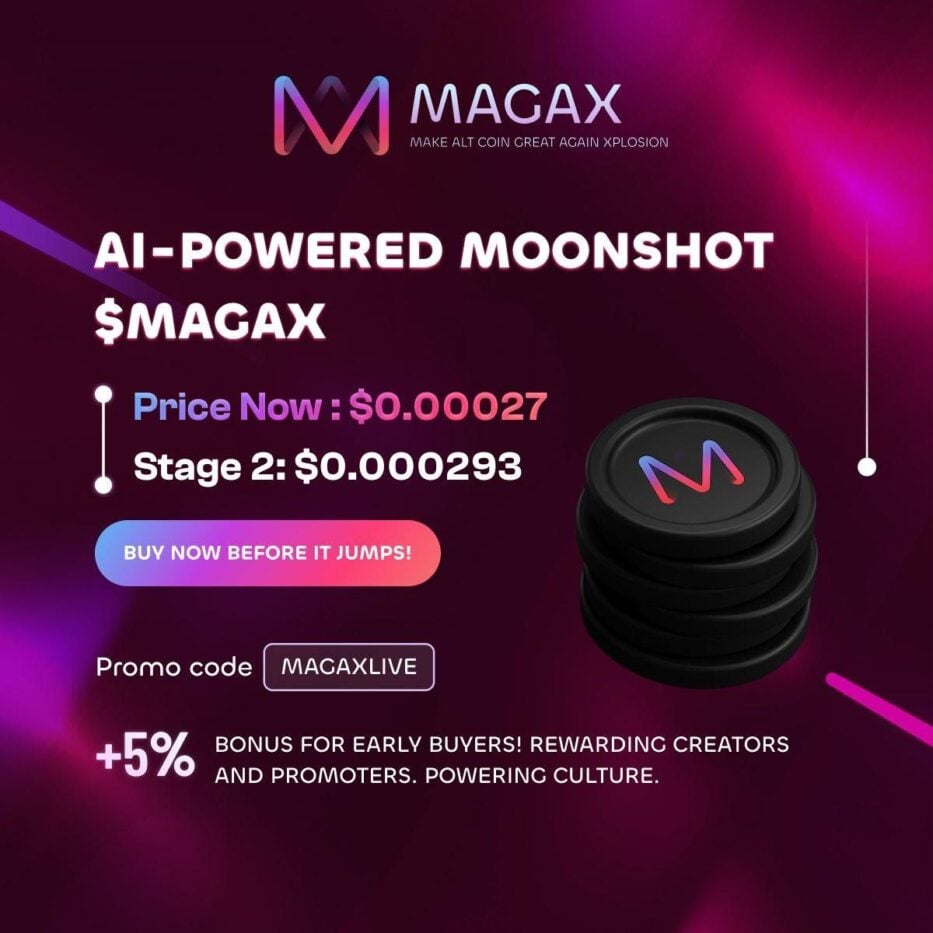
Top 4 Crypto Presales to Watch Now: MAGAX, Bitcoin Hyper, Little Pepe & PEPENODE

Top 4 Crypto Presales to Watch Now: MAGAX, Bitcoin Hyper, Little Pepe & PEPENODE

Crypto presales are where fortunes are often made, offering early access to projects before they explode onto major exchanges. Right now, four names are commanding attention: MAGAX, Bitcoin Hyper, Little Pepe, and PEPENODE. Each brings unique strengths, but one—MAGAX—is setting itself apart by combining culture, rewards, and blockchain innovation into a single disruptive force. Let’s [...] The post Top 4 Crypto Presales to Watch Now: MAGAX, Bitcoin Hyper, Little Pepe & PEPENODE appeared first on Blockonomi.

Author: Blockonomi
US SEC Chairman: Most tokens are not securities, supporting "super application" platforms

US SEC Chairman: Most tokens are not securities, supporting "super application" platforms

PANews reported on September 10th that, according to Cointelegraph, U.S. Securities and Exchange Commission (SEC) Chairman Paul Atkins stated that "most crypto tokens are not securities," and he also outlined a comprehensive plan to bring crypto activities such as trading, lending, and staking under a unified regulatory framework. Atkins stated at the OECD Roundtable in Paris on Wednesday that the U.S. SEC will open a new chapter, in which policies will no longer be formulated by ad hoc enforcement actions, but will provide clear rules to help innovators develop. The Presidential Task Force on Digital Asset Markets has submitted a "bold blueprint" to support this mission. The SEC's updated strategy includes allowing platforms to operate as "super apps," facilitating the trading, lending, and staking of digital assets under a single regulatory framework. Atkins stated that these platforms should also be flexible and able to offer a variety of custody solutions. Atkins believes that regulation should be moderate to avoid burdening entrepreneurs. He also praised the EU's MiCA framework and called for international cooperation to promote innovative markets.

Author: PANews
$200 Investment in Mutuum Finance (MUTM) May Blow to $10,000 at Launch, Say Analysts

$200 Investment in Mutuum Finance (MUTM) May Blow to $10,000 at Launch, Say Analysts

The post $200 Investment in Mutuum Finance (MUTM) May Blow to $10,000 at Launch, Say Analysts appeared on BitcoinEthereumNews.com. Mutuum Finance (MUTM) is rapidly becoming the new hot play in the cryptocurrency market. Analysts are eyeing a stunning launch splash that may transform a modest $200 investment into a potential $10,000 profit. Mutuum Finance presale currently stands at Stage 6 at $0.035. The platform has already secured more than $15.5 million in capital and boasts more than 16,150 token holders.  With growth in the decentralized finance (DeFi) market, Mutuum Finance (MUTM) is building momentum for its innovative model of borrowing, lending, and liquidity management, sparking speculation over a breakout listing. With its soon-to-be-listed token already causing tongues to start wagging in the marketplace, investors and traders are watching MUTM for indications of early strength. Presale  Mutuum Finance has already gone into presale stage 6 where the token can be purchased at $0.035. The project already has more than 16,150 token holders, and already raised more than $15.5 million. FOMO is moving at lightning speed. Early buyers are on track for life-changing returns. Shaping the Future of DeFi Mutuum Finance is tipped to be a key player as DeFi extends its reach globally. The platform is built with institutional and retail investors in mind. Mutuum Finance is making massive jumps with its revolutionary smart contract paradigm and emphasis on security and scalability. Mutuum finance also launched a $100,000 giveaway where 10 users are to be given $10,000 in MUTM tokens. The campaign is an example of the project’s focus towards establishing a long-term and loyal group of users. DeFi Lending Based on a Strong Dual-Model System Mutuum Finance’s way of DeFi ensures that as the platform user you’re always in control of your assets. Through lending, users are rewarded with passive income from borrowers and lenders, and access to funds is instant by borrowing multiple assets across loan value. The…

Author: BitcoinEthereumNews
Ethereum’s Vision: Cardano Founder Declares Initial Goals Unfulfilled

Ethereum’s Vision: Cardano Founder Declares Initial Goals Unfulfilled

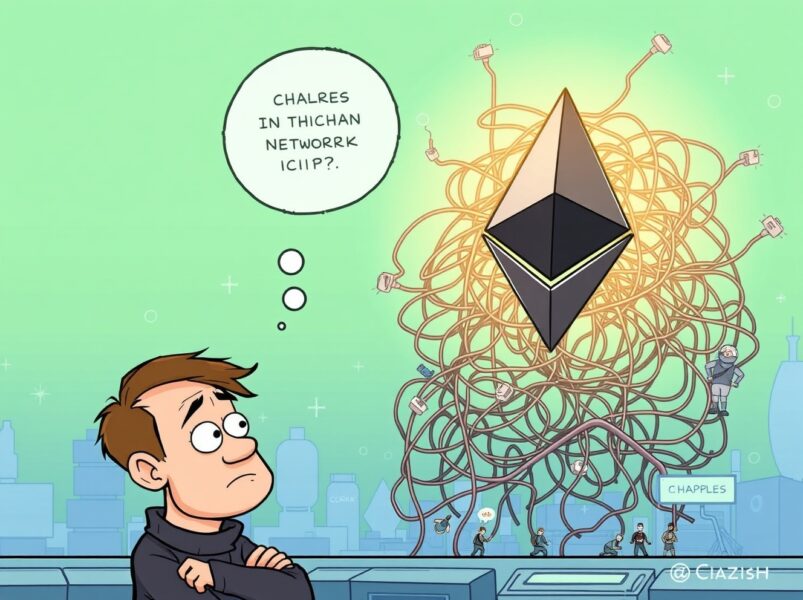
BitcoinWorld Ethereum’s Vision: Cardano Founder Declares Initial Goals Unfulfilled The cryptocurrency world is buzzing with a critical assessment from Charles Hoskinson, the visionary founder of Cardano (ADA). He recently made headlines by stating that the Ethereum layer-one network, despite its prominence, has fundamentally failed to realize the initial Ethereum’s vision designed by its original co-founders. This isn’t just a casual observation; it’s a deep dive into the foundational challenges facing one of the most important blockchain platforms today. What Was the Original Ethereum’s Vision? When Ethereum first launched, its ambition was monumental: to create a global, decentralized computer capable of running immutable smart contracts and fostering an entirely new financial system known as Decentralized Finance (DeFi). The idea was to build a robust, scalable, and accessible platform for everyone, empowering developers to build applications without intermediaries. This revolutionary Ethereum’s vision promised a future of unprecedented innovation and financial freedom. However, as Hoskinson pointed out in an exclusive interview with CoinDesk, the reality has diverged significantly from this initial dream. While Ethereum remains central to the smart contract and DeFi landscape, it continues to grapple with persistent issues that hinder its widespread adoption and efficiency. The Persistent Challenges Facing Ethereum’s Vision Hoskinson highlighted two primary pain points that have plagued the network for years: Scalability: The ability of the network to handle a growing number of transactions per second remains a significant hurdle. As more users and applications join, the network struggles to keep up. High Transaction Fees (Gas Fees): During periods of high demand, the cost of performing transactions on Ethereum can skyrocket, making it prohibitively expensive for many users and smaller transactions. This directly impacts accessibility, a core tenet of the original Ethereum’s vision. These challenges aren’t new, but Hoskinson’s critique suggests they are symptomatic of a deeper, unaddressed flaw in the network’s foundational design. Are Layer-2 Solutions a True Fix or Just a Band-Aid for Ethereum’s Vision? In response to these scalability and fee issues, the Ethereum ecosystem has seen the rise of numerous layer-two (L2) solutions. These are secondary frameworks built on top of the main Ethereum blockchain, designed to process transactions off-chain and then settle them back on the main network, thereby reducing congestion and fees. Examples include rollups (optimistic and zero-knowledge) and sidechains. While widely adopted and praised by many, Hoskinson views these L2 solutions with skepticism. He assessed that they are “merely a temporary fix” that, in the long run, could “undermine the ecosystem’s long-term sustainability.” His concern stems from the idea that relying heavily on L2s might fragment the network, introduce new complexities, and potentially compromise the decentralization and security that are fundamental to a layer-one blockchain. This perspective isn’t entirely new from the Cardano founder. Back in April, he made a bold prediction, stating that he believes the Ethereum network would not last more than 10 to 15 years. This highlights a deep-seated belief that the current trajectory of Ethereum’s vision is unsustainable without more fundamental changes. What Does This Mean for the Future of Decentralized Finance? Hoskinson’s comments spark an important debate about the future direction of decentralized finance and blockchain technology. If a leading layer-one network like Ethereum is struggling to meet its initial promises, what does this imply for the broader industry? It underscores the critical importance of foundational design choices and the need for robust, scalable solutions that don’t compromise core principles like decentralization and security. The ongoing efforts to improve Ethereum, such as the transition to Ethereum 2.0 (now known as the Merge and subsequent upgrades), aim to address some of these very issues, particularly scalability through sharding. However, Hoskinson’s critique suggests that even these significant upgrades might not fully align with what was originally envisioned, or might introduce their own set of trade-offs. A Critical Look at Ethereum’s Vision: The Takeaway Charles Hoskinson’s candid remarks serve as a powerful reminder that even the most influential blockchain networks face significant hurdles. His assertion that Ethereum has fallen short of its initial Ethereum’s vision prompts us to consider the long-term implications of current scaling strategies. While layer-two solutions offer immediate relief, the fundamental questions about scalability, cost, and true decentralization on the base layer remain central to the ongoing evolution of the blockchain space. This critical dialogue is essential for fostering innovation and building truly sustainable decentralized ecosystems for the future. Frequently Asked Questions (FAQs) Q1: Who is Charles Hoskinson? A1: Charles Hoskinson is a prominent figure in the cryptocurrency space, known as a co-founder of Ethereum and the founder of Cardano (ADA), another major blockchain platform. Q2: What are the main challenges Charles Hoskinson identified for Ethereum? A2: He highlighted persistent problems with network scalability and high transaction fees, often referred to as gas fees, which he believes hinder the realization of Ethereum’s vision. Q3: What are Layer-2 solutions, and why is Hoskinson skeptical of them? A3: Layer-2 solutions are secondary frameworks built on top of Ethereum to improve scalability and reduce fees by processing transactions off-chain. Hoskinson views them as temporary fixes that could undermine the ecosystem’s long-term sustainability due to potential fragmentation and complexity. Q4: Did Hoskinson make any long-term predictions about Ethereum? A4: Yes, in April, he predicted that the Ethereum network might not last more than 10 to 15 years, underscoring his concerns about its long-term viability without fundamental changes. Q5: How does this critique relate to Cardano? A5: While the article focuses on Ethereum, Hoskinson’s critique implicitly positions Cardano as an alternative blockchain designed with a different approach to scalability and sustainability from its inception, aiming to fulfill a robust Ethereum’s vision. Q6: What is Decentralized Finance (DeFi)? A6: DeFi refers to a financial system built on blockchain technology, primarily Ethereum, that aims to remove intermediaries like banks from financial services, offering decentralized lending, borrowing, trading, and more. Did you find this analysis insightful? Share your thoughts and this article with your network to spark further discussion on the future of blockchain technology and Ethereum’s vision! To learn more about the latest crypto market trends, explore our article on key developments shaping Ethereum’s future price action. This post Ethereum’s Vision: Cardano Founder Declares Initial Goals Unfulfilled first appeared on BitcoinWorld and is written by Editorial Team

Author: Coinstats