NFT

NFTs are unique digital identifiers recorded on a blockchain that certify ownership and authenticity of a specific asset. Moving past the "PFP" craze, 2026 NFTs emphasize utility, representing everything from IP rights and digital fashion to RWA titles and event ticketing. This tag explores the technical standards of digital ownership, the growth of NFT marketplaces, and the integration of non-fungible tech into the broader Creator Economy and enterprise solutions.

13283 Articles
Created: 2026/02/02 18:52
Updated: 2026/02/02 18:52

UQUID and Tether Gold Transform Web3 Shopping with Digital Gold Reward

UQUID and Tether Gold Transform Web3 Shopping with Digital Gold Reward

UQUID and Tether Gold ($XAUT) have joined forces to launch “The New Gold Rush,” that rewards shoppers with digital gold for everyday purchases worldwide.

Author: Blockchainreporter
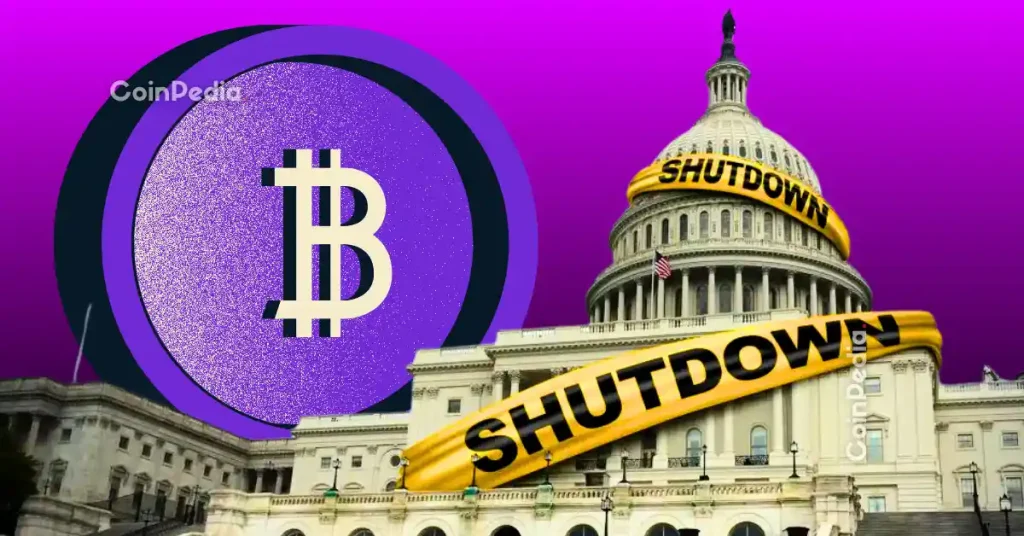
U.S. Government Shutdown Update: Federal Reopening Expected This Week

U.S. Government Shutdown Update: Federal Reopening Expected This Week

The post U.S. Government Shutdown Update: Federal Reopening Expected This Week appeared first on Coinpedia Fintech News The long-running U.S. government shutdown could soon come to an end after the House Rules Committee approved a Senate-passed funding bill aimed at reopening federal agencies. The decision marks a major step toward restoring normal government operations, with a full House vote expected as early as Wednesday afternoon. House Committee Clears Path for Final Vote …

Author: CoinPedia
Crypto Market Holds Steady as Fear Lingers

Crypto Market Holds Steady as Fear Lingers

The crypto market holds steady amid fear, with China alleging $13B Bitcoin ($BTC) theft and UAE is set to complete its first CBDC transaction.

Author: Blockchainreporter
Did You Miss XLM’s Explosive Start? LivLive ($LIVE) Price News Points Toward the Next 100x Crypto to Buy This Year

Did You Miss XLM’s Explosive Start? LivLive ($LIVE) Price News Points Toward the Next 100x Crypto to Buy This Year

How many people skip crypto chances at the perfect moment, only to wonder why others pull off wild wins later? Every cycle repeats the same pattern. A golden entry appears, most scroll past it, and a small group walks away with massive outcomes. LivLive ($LIVE) sits inside that window tied to the next 100x crypto […] The post Did You Miss XLM’s Explosive Start? LivLive ($LIVE) Price News Points Toward the Next 100x Crypto to Buy This Year appeared first on Live Bitcoin News.

Author: LiveBitcoinNews
Top Crypto Presale Projects to Watch in 2025 for Early Buyers

Top Crypto Presale Projects to Watch in 2025 for Early Buyers

Which assets offer the strongest potential for early buyers reviewing PepePawn, SHHEIKH, Tapzi, Zephyr, Ionix Chain, and PEPENODE? Each project brings unique value and clear development goals built for different market needs. Their positioning becomes even more meaningful when compared to the large scale financial strategy advancing through BlockchainFX. BlockchainFX continues gaining momentum with 11.1M+ […] The post Top Crypto Presale Projects to Watch in 2025 for Early Buyers appeared first on Live Bitcoin News.

Author: LiveBitcoinNews
How to Conduct a Smart Contract Audit Efficiently Without Missing Critical Flaws?

How to Conduct a Smart Contract Audit Efficiently Without Missing Critical Flaws?

In the rapidly evolving blockchain ecosystem, smart contracts act as the backbone of decentralized applications, enabling automated, trustless transactions without intermediaries. While their potential is immense, their security vulnerabilities can result in devastating consequences. A single flaw in a smart contract can lead to financial losses amounting to millions, irreversible errors, and significant reputational damage. As blockchain adoption grows, ensuring the integrity and security of smart contracts is no longer optional — it is critical for safeguarding both assets and trust within the network. Table of Contents ∘ Understanding Smart Contract Audits ∘ Preparing for a Successful Audit ∘ Identifying Common Smart Contract Vulnerabilities ∘ Step-by-Step Smart Contract Audit Process ∘ Reporting and Remediation ∘ Best Practices for Continuous Security ∘ Choosing the Right Tools and Platforms ∘ Case Studies and Lessons Learned The Financial and Reputational Risks of Vulnerable Contracts The stakes of deploying insecure smart contracts are high. Exploits and bugs have historically led to high-profile losses in DeFi, NFT platforms, and crypto exchanges. Beyond immediate financial damage, organizations face long-term reputational harm, eroding investor confidence and user trust. Moreover, regulatory scrutiny is intensifying, and deploying vulnerable contracts without thorough audits could expose developers to legal liabilities. Protecting smart contracts is, therefore, a fundamental aspect of maintaining credibility and ensuring sustainable growth in the blockchain space. Understanding Smart Contract Audits What Is a Smart Contract Audit and Why It Matters A smart contract audit is a detailed review of the code and design of a smart contract to identify vulnerabilities, inefficiencies, or unintended behaviors before deployment. Unlike traditional software, smart contracts operate in immutable environments — once deployed, their code cannot be altered without significant consequences. Audits are crucial to prevent exploits, ensure the contract functions as intended, and instill confidence among users and investors. Key Objectives of an Audit: Security, Compliance, and Reliability The primary goal of a smart contract audit is to ensure security. Auditors scrutinize the code for common vulnerabilities such as reentrancy attacks, integer overflows, and access control issues. Beyond security, audits also verify compliance with industry standards and regulatory requirements, ensuring that contracts operate within legal and ethical boundaries. Finally, reliability is assessed to guarantee that contracts perform as expected under various conditions, maintaining smooth operations and user trust. Common Misconceptions About Smart Contract Auditing Many assume that a smart contract audit guarantees absolute security; however, audits can only minimize risk — they cannot eliminate it entirely. Another misconception is that audits are only necessary for large or high-value projects, when, in reality, even smaller contracts can be targets for attackers. Finally, some developers believe automated tools alone are sufficient, but human expertise remains critical for identifying subtle logic flaws and ensuring comprehensive evaluation. Preparing for a Successful Audit Defining Audit Goals: Security, Functionality, and Optimization Before starting an audit, it’s essential to define clear objectives. Security is always the top priority, but functionality and performance must also be assessed. A well-prepared audit ensures that your smart contract not only resists attacks but also performs its intended functions flawlessly. Setting goals early allows auditors to focus on critical components, reducing the likelihood of missed vulnerabilities and unnecessary delays. Gathering Necessary Resources and Documentation A successful audit relies on having the right documentation and resources available. This includes the complete codebase, system architecture diagrams, technical specifications, and any previous audit reports. Clear documentation helps auditors understand how the contract is intended to function, which significantly improves the efficiency and accuracy of the audit process. Choosing the Right Audit Team: Internal vs External Experts Selecting a capable audit team is crucial. Internal teams may have deeper knowledge of the project but could overlook blind spots due to familiarity. External experts bring objectivity, specialized expertise, and exposure to a variety of vulnerabilities across projects. Many organizations adopt a hybrid approach, combining internal familiarity with external auditing rigor to maximize security coverage. Establishing Audit Timelines and Milestones Time management is key in auditing. Establishing clear timelines and milestones ensures that the audit process remains structured and comprehensive. Dividing the audit into phases — such as preliminary review, in-depth testing, and remediation — allows teams to monitor progress and address critical issues promptly without overwhelming developers or delaying deployment. Identifying Common Smart Contract Vulnerabilities Reentrancy Attacks and How to Prevent Them Reentrancy occurs when a contract allows external calls before completing its internal operations, enabling attackers to exploit this flow to drain funds. Preventing reentrancy requires careful ordering of operations, the use of mutexes, and avoiding external calls in critical functions. Auditors must simulate multiple attack scenarios to detect potential risks. Integer Overflow and Underflow Errors Arithmetic operations in smart contracts can be vulnerable to overflow or underflow, which can manipulate balances or execute unauthorized transactions. Using safe arithmetic libraries or built-in safeguards in modern blockchain platforms ensures these errors are caught before deployment. Access Control Misconfigurations Contracts often include privileged functions that should only be accessible to certain addresses or roles. Misconfigured access control can allow unauthorized users to execute sensitive operations. Auditors verify that roles, permissions, and ownership structures are properly implemented and cannot be bypassed. Logic Flaws and Unexpected Contract Behavior Even if a contract is free from common exploits, poor logic design can lead to unintended behavior. This could include incorrect calculations, conditional failures, or state inconsistencies. Auditors carefully analyze the logic flow and test for edge cases to ensure that all conditions perform as intended. Gas Limit and Optimization Issues Inefficient code can cause transactions to fail due to gas limits, even if no security vulnerability exists. Auditors evaluate the contract’s computational complexity and suggest optimizations to reduce gas usage, ensuring reliable and cost-effective execution on the blockchain. External Dependencies and Third-Party Risks Many contracts interact with external libraries, oracles, or other contracts. These dependencies can introduce hidden vulnerabilities if not properly vetted. Auditors review these integrations, check for known issues, and ensure that external components do not compromise security or functionality. Step-by-Step Smart Contract Audit Process Step 1: Manual Code Review Manual code review is the foundation of any effective smart contract audit. Experienced auditors analyze the code line by line, checking for logical inconsistencies, security weaknesses, and unintended behavior. Unlike automated tools, manual review identifies nuanced vulnerabilities, subtle logic errors, and edge cases that machines may overlook. Auditors also verify that the contract adheres to best practices and coding standards, ensuring readability, maintainability, and long-term robustness for future updates. Step 2: Automated Testing Tools Automated testing tools complement manual review by scanning the code for known vulnerabilities, syntax errors, and performance issues. Tools like static analyzers, formal verification software, and dynamic testing frameworks can quickly flag potential security gaps. However, results must be interpreted carefully, as not all flagged issues are critical. Combining automated detection with human expertise ensures both speed, precision, and comprehensive coverage of potential attack vectors. Step 3: Security Simulation and Penetration Testing This step involves simulating real-world attacks to evaluate the contract’s resilience under pressure. Security simulations include testing for reentrancy, overflow, flash loan exploits, and edge-case scenarios that could compromise the contract. Penetration testing allows auditors to probe weaknesses, validate assumptions, and confirm whether existing safeguards are effective. By replicating potential hacker strategies, projects can proactively address vulnerabilities before they become exploitable, reducing financial and reputational risks. Step 4: Functional and Performance Testing A smart contract audit is incomplete without functional and performance testing. Auditors verify that the contract executes all intended operations correctly under varying conditions. This includes testing transaction flows, conditional logic, and integration with other contracts or external systems. Performance evaluation focuses on gas efficiency, scalability, and system stability, ensuring the contract runs reliably in production environments while minimizing unnecessary costs. Step 5: Iterative Review and Validation Auditing is not a one-time activity. After identifying and addressing vulnerabilities, auditors conduct iterative reviews to validate fixes and confirm that no new issues have been introduced. This iterative process ensures the contract is robust, secure, and fully operational before deployment. Continuous validation also helps teams prepare for future updates, optimizations, and scaling requirements, creating a secure long-term foundation. Reporting and Remediation How to Document Findings Clearly for Developers and Stakeholders An audit report serves as the bridge between technical auditors and development teams. Clear documentation includes a summary of vulnerabilities, detailed explanations of their impact, and step-by-step guidance for remediation. Reports should be structured to highlight critical issues first while providing context for less severe findings, making it actionable for both technical and non-technical stakeholders. Well-documented findings improve transparency and accelerate resolution. Prioritizing Vulnerabilities by Severity Not all vulnerabilities are equal. Effective audits categorize issues based on severity — critical, high, medium, or low. This prioritization helps developers address the most urgent threats first, ensuring that high-risk vulnerabilities are mitigated before deployment. Clear classification also enables project managers to allocate resources efficiently, balancing security, cost, and development timelines. Providing Actionable Recommendations Simply identifying vulnerabilities is not enough. Auditors must provide actionable recommendations that developers can implement directly. This includes code changes, design improvements, best practices for future development, and security enhancements. Actionable guidance reduces remediation time, ensures lasting contract security, and strengthens the overall quality and resilience of the project. Collaborating With Developers for Timely Fixes Audit success depends on collaboration. Auditors should work closely with developers to discuss findings, clarify misunderstandings, and provide support during the remediation process. Open communication ensures that fixes are implemented correctly, reducing the risk of recurring issues and strengthening the project’s overall security posture. This collaboration also fosters a security-first culture within the development team. Best Practices for Continuous Security Implementing Version Control and Secure Deployment Smart contract security extends beyond auditing. Implementing robust version control ensures that every change is tracked, reviewed, and auditable. Using secure deployment practices, such as multi-signature wallets for contract deployment and verified release pipelines, reduces the risk of unauthorized modifications. Continuous monitoring of deployed contracts ensures that any anomalies or suspicious activity are identified early, allowing for rapid mitigation. Integrating Security Checks Into Development Workflow Security should not be a one-time consideration; it must be part of the development lifecycle. Integrating automated testing, static code analysis, and continuous vulnerability scanning into daily development workflows minimizes the risk of introducing errors during iterative updates. Regular code reviews and pair programming further strengthen oversight and create a culture of proactive security awareness. Using Audits as a Learning Opportunity for Teams Every audit provides valuable insights. Teams should review audit findings to understand root causes of vulnerabilities, identify recurring patterns, and incorporate lessons learned into future development. This iterative learning improves coding practices, reduces future errors, and equips developers with the knowledge to preemptively address security risks. Preparing for Post-Deployment Monitoring and Updates Even after deployment, smart contracts require ongoing attention. Monitoring transaction behavior, detecting suspicious activities, and applying timely updates or patches are critical for long-term security. Establishing protocols for post-deployment risk management ensures that contracts remain secure and functional, even as blockchain environments evolve. Choosing the Right Tools and Platforms Overview of Leading Smart Contract Audit Platforms Numerous tools and platforms exist to aid in smart contract auditing. Static analysis platforms detect vulnerabilities automatically, formal verification tools mathematically validate contract logic, and dynamic testing frameworks simulate real-world attacks. Familiarity with these platforms allows teams to select solutions that align with their contract complexity, project goals, and security requirements. Comparing Manual Audits, Automated Tools, and Hybrid Approaches Each auditing method has advantages and limitations. Manual audits excel at detecting subtle logic flaws, automated tools offer speed and scalability, and hybrid approaches combine the strengths of both. Depending on the project’s budget, timeline, and criticality of assets, a hybrid approach often provides the most thorough protection, balancing efficiency with depth of analysis. Tips for Selecting Tools That Fit Your Project Needs Selecting the right tools requires evaluating compatibility with your smart contract language, integration capabilities with your development environment, and coverage of potential vulnerabilities. Prioritize platforms that provide actionable insights, detailed reporting, and reliable support. Combining multiple complementary tools can enhance coverage and increase confidence in the contract’s security posture. Case Studies and Lessons Learned Real-World Examples of Smart Contract Failures History has shown that even minor coding errors in smart contracts can lead to catastrophic outcomes. For example, the infamous DAO hack in 2016 exploited a reentrancy vulnerability, allowing attackers to siphon millions of dollars in Ether. Similarly, several DeFi projects have suffered losses due to unchecked integer overflows, poorly configured access controls, or faulty logic in yield farming protocols. These cases highlight that vulnerabilities are not hypothetical — they are real threats capable of eroding investor confidence, destroying funds, and harming project reputation. Conclusion Conducting a thorough smart contract audit is essential for safeguarding assets, ensuring reliability, and building trust in the blockchain ecosystem. By combining manual code review, automated testing, penetration simulations, and continuous monitoring, teams can identify and remediate vulnerabilities before deployment. Following best practices, leveraging the right tools, and fostering a security-first culture not only prevents costly failures but also strengthens investor confidence and project credibility. Learning from past incidents, prioritizing critical issues, and integrating audits into the development lifecycle ensures that smart contracts remain secure, functional, and scalable, providing a robust foundation for long-term success in the rapidly evolving decentralized landscape. How to Conduct a Smart Contract Audit Efficiently Without Missing Critical Flaws? was originally published in Coinmonks on Medium, where people are continuing the conversation by highlighting and responding to this story

Author: Medium
Blockchain’s crucial role in taming agentic AI

Blockchain’s crucial role in taming agentic AI

The post Blockchain’s crucial role in taming agentic AI appeared on BitcoinEthereumNews.com. Homepage > News > Business > Blockchain’s crucial role in taming agentic AI Artificial intelligence (AI) needs blockchain for the same reasons all data systems need blockchain, and those are security, transparency, and accountability. If you’re still unsure why, we have two words for you: Agentic AI. These AI agents are a lot more capable than the image generators and chatbots we’re using now. They can perform tasks outside their own environments, holding conversations with external parties, organizing parties, and even accessing your bank account and spending your money. It’ll add value to your life and make everything so efficient that the entire digital economy may one day function completely autonomously. That’s both exciting… and scary. Adding blockchain’s trust to agentic AI’s uncertainty sounds like a great idea. At the recent London Blockchain Conference 2025, several speakers and panelists also agreed it’s a great idea. Far fewer people, however, can tell you exactly how it should be implemented, and even fewer have integrated blockchain into AI model development. Once again, it’s a job for those with understanding and experience spanning both technological domains to lead the way. “I think blockchain will be critical to every AI model moving forward,” said AI expert and FICO Chief Analytics Officer Dr. Scott Zoldi at the London event. The data analytics and credit scoring firm is one of the few currently using a blockchain-based system to set and follow the rules on which its AI models are based. The on-chain records act as a check on new models as they’re being built over several months, ensuring they’re built correctly, following set development standards, using only technologies they’re allowed to use, and acting ethically. The records also set how the models are tested and can work as a rollback mechanism if something goes wrong. “What…

Author: BitcoinEthereumNews
Shiba Inu News: Shiba Inu Partners with Unity Nodes to Expand Real-World Utility

Shiba Inu News: Shiba Inu Partners with Unity Nodes to Expand Real-World Utility

Shiba Inu (SHIB) has partnered with Unity Nodes. This collaboration will expand SHIB’s real-world use. It will also create new earning chances for SHIB holders in the telecom industry. A major collaboration is reshaping the Shiba Inu (SHIB) ecosystem. Shiba Inu has partnered with a blockchain-based mobile edge network called Unity Nodes, which operates across […] The post Shiba Inu News: Shiba Inu Partners with Unity Nodes to Expand Real-World Utility appeared first on Live Bitcoin News.

Author: LiveBitcoinNews
7 Meme Coin Projects Rising – #1 Meme Coin Whitelist Rules

7 Meme Coin Projects Rising – #1 Meme Coin Whitelist Rules

The post 7 Meme Coin Projects Rising – #1 Meme Coin Whitelist Rules appeared on BitcoinEthereumNews.com. Crypto Presales From Apeing to Dogecoin and Pepe, explore 7 trending meme coin whitelist projects redefining the 2025 crypto scene. The meme coin world has entered a new phase in 2025. What once started as jokes and community-driven experiments has evolved into a culture of smart branding, bold innovation, and unapologetic degen energy. These aren’t just internet memes anymore, they’re digital movements. With traders chasing the next viral trend and institutions still trying to understand the appeal, a few projects have broken out as clear leaders of the next wave. But one name keeps buzzing across Telegram, X, and Discord, Apeing  ($APEING). It’s being called the #1 meme coin whitelist everyone wants in on, and for good reason. Let’s dive into the seven meme coin projects dominating the conversation right now, and how Apeing is setting the tone for what’s next in this wild, unfiltered market. Apeing ($APEING): The Instinct That Built a Movement When the market panics, degenerates don’t retreat, they Ape in. That’s the entire philosophy behind Apeing, a meme coin built for those who act on instinct while everyone else hesitates. Apeing isn’t trying to overcomplicate things. It’s raw, fast, and community-driven, a brand that understands that the most successful traders in history weren’t the most cautious; they were the boldest. While others wait for signals, Apeing moves on conviction. Built on transparency and culture, Apeing’s team has focused on uniting the degen crowd under one clean, audited, and meme-infused banner. It’s not promising vague metaverse dreams or unrealistic returns; instead, it’s offering access, humor, and honesty. Crypto veterans call it the perfect crossover between meme and mission. With Apeing’s whitelist gaining massive traction, it’s clear this is not just another entry in the meme coin whitelist, it’s a statement. How to Join the Apeing Whitelist Joining…

Author: BitcoinEthereumNews
7 Meme Coin Projects Everyone’s Talking About – #1 Meme Coin Whitelist Rules!

7 Meme Coin Projects Everyone’s Talking About – #1 Meme Coin Whitelist Rules!

The meme coin world has entered a new phase in 2025. What once started as jokes and community-driven experiments has […] The post 7 Meme Coin Projects Everyone’s Talking About – #1 Meme Coin Whitelist Rules! appeared first on Coindoo.

Author: Coindoo