RWA

RWA (Real World Assets) refers to the tokenization of tangible assets—such as real estate, private credit, and government bonds—on the blockchain. By bringing traditional financial instruments on-chain, RWA protocols like Ondo and Centrifuge provide DeFi users with stable, real-yield opportunities. In 2026, the RWA sector is a multi-trillion-dollar bridge between TradFi and DeFi, enabling fractional ownership and global liquidity for previously illiquid assets. Follow this tag for insights into on-chain credit markets, regulatory compliance, and asset-backed security innovations.

42182 Articles
Created: 2026/02/02 18:52
Updated: 2026/02/02 18:52
DEFI buyback; new L1

DEFI buyback; new L1

PANews Editor's Note: PANews has selected a week's worth of high-quality content to help you fill in the gaps during the weekend. Click on the title to read. Stablecoin public

Author: PANews
Grayscale seeks SEC approval for its Dogecoin ETF, ticker symbol "GDOG"

Grayscale seeks SEC approval for its Dogecoin ETF, ticker symbol "GDOG"

PANews reported on August 16th that according to The Block, Grayscale is moving forward with its proposal to list and trade a Dogecoin ETF, which will trade under the ticker

Author: PANews
DeFi Development Corp. Funds SOL Strategy With Convertible Notes

DeFi Development Corp. Funds SOL Strategy With Convertible Notes

DeFi Development Corp. has priced an upsized $112.5 million private offering of convertible notes to bolster its corporate treasury, including further acquisition of solana ( SOL). Company Funds SOL Strategy With Convertible Notes Worth $112.5 Million The Nasdaq-listed company (DFDV) announced the 5.5% convertible senior notes due 2030, marketed to qualified institutional buyers under Rule […]

Author: Bitcoin.com News
Cynthia Lummis Backs Budget-Neutral Bitcoin Reserve – Using Seized Crypto, Not Purchases

Cynthia Lummis Backs Budget-Neutral Bitcoin Reserve – Using Seized Crypto, Not Purchases

Senator Cynthia Lummis (R-WY) supports U.S. Treasury Secretary Scott Bessent’s Fox News interview this week, in which he revealed that the U.S. will not be buying Bitcoin for its Strategic Bitcoin Reserve (SBR). Sen. Cynthia Lummis Applauds Budget-Neutral Bitcoin Plan Speaking with reporter Maria Bartiromo on Thursday, Bessent revealed that the U.S. will not purchase Bitcoin outright for the reserve—instead, it will use “confiscated assets” as a store of value. In two August 14 X posts, Lummis called Bessent’s take “spot on” in terms of identifying a budget-neutral plan to increase America’s Bitcoin reserve . “ @SecScottBessent is right: a budget-neutral path to building SBR is the way,” Lummis said in an August 15 X post. “We cannot save our country from $37T debt by purchasing more bitcoin, but we can revalue gold reserves to today’s prices & transfer the increase in value to build SBR.” Sec. Bessent is spot on about the importance of bitcoin as a store of value in the digital age. I look forward to continue working with @SecScottBessent & @howardlutnick to identify budget-neutral ways to continue growing our bitcoin reserve & outpacing adversaries in the race. — Senator Cynthia Lummis (@SenLummis) August 14, 2025 “I look forward to continue working with @SecScottBessent & @howardlutnick to identify budget-neutral ways to continue growing our bitcoin reserve & outpacing adversaries in the race,” she added. Confiscated Crypto at the Core of U.S. Reserve Strategy Despite hitting an all-time high above $124,000 on Thursday, Bitcoin’s value was hovering around $117,000 as of Friday. Bitcoin that has been finally forfeited to the federal government will be the foundation of the Strategic Bitcoin Reserve that President Trump established in his March Executive Order. In addition, Treasury is committed to exploring budget-neutral pathways to acquire more… — Treasury Secretary Scott Bessent (@SecScottBessent) August 14, 2025 Bessent’s latest remarks are likely to disappoint Bitcoin holders who hoped the U.S. government would buy up more of the cryptocurrency . Following his interview with Fox News, Bessent took to X himself to clarify his commentary. “Bitcoin that has been finally forfeited to the federal government will be the foundation of the Strategic Bitcoin Reserve that President Trump established in his March Executive Order,” Bessent said. “In addition, Treasury is committed to exploring budget-neutral pathways to acquire more Bitcoin to expand the reserve, and to execute on the President’s promise to make the United States the ‘Bitcoin superpower of the world,’” he added.

Author: CryptoNews
Fed Scraps Crypto Oversight Program After Trump’s “Debanking” Outcry

Fed Scraps Crypto Oversight Program After Trump’s “Debanking” Outcry

The U.S. Federal Reserve has announced that it will dismantle its “Novel Activities Supervision Program,” a regulatory initiative launched in 2023 to more closely oversee banks’ involvement in cryptocurrencies, stablecoins, and other emerging financial technologies. The move comes amid political pressure and growing criticism from pro-crypto lawmakers, with some framing the program as part of a broader “debanking” agenda targeting digital asset firms. Fed Says Specialized Crypto Banking Oversight No Longer Needed In a statement released Friday , the central bank confirmed it would “sunset” the program and return to “monitoring banks’ novel activities through the normal supervisory process.” @federalreserve announces it will sunset its novel activities supervision program and return to monitoring banks’ novel activities through the normal supervisory process: https://t.co/GRhepriDhY — Federal Reserve (@federalreserve) August 15, 2025 The central bank said the program, launched in August 2023 under Supervisory Letter SR 23-7, achieved its goal of strengthening its understanding of the risks tied to digital assets and related bank risk-management practices, making the specialized oversight framework unnecessary. The initiative was designed as a risk-focused tool to supervise activities such as crypto-asset custody, crypto-collateralized lending, distributed ledger technology (DLT) projects, and traditional banking services provided to crypto companies and fintechs. It also imposed heightened scrutiny on stablecoin issuance and transactions, requiring pre-approval and proof of robust risk controls. At the time, Fed officials argued that the framework would help resolve “unique questions around permissibility” and mitigate vulnerabilities, including money laundering, customer runs, and cybersecurity breaches. The program brought together digital-asset specialists and conventional bank examiners to merge technical and regulatory expertise. However, crypto-friendly lawmakers criticized the effort as part of “ Operation Chokepoint 2.0 ,” an alleged campaign to cut off banking access for politically disfavored industries, including digital asset firms. Senator Cynthia Lummis (R-WY), a vocal blockchain advocate, celebrated the Fed’s reversal on X (formerly Twitter), stating that “Big win for putting an end to Operation Chokepoint 2.0. The Fed announced it’s killing the targeted supervision of digital asset banking activities. There’s still more to do, but this is real progress toward a level playing field for crypto.” Big win for putting an end to Operation Chokepoint 2.0. The Fed announced it’s killing the targeted supervision of digital asset banking activities. There’s still more to do, but this is real progress toward a level playing field for crypto. https://t.co/1eQA4xlg0f — Senator Cynthia Lummis (@SenLummis) August 15, 2025 The policy shift comes against a heated political backdrop. President Donald Trump has repeatedly condemned what he calls “debanking” by federal regulators and has vowed to dismantle programs he sees as hostile to cryptocurrency and innovation. Although the Fed did not reference political pressure in its decision, Friday’s statement suggested the lessons learned from the program would now be integrated into standard oversight. The withdrawal of SR 23-7 removes the extra supervisory layer that applied to banks involved in complex fintech partnerships, stablecoin operations, and concentrated crypto service provision. Going forward, such activities will be assessed under the same risk-based framework used for other bank operations. Still, the Fed stressed that expectations for safety, soundness, and compliance remain in place, meaning banks will continue to face strict requirements for risk management and regulatory approvals before engaging with digital assets. U.S. Regulators Drop ‘Reputational Risk’ Rule, Easing Bank-Crypto Ties Under the Biden administration, U.S. federal banking agencies imposed tight restrictions on how banks could work with crypto businesses. That approach has shifted dramatically since President Donald Trump, a vocal supporter of digital assets, took office earlier this year. In March, Trump signed a long-anticipated executive order establishing a friendlier federal framework for digital asset oversight. The move was followed by the Federal Deposit Insurance Corporation (FDIC) removing “reputational risk” as a supervisory factor , a policy long criticized by crypto advocates as a vague excuse to block banking relationships. The FDIC also issued guidance clearing the way for supervised banks to engage in crypto-related activities without prior approval, provided they meet existing safety and compliance standards. 🏦 The US Federal Reserve, FDIC and OCC discussed how existing laws, regulations and risk-management protocols apply to crypto ‘safekeeping.’ #FederalReserve #CryptoCustody #FDIC https://t.co/OoMS9PNHBF — Cryptonews.com (@cryptonews) July 15, 2025 In July, the Federal Reserve, FDIC, and Office of the Comptroller of the Currency (OCC) issued a joint statement reminding banks offering crypto custody to maintain strong risk management. The agencies stressed that banks can provide custody in fiduciary or non-fiduciary capacities, but must safeguard cryptographic keys, comply with federal and state laws, and implement protections against cyber threats and mismanagement. 🏛️ The US Federal Reserve removes “reputational risk” from bank oversight, addressing crypto industry concerns about banking access. #Crypto #Banking https://t.co/4xwpC0KqZR — Cryptonews.com (@cryptonews) June 24, 2025 The regulatory shift continued on June 24, when the Fed formally removed “reputational risk” from its oversight framework, promising more transparent and consistent supervision. Rob Nichols, president of the American Bankers Association, called it “a long-overdue step” toward letting banks make business decisions based on market conditions rather than regulatory opinion. Congress has also moved toward clarity. On July 18, President Donald Trump signed the landmark GENIUS Act , marking the entry of the United States into a new era of federally regulated stablecoins. 🇺🇸 As GENIUS Act passes, regulatory paths stabilize across jurisdictions and digital assets may find stronger footing for long-term planning. #genius #stablecoin https://t.co/Hdq2wceITt — Cryptonews.com (@cryptonews) July 18, 2025 Meanwhile, Trump signed another executive order urging regulators to remove barriers that prevent 401(k) retirement plans from offering alternative assets such as cryptocurrencies. If enacted, the measure could put digital assets directly into mainstream retirement savings, a landmark shift for U.S. investors.

Author: CryptoNews
SEC Chair Atkins says agency "mobilizing" on crypto rules, awaits Congress

SEC Chair Atkins says agency "mobilizing" on crypto rules, awaits Congress

Securities & Exchange Commission (SEC) Chair Paul Atkins said in a Friday interview that the agency is waiting for lawmakers to pass additional crypto legislation as it "mobilizes" to update its guidance on digital assets.

Author: Fxstreet
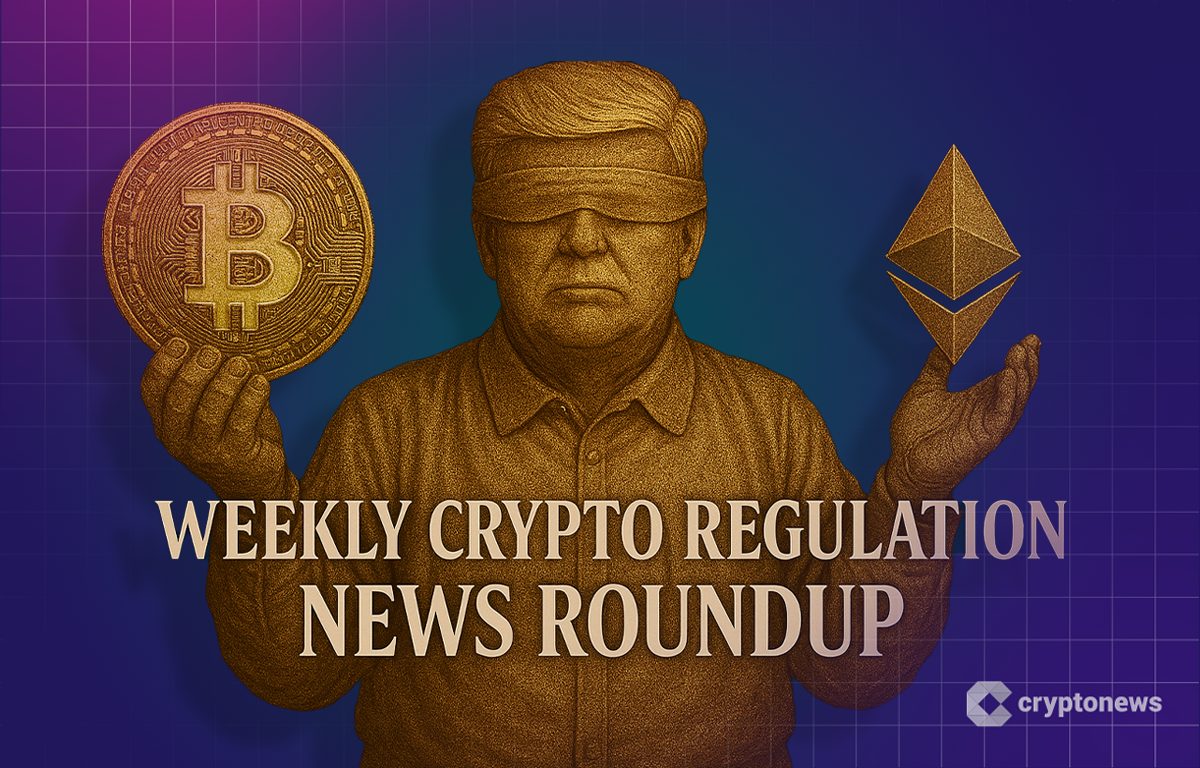
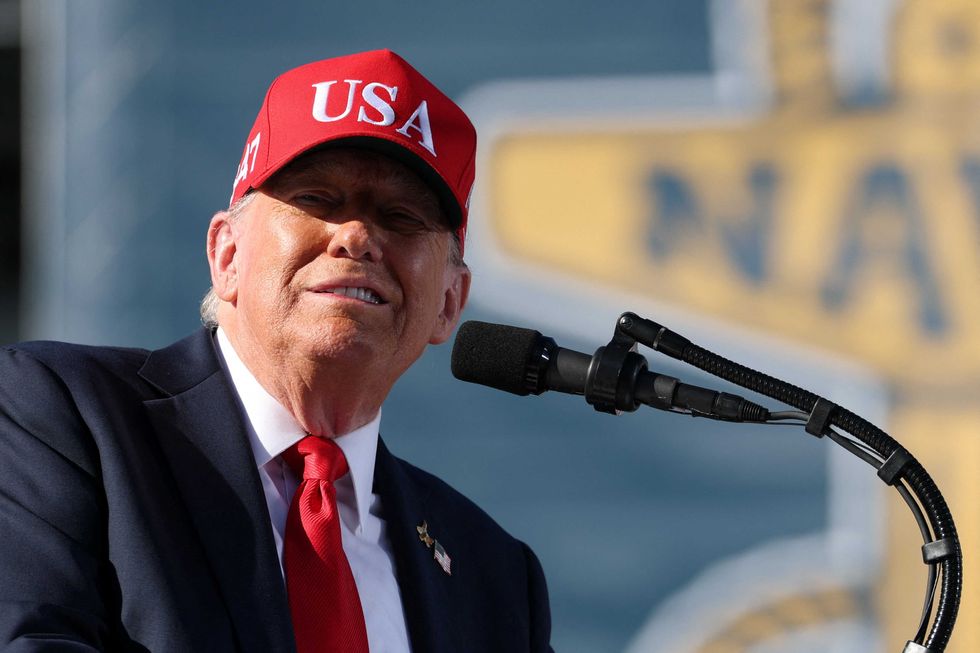
Weekly Crypto Regulation Roundup: Trump Media’s Bitcoin ETF and SEC Clarity Push

Weekly Crypto Regulation Roundup: Trump Media’s Bitcoin ETF and SEC Clarity Push

The past week in U.S. crypto regulation has been anything but quiet. A flurry of political pressure, legislative proposals, policy shifts, and industry positioning has kept the sector’s stakeholders on their toes. From the halls of Congress to state legislatures to the SEC’s policy desk, these developments reveal just how fragmented and fast-moving America’s crypto policy environment remains. Elizabeth Warren Sounds Alarm on “Weak” Crypto Oversight U.S. Senator Elizabeth Warren has once again sharpened her rhetoric on crypto regulation, warning in an August 11 MSNBC interview that the current framework is so underdeveloped that it could “blow up” the American economy. Warren argued that the patchwork of rules—and in some cases, their absence—leaves the financial system exposed to corruption risks, particularly involving high-profile political figures such as President Trump. 🗣️ @SenWarren warns current crypto framework could 'blow up' US economy while blasting GENIUS ACT and Trump's crypto business ventures as corruption risks. #Crypto #Regulation #US https://t.co/A1pgs3P8tA — Cryptonews.com (@cryptonews) August 11, 2025 She accused the industry of wielding outsized influence over legislation through lobbying, undermining consumer protection and financial stability. “Strong cryptocurrency regulation is essential, not industry-favorable legislation that endangers our economic stability,” Warren said. Her comments reinforce her position as one of Capitol Hill’s most vocal crypto skeptics and indicate that, in an election season, the political battle over digital assets will remain highly charged. Trump Media’s Spot Bitcoin ETF Pushes Forward Trump Media, the parent company of Truth Social, is pressing ahead with its ambitions to launch a spot Bitcoin ETF. This week, the firm filed an amended S-1 registration with the SEC, though conspicuously absent were key details such as the fund’s fee structure or ticker symbol. Crypto.com has been tapped as both the custodian and liquidity provider, while Yorkville America Digital will serve as the sponsor. 🏦 Trump Media has filed an amendment to the S-1 registration with the SEC for its Bitcoin ETF, where https://t.co/U4D4dECttR will act as BTC custodian and liquidity provider. #TrumpMedia #BitcoinETF #Crypto .com https://t.co/Q8YIFbwjCN — Cryptonews.com (@cryptonews) August 12, 2025 Bloomberg Intelligence’s Eric Balchunas noted that the ETF may face an uphill battle to stand out in a crowded market already dominated by earlier entrants. If approved, the ETF would directly hold Bitcoin and track its price performance, with shares expected to trade on NYSE Arca. For Trump Media, the move positions the brand squarely at the intersection of politics, finance, and crypto, though SEC approval is far from guaranteed. Wisconsin Lawmakers Target Bitcoin ATMs At the state level, Wisconsin legislators are ramping up efforts to tighten oversight of cryptocurrency kiosks. Senate Bill 386, introduced on Monday, mirrors an Assembly bill filed just weeks earlier. Both aim to address fraud tied to the state’s 582 Bitcoin ATMs, which are often located in convenience stores and gas stations. 🏧 Wisconsin legislators are making a renewed push to rein in crypto kiosks, filing a second bill aimed at curbing fraud tied to the machines. #ATMs #Crypto https://t.co/8TL92NeKIr — Cryptonews.com (@cryptonews) August 12, 2025 Lawmakers point to $247 million in fraud losses as a compelling reason to act, framing these machines as a weak link in consumer protection. The proposed rules could introduce stricter licensing, compliance, and reporting requirements for kiosk operators, potentially curbing access but also tightening controls against abuse. SEC Shifts Focus to Policy After Ripple Case Ends In a shift, the U.S. Securities and Exchange Commission appears ready to move from courtroom battles to policymaking. Commissioner Hester Peirce announced via X that the SEC’s case against Ripple has officially concluded. She called it a “welcome development” that frees up bandwidth for building a “clear regulatory framework for crypto.” ⚖️ The SEC will focus on creating a clear crypto regulatory framework after dismissing its case against Ripple, regulator Hester Peirce says. #SEC #Ripple https://t.co/wJNt21xQzs — Cryptonews.com (@cryptonews) August 12, 2025 SEC Chair Paul Atkins backed Peirce’s remarks, urging the agency to prioritize crafting explicit, innovation-friendly rules. “With this chapter closed, we now have an opportunity to shift our energy from the courtroom to the policy drafting table,” Atkins said. While the agency has faced criticism for its enforcement-heavy approach, this shift could indicate a recognition that prolonged litigation has done little to settle core regulatory questions. Banking Groups Warn of Stablecoin Yield Loophole Major U.S. banking associations are pressing Congress to close what they see as a dangerous gap in the GENIUS Act’s stablecoin provisions. In a letter this week, the Bank Policy Institute, alongside groups including the American Bankers Association and the Financial Services Forum, warned that current language could allow issuers to pay yield indirectly through affiliated platforms. ⚠️ US banks have warned that a gap in the GENIUS Act could allow stablecoin issuers to skirt restrictions on paying yield to holders. #Stablecoin #Crypto https://t.co/N7lSngpPof — Cryptonews.com (@cryptonews) August 13, 2025 They argued that without a fix, this “loophole” undermines the law’s intent to prevent stablecoin products from functioning like interest-bearing bank accounts without equivalent safeguards. The push shows the tension between traditional finance and emerging digital asset models and the intense lobbying around the fine print of new laws. Treasury Clarifies Strategic Bitcoin Reserve Plans U.S. Treasury Secretary Scott Bessent created a stir earlier this week when he appeared to rule out Bitcoin purchases for the country’s Strategic Bitcoin Reserve. By Thursday, he clarified the policy: the reserve will not buy coins outright but will instead be built from confiscated Bitcoin, which the government will stop selling. 🇺🇸 Treasury Sec. @SecScottBessent walked back his no-buy stance, saying the US Bitcoin reserve will grow through seized coins and neutral spending. #BTC #ScottBessent https://t.co/6Wh6Uqt8GL — Cryptonews.com (@cryptonews) August 15, 2025 Bessent told Fox News that the current reserve—valued between $15 billion and $20 billion—would be maintained and expanded under this approach. Later, in an X post, he reiterated that forfeited Bitcoin will serve as the foundation for the reserve, established under President Trump’s March executive order. The clarification leaves some uncertainty about the program’s long-term scope but reinforces that the U.S. will hold—rather than liquidate—seized digital assets. The Takeaway This week’s developments demonstrate the multi-layered nature of U.S. crypto regulation. Federal lawmakers are sharpening political narratives, state legislatures are targeting specific risk points like Bitcoin ATMs, the SEC is hinting at a new phase of rulemaking, and industry stakeholders are jockeying to shape the fine print of stablecoin and ETF frameworks. The crypto regulation environment remains highly dynamic and, at times, unpredictable. But taken together, these stories suggest a slow but steady shift toward more codified rules, even as political posturing and policy gaps continue to generate uncertainty.

Author: CryptoNews
Coinbase Predicts ‘Full-Scale’ Altcoin Season As Bitcoin Dominance Falls Below 60%

Coinbase Predicts ‘Full-Scale’ Altcoin Season As Bitcoin Dominance Falls Below 60%

Coinbase says the crypto market may be on the verge of a ‘’full-scale’’ altcoin season as Bitcoin dominance dips below 60%, signaling early rotation into altcoins. Rising expectations that the

Author: Insidebitcoins
Strip, Circle, and Tether have successively launched dedicated chains. What impact will this have on Ethereum and L2?

Strip, Circle, and Tether have successively launched dedicated chains. What impact will this have on Ethereum and L2?

Regarding Stripe, Circle, and Tether’s successive launches of dedicated blockchains, I would like to offer two perspectives: 1) Impact on Ethereum Layer 2: Layer 2s are all working hard to

Author: PANews
Coinbase's latest monthly outlook: Liquidity returns in autumn, and the altcoin season is about to explode

Coinbase's latest monthly outlook: Liquidity returns in autumn, and the altcoin season is about to explode

By David Duong , Coinbase Compiled by Tim, PANews Article Overview Coinbase maintains a positive outlook for the third quarter of 2025, but its view on alt season has shifted.

Author: PANews